
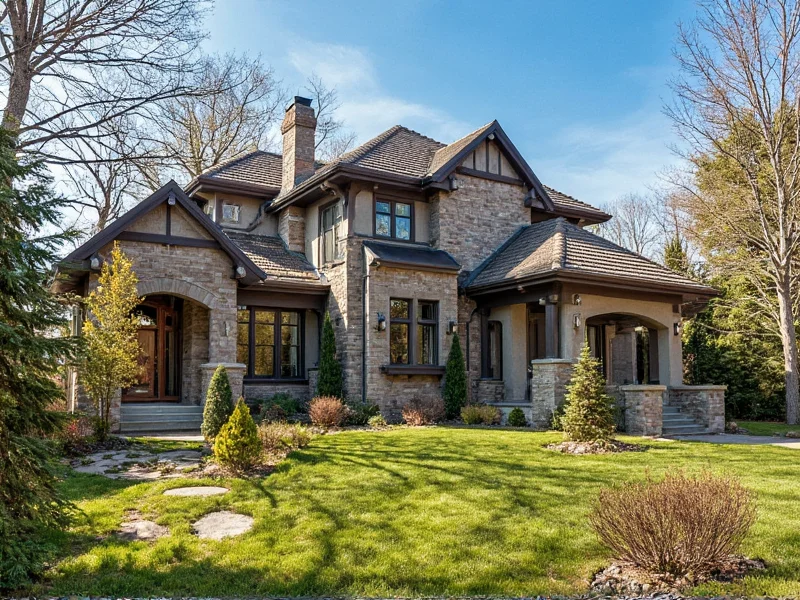
Transform your home with authentic Arts and Crafts style using these 7 practical principles: prioritize natural materials like oak and stone, embrace handcrafted details, implement built-in cabinetry, choose earthy color palettes, integrate nature-inspired motifs, optimize functional layouts, and support local artisans. This guide delivers room-specific implementation strategies and beginner-friendly DIY projects to achieve genuine Craftsman aesthetics without historical inaccuracies.
What Defines Authentic Arts and Crafts Home Design?
Forget modern "craftsman-style" imitations. The true Arts and Crafts movement (1880-1920) rebelled against industrialization by championing handcrafted integrity and democratic design. Your home becomes a sanctuary when you implement these non-negotiable elements:
Core Principles Checklist
- Natural Material Hierarchy: Oak > Pine > Maple (never plastic laminates)
- Visible Craftsmanship: Exposed joinery, hand-forged hardware
- Functional Geometry: Rectilinear forms with subtle organic curves
- Integrated Nature: Stained glass with botanical motifs, stone foundations
- Light Optimization: Multi-pane windows, strategically placed skylights
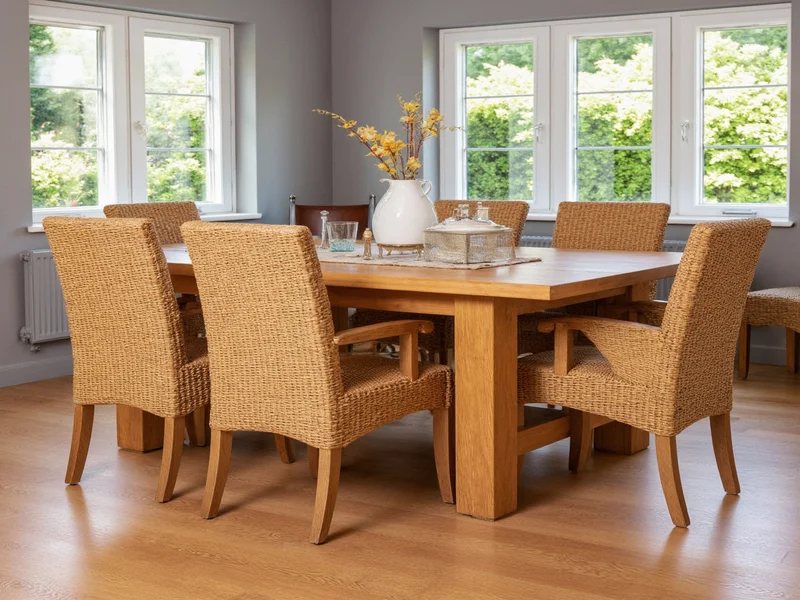
Room-by-Room Implementation Guide
Apply these targeted strategies to avoid the "museum replica" trap while maintaining historical accuracy:
Living Spaces: The Heart of Craftsmanship
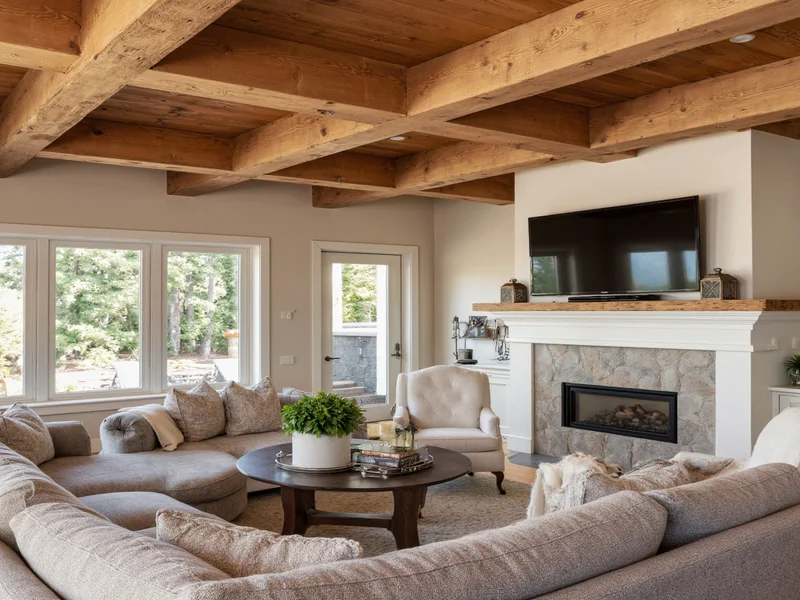
Focus on built-in cabinetry rather than freestanding furniture. Install "Inglenook" nooks with leaded glass windows flanking fireplaces. Use actual hand-woven textiles—not machine-printed imitations—for upholstery. Critical mistake to avoid: Overusing Mission-style furniture. Authentic spaces blend 60% built-ins with 40% freestanding pieces.
Kitchens: Where Function Meets Beauty
Ditch upper cabinets for open shelving supported by hand-forged brackets. Install a "work table" island (minimum 36" depth) with butcher block top. Use copper sinks with visible rivets—not seamless modern versions. For lighting, choose hand-blown glass pendants with mica shades at 30" above counters.
| Room | Authentic Feature | Modern Adaptation | Budget Hack |
|---|---|---|---|
| Bedroom | Wainscoting to chair rail height | Reclaimed wood planks | Painted beadboard panels |
| Bathroom | Tiled shower surrounds | Handmade zellige tiles | Subway tiles with handmade grout |
| Entryway | Leaded glass transom | Frosted glass with wood dividers | Etched film on existing glass |
Beginner DIY Projects That Capture the Spirit
These accessible projects build foundational skills while delivering authentic impact:
Project 1: Hand-Forged Towel Bar
Materials: 1" square steel rod, blacksmith's anvil (or vice), forge (propane burner works). Process: Heat rod to 1800°F, hammer tapered ends, twist center section. Finish with beeswax. Takes 90 minutes. Why it works: Visible hammer marks prove handcrafted origin—machine-made versions lack these imperfections.

Project 2: Nature-Inspired Stenciled Walls
Create organic patterns using actual leaves. Press oak or maple leaves between cardboard, cut out shapes, then apply with mineral paint. Key technique: Layer colors by stenciling 3x with progressively darker shades. Avoid symmetrical repeats—authentic designs follow nature's randomness.
Avoiding Costly Historical Mistakes
Most "Arts and Crafts" homes fail these critical tests:
- The Color Trap: Using beige instead of true earth tones (burnt umber, ochre, forest green)
- Hardware Heresy: Installing machine-turned knobs instead of hand-forged pulls
- Window Woes: Single-pane divided lights > double-hung vinyl replacements
- Material Fraud: MDF "wood" beams painted to look like oak
Pro tip: Run the "fist test" on wood surfaces. If you can't feel subtle grain variations, it's not authentic.
Your Next Steps Toward Authenticity
Start with one room using reclaimed materials. Visit local salvage yards for original fixtures—look for maker's stamps like "Gustav Stickley" or "Roycroft". Document your progress with before/after photos focusing on material textures. Remember: True Arts and Crafts style isn't about perfection, but the visible human touch in every detail. Your home becomes a living manifesto against mass production.
Frequently Asked Questions
Can I achieve Arts and Crafts style in a modern apartment?
Yes—focus on portable elements: handwoven textiles, mission-style furniture rentals, stenciled walls with removable paint, and reclaimed wood floating shelves. Prioritize material authenticity over structural changes.
What's the biggest budget mistake beginners make?
Buying machine-made "Craftsman replicas". Invest in one authentic hand-forged piece (like a towel bar) instead of ten mass-produced items. Authenticity comes from visible craftsmanship, not quantity.
How do I find genuine Arts and Crafts artisans today?
Search for "contemporary Arts and Crafts guild" + your region. Reputable artisans showcase maker's marks, use traditional techniques, and provide process documentation—not just finished products.
Are open floor plans compatible with this style?
Not authentically. Original designs used "Inglenook" nooks and built-in cabinetry to define spaces. Modern adaptations can use reclaimed wood screens or strategic furniture placement to create zones without walls.





 浙公网安备
33010002000092号
浙公网安备
33010002000092号 浙B2-20120091-4