
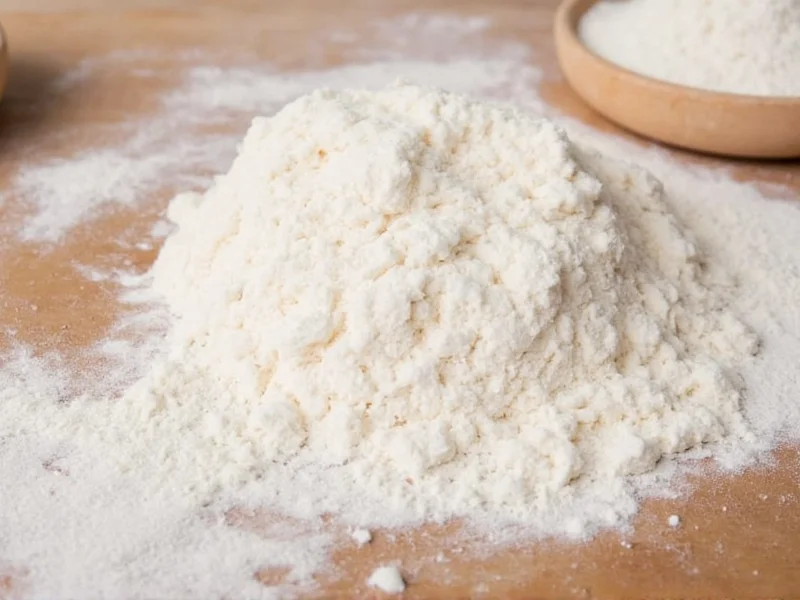
You can make DIY self rising flour in 2 minutes using just 1 cup all-purpose flour, 1½ teaspoons baking powder, and ¼ teaspoon salt. This pantry-staple substitute works perfectly for biscuits, cakes, and scones when store-bought self rising flour isn't available.
Why Make Your Own Self Rising Flour?
Running out of self rising flour shouldn't derail your baking plans. Commercial versions contain precisely measured leavening agents, but homemade alternatives give you control over ingredients and freshness. Unlike store-bought options that may contain anti-caking agents or stale baking powder, DIY batches ensure maximum lift in your baked goods. Plus, you'll always have this essential baking component ready using common pantry staples.
What You'll Need: Simple Pantry Staples
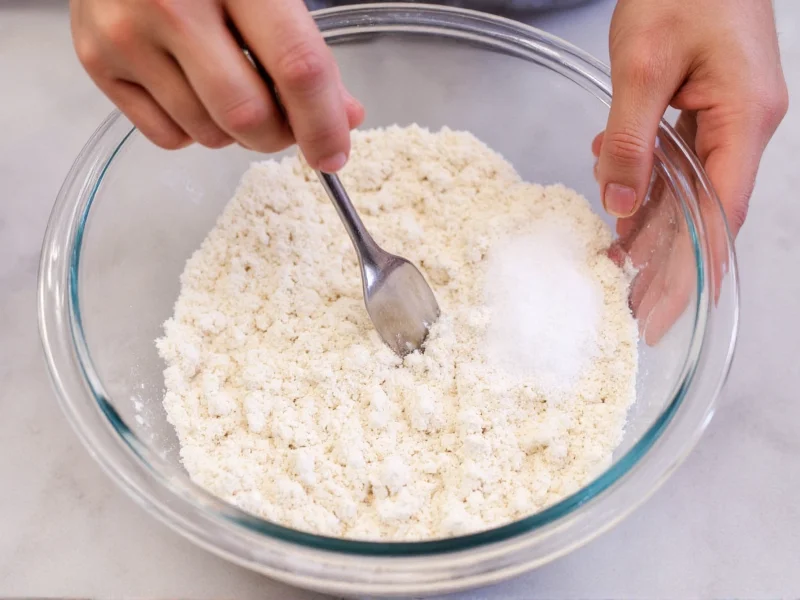
No special equipment required—just measure accurately. Here's your complete ingredient list:
| Ingredient | Per 1 Cup Batch | Per Recipe Batch |
|---|---|---|
| All-purpose flour | 1 cup (120g) | 2½ cups (300g) |
| Baking powder | 1½ tsp | 3¾ tsp |
| Salt | ¼ tsp | ½ tsp |
Step-by-Step: Creating Perfect DIY Self Rising Flour
Follow these precision-focused steps for foolproof results every time:
Step 1: Measure Accurately
Use a kitchen scale for best results (120g flour per cup). If measuring by volume, spoon flour into your cup and level—don't scoop directly from the bag. Incorrect flour measurement causes dense baked goods.
Step 2: Whisk Thoroughly
Combine ingredients in a medium bowl. Whisk for 60 seconds to distribute baking powder evenly. Pro tip: Sift mixture twice if baking powder shows clumps—this prevents bitter pockets in your finished product.
Step 3: Test Freshness (Critical!)
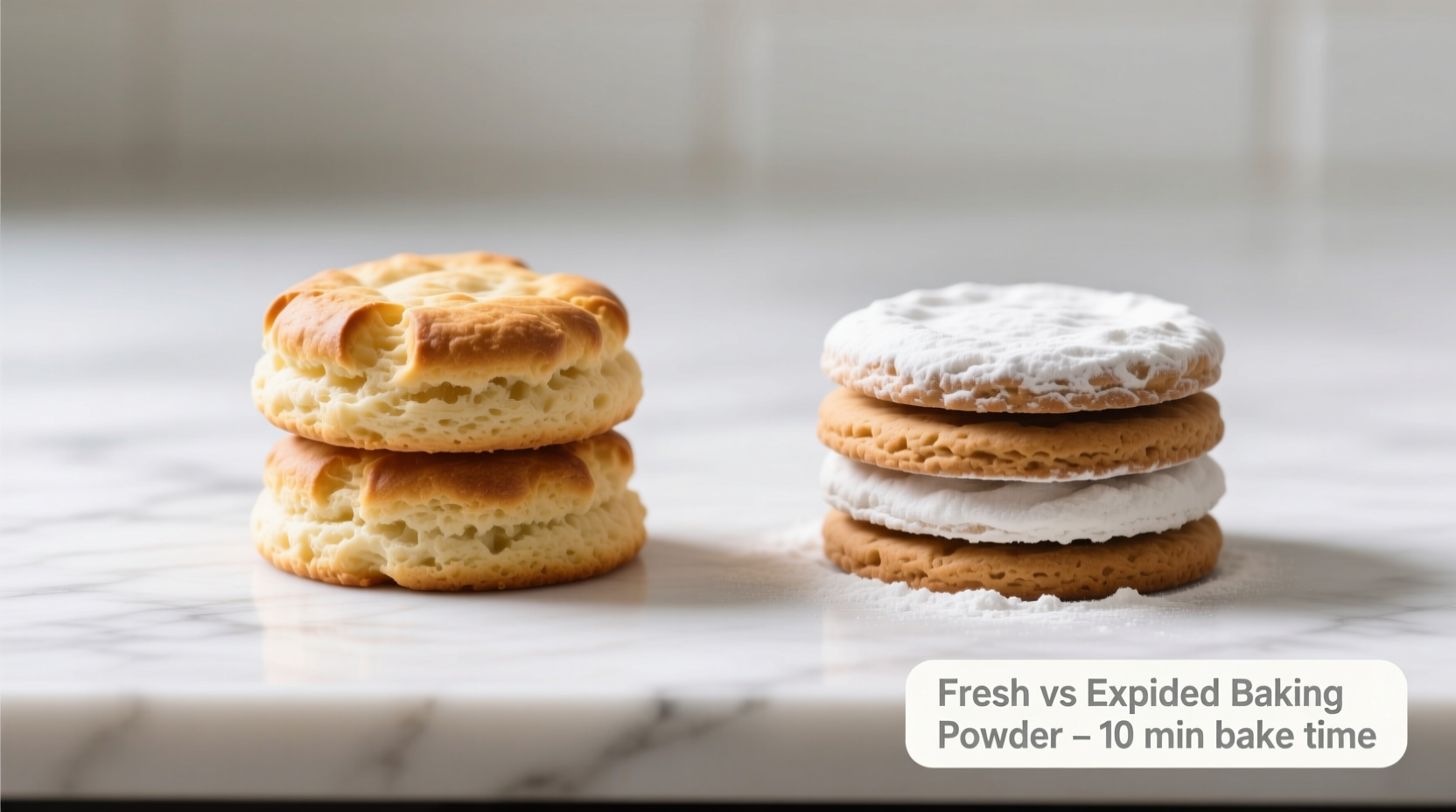
Drop ¼ tsp baking powder into ½ cup hot water. If it bubbles vigorously within 15 seconds, it's active. Expired baking powder creates flat baked goods—never skip this test.
Storage Secrets for Maximum Shelf Life
Homemade self rising flour loses potency faster than commercial versions. Follow these storage guidelines:
- ✔️ Immediate use: Best used within 2 hours of mixing for optimal rise
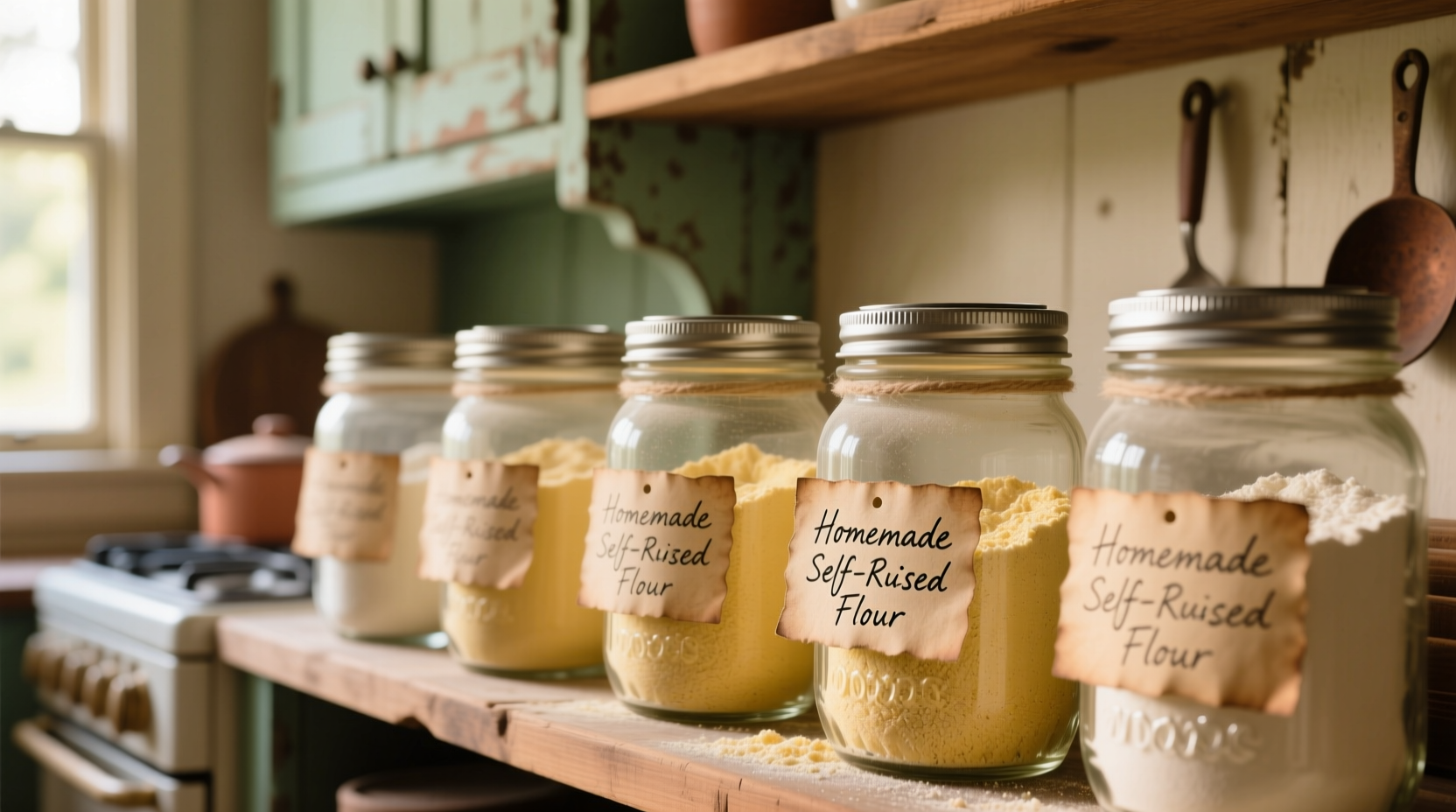
- ✔️ Short-term: Store in airtight container at room temperature for up to 2 weeks
- ✔️ Long-term: Freeze in vacuum-sealed bag for 6 months (thaw completely before use)
- ❌ Avoid: Refrigeration (causes moisture absorption and clumping)
Using Your DIY Blend: Pro Tips & Substitutions
Replace commercial self rising flour 1:1 in recipes, but adjust for these common scenarios:
When Your Recipe Includes Additional Leavening
If your recipe calls for extra baking powder/soda (e.g., some cake recipes), reduce added leavening by 25% to prevent over-rising and collapse.
No Salt Variations
For sensitive diets or sweet recipes, omit salt and add 1 extra teaspoon baking powder per cup. Warning: This slightly accelerates staling—use within 48 hours.
Gluten-Free Adaptation
Substitute 1:1 with gluten-free all-purpose blend, but add 1 teaspoon xanthan gum per cup to mimic gluten's structure. Test with small batches first.
Avoid These 3 Costly Mistakes
Even experienced bakers stumble with these pitfalls:
- Measuring flour by scooping – Compresses flour, adding 20% extra. Always spoon and level.
- Using double-acting baking powder past expiration – Loses 50%+ potency after 6 months.
- Storing near heat sources – Oven proximity degrades baking powder 3x faster.
When to Skip DIY: Critical Exceptions
While versatile, homemade versions aren't universal replacements. Use commercial self rising flour when:
- Baking at high altitudes (above 3,500 ft) – Requires specialized ratios
- Making delicate pastries like popovers or Yorkshire pudding
- Following historic recipes where precise commercial formulations matter
Frequently Asked Questions
Can I make self rising flour without baking powder?
No reliable substitutes exist. Baking powder's dual-action (heat + moisture activation) is irreplaceable. Using baking soda requires acidic ingredients and alters flavor significantly.
Why does my DIY self rising flour make baked goods taste bitter?
This indicates expired baking powder. Test freshness by mixing ¼ tsp with hot water—vigorous bubbling within 15 seconds confirms activity. Replace if inactive.
How much baking powder is actually in commercial self rising flour?
Standard formulations contain 1.5 teaspoons per cup of flour plus ¼ teaspoon salt. Our DIY ratio matches major brands like King Arthur and Pillsbury.
Can I use this for bread recipes?
Avoid using self rising flour in yeast breads. The added salt and baking powder interfere with yeast fermentation, resulting in dense texture and off-flavors.





 浙公网安备
33010002000092号
浙公网安备
33010002000092号 浙B2-20120091-4