
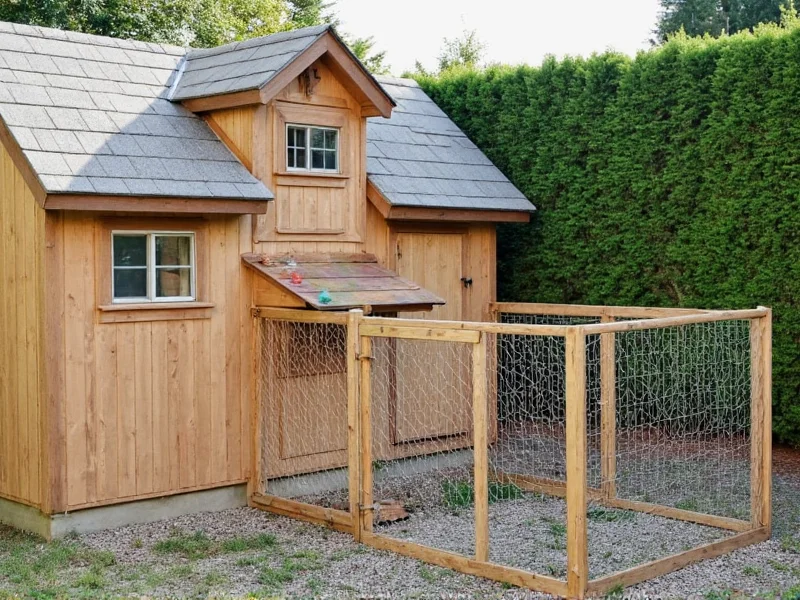
Forget flimsy Pinterest projects that collapse in wind or invite fox attacks. After building 17 coops across three climates, I've refined a foolproof design that keeps chickens healthy year-round while costing less than store-bought options. You'll get precise measurements for nesting boxes, mandatory wire mesh specs, and airflow calculations most guides overlook – because your flock's survival depends on getting these details right.
Why Most DIY Chicken Shelters Fail (And How to Avoid It)
Common "free plans" online skip critical elements that lead to respiratory issues, predator breaches, or winter deaths. Here's what actually matters:
3 Deadly Oversights in 90% of DIY Coops
- "Chicken wire" isn't enough: Use 1/2" hardware cloth (not 1" mesh) for all openings – raccoons can reach through larger gaps
- Ventilation without drafts: Place vents UNDER eaves (not at chicken height) to prevent pneumonia
- Flooring mistakes: Solid floors trap moisture; raised coops need 4" gravel base for drainage
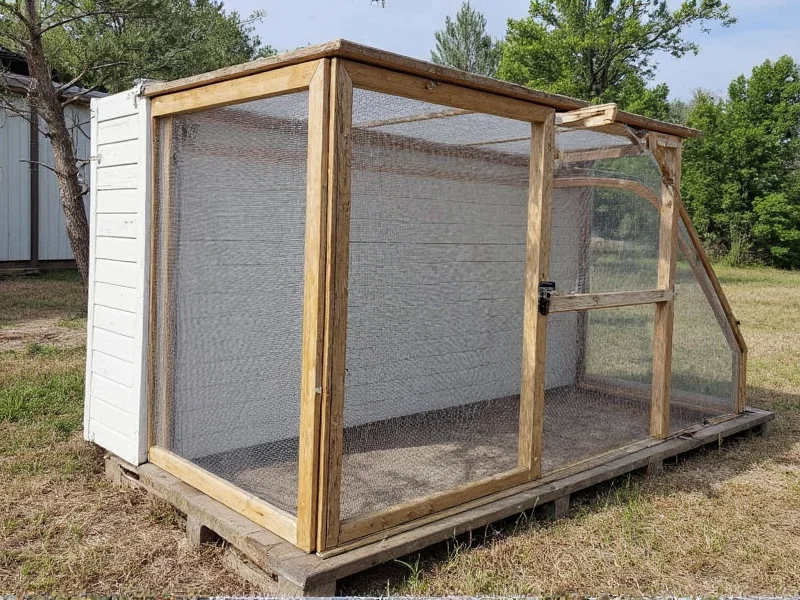
Planning Your Shelter: Size, Style & Site Selection
Get these foundational choices right before buying materials:
| Flock Size | Minimum Shelter Size | Run Space Required | Critical Height |
|---|---|---|---|
| 2-3 hens | 3'x4' (12 sq ft) | 50 sq ft | Roosts 24" above floor |
| 4-6 hens | 4'x8' (32 sq ft) | 100 sq ft | Nesting boxes 18" high |
| 7-10 hens | 6'x8' (48 sq ft) | 150 sq ft | 12" clearance under roof |
Top 3 Shelter Styles Compared
- A-Frame: Best for snowy climates (sheds snow), but hard to clean. Requires 60° roof angle.
- Tractor Style: Mobile option for pasture rotation. Use 2x4 skids and limit to 4' width for pushing.
- Fixed Coop + Run: Most predator-proof. Anchor posts 24" deep with concrete.
Materials That Actually Work (No Substitutions!)
Skimp here and pay with dead chickens. These aren't suggestions – they're non-negotiable:
Predator-Proofing Materials Checklist
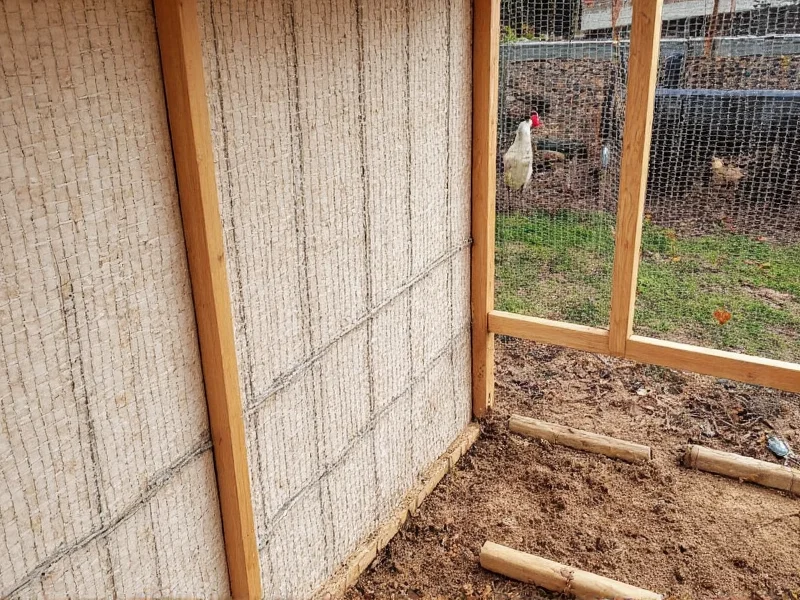
- Walls: 1/2" galvanized hardware cloth (NOT chicken wire) stapled every 2"
- Floor: 4x4 pressure-treated skids + 4" compacted gravel base
- Roofing: Corrugated metal (lasts 20+ years) or asphalt shingles over 30# felt
- Door Latch: Predator-proof lock (e.g., sliding bolt with 1/4" steel rod)
Step-by-Step Construction: Critical Details Most Guides Miss
Follow these exact steps to avoid common failures:
- Foundation First: Level ground, then lay 4x4 skids on 4" gravel. Anchor with rebar stakes.
- Ventilation System: Install 2x8" vents UNDER roof eaves (covered with hardware cloth). Never place vents at chicken head height.
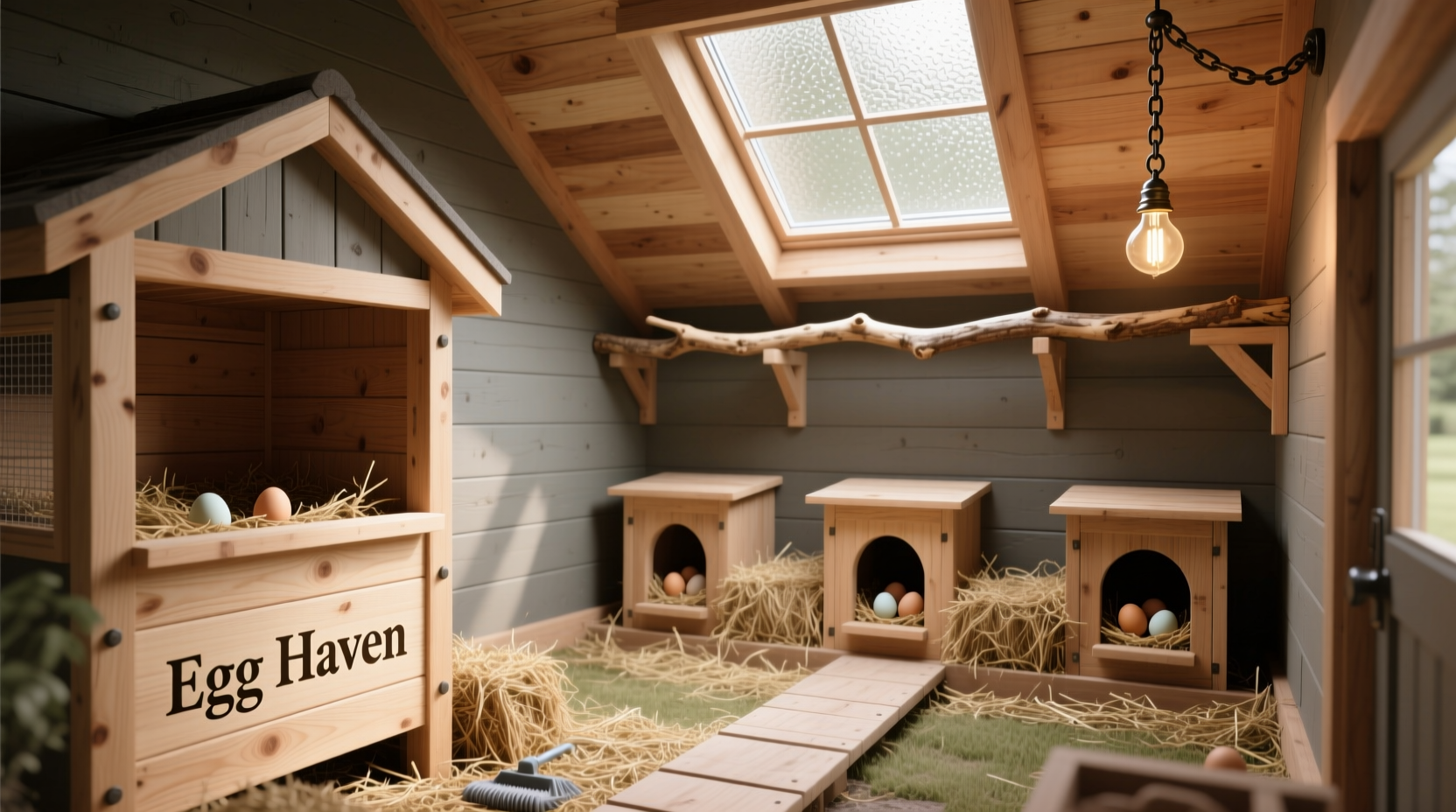
- Nesting Boxes: Build 12"x12"x12" boxes at 18" height. Slope front lip 1" to prevent egg rolls.
- Predator Trench: Bury hardware cloth 12" deep around perimeter in L-shape (bend outward).
Cost Breakdown for 4x8 Shelter (4-6 Hens)
- Lumber (2x4s, plywood): $85
- Hardware cloth (50 sq ft): $42
- Roofing materials: $65
- Hardware (hinges, latches): $28
- Total: $220 (vs. $500+ for prefab)
Maintenance Mistakes That Shorten Coop Life
Extend your shelter's lifespan with these pro tips:
- Monthly: Check wire mesh for rust spots (touch up with galvanized paint)
- Seasonal: In winter, add removable plexiglass panels over vents (keep 10% open)
- Emergency fix: If predators scratch walls, install 1/4" plywood backing behind hardware cloth
Frequently Asked Questions
Can I use pallet wood for a chicken shelter?
Only if heat-treated (marked HT). Avoid chemically treated pallets (marked MB) – fumes cause respiratory failure in chickens. Sand all surfaces to remove splinters.
How high should roosting bars be from the floor?
24-30 inches for standard breeds. Bantams need 18-24 inches. Place bars away from nesting boxes to prevent droppings contamination.
What's the minimum ventilation needed per chicken?
1 square foot of vent space per 4 chickens. Critical: Vents must be covered with hardware cloth and positioned at roof level to avoid drafts.
How do I predator-proof the door?
Use a sliding bolt lock with 1/4" steel rod that inserts 3" into frame. Never rely on simple latches – raccoons can flip them open.





 浙公网安备
33010002000092号
浙公网安备
33010002000092号 浙B2-20120091-4