
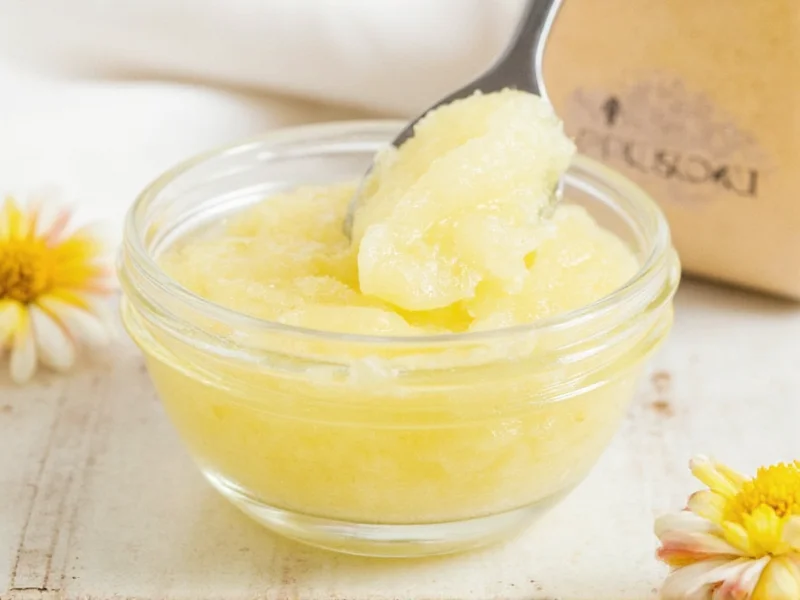
Why Your Scalp Needs Regular Exfoliation (Beyond Just Dandruff)
Most people overlook their scalp as just "hair foundation," but it's living skin requiring the same care as your face. Daily product residue, environmental pollutants, and natural oil production create a suffocating layer that blocks follicles. This buildup causes more than visible flakes—it starves hair roots, leading to thinning strands and slower growth. Unlike commercial scrubs packed with sulfates, a natural DIY scalp scrub provides gentle mechanical exfoliation while delivering targeted nutrients. The key difference? You control every ingredient, avoiding harsh chemicals that strip natural oils.
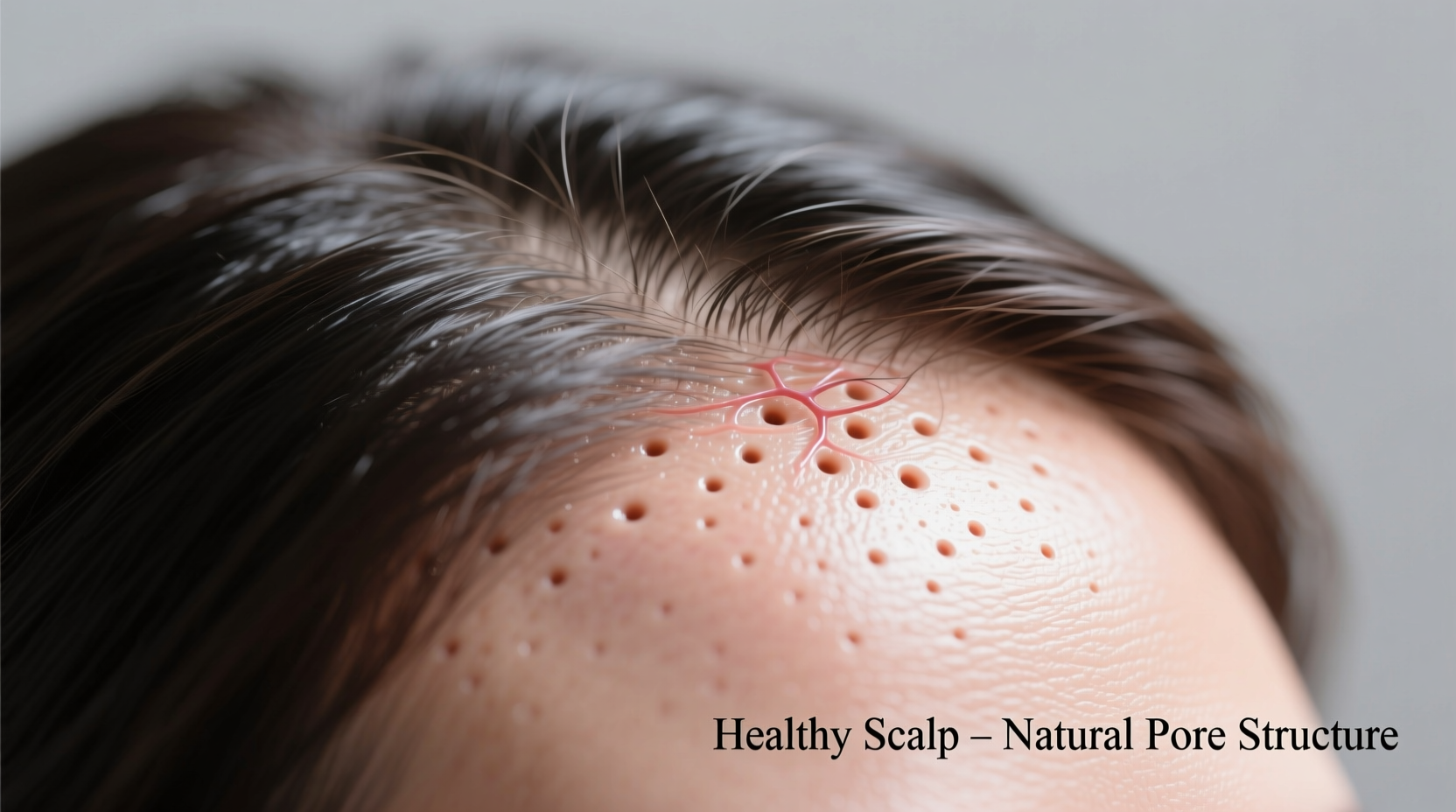
The Science Behind Effective Scalp Exfoliation
Successful homemade scalp exfoliator formulas balance three critical elements:
- Physical exfoliants: Sugar dissolves gently in moisture, salt provides stronger abrasion (ideal for oily scalps), coffee grounds stimulate circulation
- Carrier oils: Jojoba mimics scalp sebum, coconut deeply moisturizes, tea tree adds antifungal properties
- pH balancers: Apple cider vinegar rinses restore optimal 5.5 pH after exfoliation
Crucially, particle size matters. Fine sugar works for sensitive scalps, while coarse sea salt should only be used on thick, resilient skin. Never use ground nuts or shells—they create jagged edges that cause micro-tears.
| Scalp Type | Best Exfoliant | Key Additive | Frequency |
|---|---|---|---|
| Dry/Flaky | Fine brown sugar | Honey + olive oil | Once every 10 days |
| Oily/Dandruff | Coffee grounds | Tea tree essential oil | Weekly |
| Sensitive/Irritated | Oatmeal paste | Aloe vera gel | Bi-weekly |
3 Proven DIY Scalp Scrub Formulas (Tested for Safety)
Gentle Brown Sugar Scrub for Sensitive Scalps
Ideal for beginners or reactive skin. Brown sugar's glycolic acid content provides mild chemical exfoliation alongside physical action.
- 2 tbsp fine brown sugar
- 1 tbsp jojoba oil
- 5 drops lavender essential oil
- 1 tsp aloe vera gel
- Mix sugar and jojoba oil until paste forms
- Stir in lavender and aloe
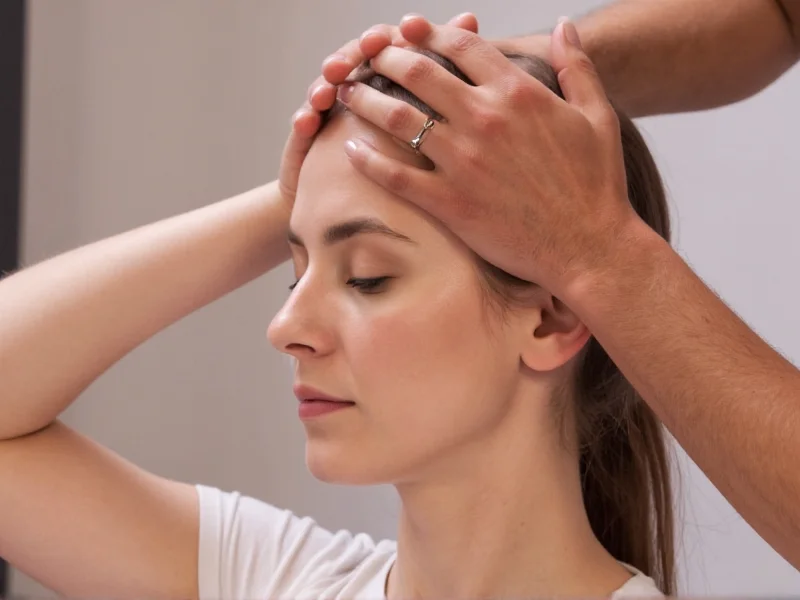
- Apply to damp scalp using fingertips (not nails)
- Massage in circular motions for 3 minutes
- Rinse thoroughly before shampooing

Coffee Energizing Scrub for Oily Scalps
Caffeine constricts blood vessels to reduce inflammation while physically removing sebum. The coarse texture requires careful application.
- 1 tbsp used coffee grounds (cooled)
- 1 tbsp coconut oil (melted)
- 5 drops rosemary essential oil
- 1 tsp bentonite clay
- Combine coffee grounds and clay
- Slowly add coconut oil to form gritty paste
- Section hair to access scalp directly
- Massage gently for 2 minutes maximum
- Rinse with cool water to close follicles
Application Secrets Professionals Won't Share
Most DIYers make these critical errors that cause irritation:
- Mistake: Applying to dry scalp → Solution: Always dampen first with water spray
- Mistake: Scrubbing too vigorously → Solution: Use feather-light pressure; let particles do the work
- Mistake: Skipping patch test → Solution: Test behind ear 24 hours prior
For maximum absorption, apply after steam exposure (shower or warm towel). Never use on broken skin or active infections. If stinging occurs, rinse immediately with diluted apple cider vinegar (1:4 ratio with water) to neutralize pH.
When DIY Isn't Enough: Warning Signs
While easy scalp exfoliation at home solves most buildup issues, consult a dermatologist if you experience:
- Persistent bleeding during exfoliation
- Yellow, crusty patches that won't flake
- Hair loss exceeding 100 strands daily
- No improvement after 4 consistent applications
These indicate possible psoriasis, seborrheic dermatitis, or fungal infections requiring medical treatment. A natural scalp scrub recipe complements but doesn't replace professional care for serious conditions.
Frequently Asked Questions
Can I use a DIY scalp scrub with color-treated hair?
Yes, but avoid salt-based scrubs which accelerate fading. Opt for sugar or oatmeal formulas, and wait 72 hours after coloring. Always follow with a vinegar rinse to seal cuticles.
How often should I apply a homemade scalp exfoliator?
Maximum once weekly for oily scalps, every 10-14 days for dry types. Over-exfoliation damages the skin barrier, causing rebound oiliness and inflammation. Start bi-weekly to assess tolerance.
What's the best carrier oil for dandruff-prone scalps?
Jojoba oil is ideal as it mimics natural sebum without clogging pores. Add 3 drops of tea tree oil per tablespoon for antifungal properties. Avoid coconut oil if you have Malassezia-related dandruff as it feeds the yeast.
Can I store leftover DIY scalp scrub?
Only oil-based scrubs last 3-5 days refrigerated in airtight containers. Water-containing formulas (with aloe or honey) spoil within 24 hours due to bacterial growth. Always make single-use batches for safety.





 浙公网安备
33010002000092号
浙公网安备
33010002000092号 浙B2-20120091-4