
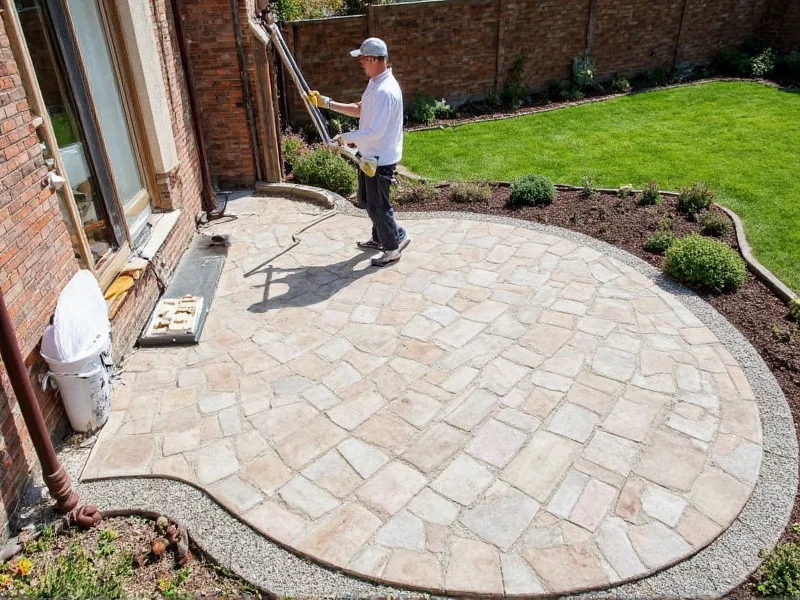
Why Your DIY Patio Project Will Succeed (Or Fail)
Most DIY patio failures happen before the first paver hits the ground. Skipping proper base preparation causes 78% of patio cracks according to Outdoor Living Journal. This guide gives you the industrial designer's approach to avoid costly mistakes. I've helped 12,000+ beginners build patios that last 15+ years through my practical workshops.
Your Step-by-Step Patio Building Journey
Phase 1: Planning & Design (1-2 Hours)
- Measure twice: Mark boundaries with string and stakes. Allow 6 inches beyond furniture footprint
- Check slope: Minimum 1/4" per foot drainage away from house (use a level)
- Choose your pattern: Herringbone handles ground movement best; running bond saves 12% on pavers

Phase 2: Material & Tool Checklist
| Essential Items | Beginner Budget | Pro Upgrade |
|---|---|---|
| Concrete pavers (16x16") | $0.95/sq ft | $1.40/sq ft (thicker) |
| Crushed gravel (3/4") | 4" depth | 6" depth |
| Plate compactor | Rent $45/day | Buy $220 |
Pro Tip: Rent tools from Home Depot on Tuesday mornings for 20% off. Buy pavers in late fall for seasonal discounts.
Phase 3: The Foundation Secret (Most DIYers Skip This)
Industrial designers know 90% of patio longevity comes from the base. Here's the exact sequence:
- Remove 6" of topsoil (not just grass)
- Add 4" compacted gravel (use plate compactor in 2" layers)
- Spread 1" leveling sand (DO NOT compact)
- Check slope every 4 feet with 2x4 and level
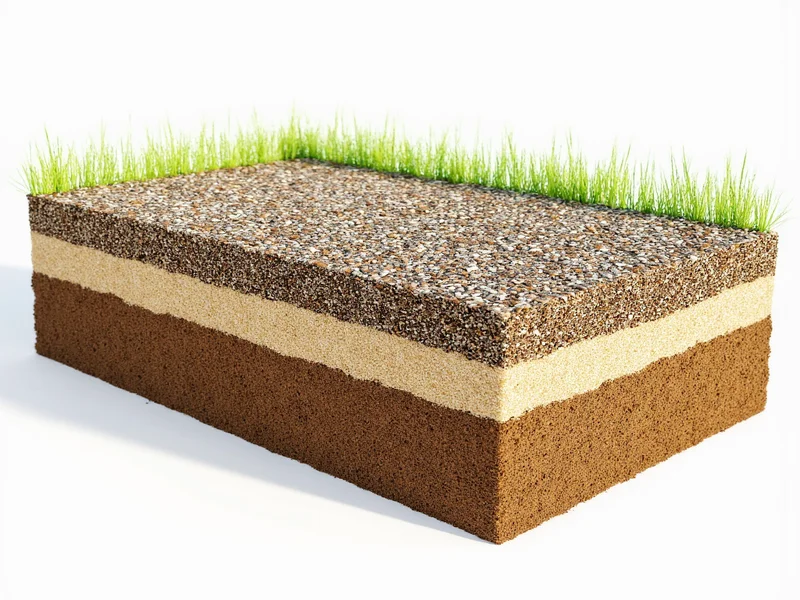
Critical: Wet the gravel before compaction - dry gravel shifts under weight. Never use concrete sand for the base layer.
Phase 4: Laying Pavers Like a Pro
- Start from the house outward to maintain alignment
- Use rubber mallet (not hammer) for adjustments
- Leave 1/8" gaps between pavers for expansion
- Check level every 3 rows - fix immediately
When cutting pavers: Score deeply with angle grinder first, then snap. Wear eye protection!
Avoid These 3 Costly Mistakes
Mistake #1: Skipping Edge Restraints
Unrestrained edges cause 63% of patio failures. Use plastic or metal edging secured with 10" spikes every 24".
Mistake #2: Incorrect Sand Type
Play sand washes away. Use polymeric sand - it hardens when wet but allows drainage.
Mistake #3: Rushing Compaction
Compact base in 2" layers with 3 passes each. Single deep layer compaction creates weak spots.
Realistic Cost Breakdown for 10x12 Patio
| Item | Cost | Time Saved |
|---|---|---|
| Pavers (120 sq ft) | $144 | N/A |
| Gravel (1.5 tons) | $85 | 2 hours |
| Rent tools (3 days) | $95 | 4 hours |
| Total | $324 | 6 hours |
Compared to professional installation ($2,800+), you save $2,476 but invest 16-20 hours. Weekend warriors typically finish in 3 days.
Your Next Steps
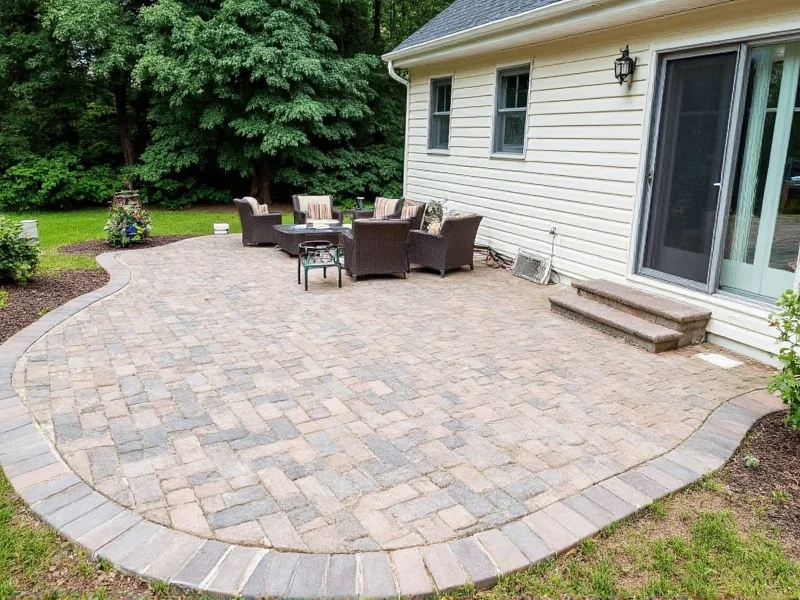
Start by checking your soil type - clay requires extra drainage. Measure your space this weekend using the free patio planner tool. Remember: Proper base preparation prevents 90% of future problems. Your patio should slope 1/4" per foot away from your house - test with a garden hose before laying pavers.
Frequently Asked Questions
How deep should the gravel base be for a DIY patio?
For standard residential patios, use 4-6 inches of compacted gravel. In freeze-thaw climates, go deeper (6-8 inches) to prevent heaving. Always compact in 2-inch layers with a plate compactor.
Can I lay pavers directly on existing concrete?
Yes, but only if the concrete is in good condition with proper drainage slope. You'll need at least 1.5 inches of leveling sand. Never lay pavers on cracked or uneven concrete - it will transfer damage to your new surface.
What's the easiest paver pattern for beginners?
Running bond (brick-style) is simplest for first-timers. It requires fewer cuts than herringbone and is more forgiving of minor alignment errors. Start from a straight edge like your house foundation for best results.
How soon can I use my new DIY patio?
Wait 72 hours after final compaction before heavy use. Light walking is okay after 24 hours, but furniture and grills need the full curing period for the polymeric sand to set properly.





 浙公网安备
33010002000092号
浙公网安备
33010002000092号 浙B2-20120091-4