

Homemade swinger clips are DIY electrical connectors used in stage and theater lighting setups that allow quick attachment of lighting fixtures to trusses or pipes. Creating them requires proper electrical knowledge, appropriate materials like copper wire, heat-shrink tubing, and insulated connectors, and strict adherence to safety standards to prevent electrical hazards. Never attempt homemade versions for permanent installations or high-power applications where certified commercial products are required.
Understanding Swinger Clips and Their Purpose
Swinger clips serve as specialized electrical connectors in theatrical and stage lighting environments. These components enable lighting technicians to quickly attach and detach lighting fixtures from overhead trusses or pipes during setup and teardown. While commercial swinger clips meet strict safety standards, some professionals explore homemade versions for temporary setups, budget constraints, or specific customization needs.
Before considering homemade alternatives, understand that electrical work involving stage lighting falls under YMYL (Your Money or Your Life) considerations. Mistakes can lead to fire hazards, equipment damage, or personal injury. This guide provides educational information only—always prioritize safety and compliance with local electrical codes.
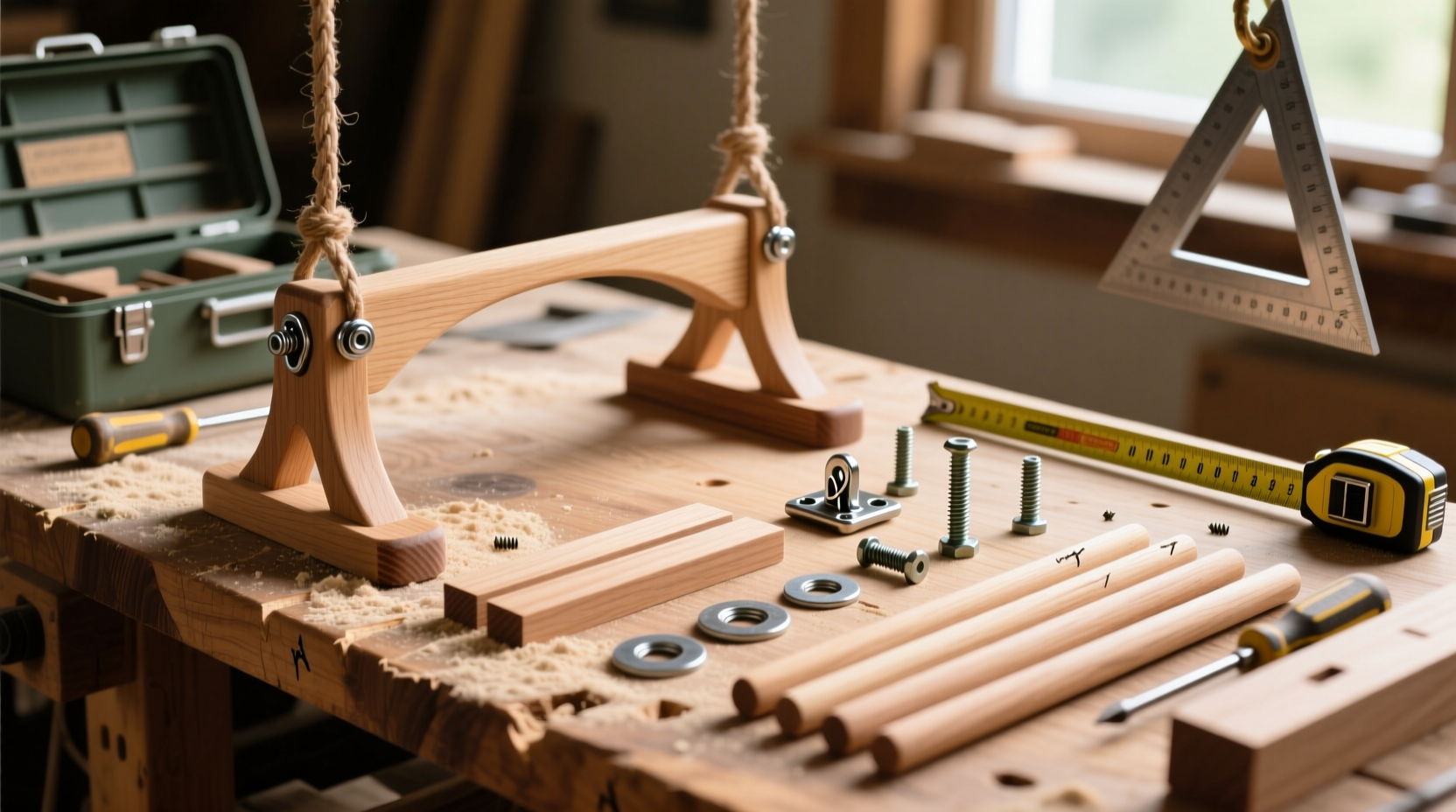
When Homemade Swinger Clips Make Sense (And When They Don't)
Appropriate Scenarios for Homemade Versions
- Temporary event setups with low-voltage lighting systems
- Personal practice or educational demonstrations
- Prototyping before purchasing commercial equivalents
- Budget-limited community theater productions
Situations Requiring Commercial Products Only
- Permanent installations
- High-power lighting systems (above 500W)
- Venues with strict electrical inspection requirements
- Any application where safety certification is mandated
Critical Safety Considerations
Electrical safety must be your primary concern when considering homemade swinger clips. The National Electrical Code (NEC) and local regulations exist for good reason—electrical failures in lighting systems cause approximately 15% of stage-related fires according to industry safety reports.
| Safety Factor | Minimum Requirement | Risk of Non-Compliance |
|---|---|---|
| Wire Gauge | 12 AWG for circuits up to 20A | Overheating, fire hazard |
| Insulation Rating | 600V minimum | Electrical arcing |
| Current Capacity | Matched to circuit breaker | Circuit overload |
| Environmental Protection | IP20 minimum for indoor use | Short circuits from debris |
Materials and Tools Checklist
Gathering the right components ensures your homemade swinger clips function safely and reliably. Never substitute critical electrical components with inappropriate materials.
Essential Components
- 12 AWG stranded copper wire (UL 1015 or equivalent)
- Heat-shrink tubing (3:1 ratio, 3/8" diameter)
- Insulated quick-connect terminals (red, 0.250")
- Spring steel clip (1/8" x 1" x 6")
- Electrical tape (vinyl, 0.5mm thickness)
- Strain relief grommets
Step-by-Step Construction Guide
Follow these steps precisely to create functional and relatively safe homemade swinger clips. Each step includes critical safety checkpoints.
- Prepare the Clip Base - Cut spring steel to 6" length, file edges smooth, and drill 1/4" mounting hole 1" from end. Safety Check: Wear eye protection during metal work
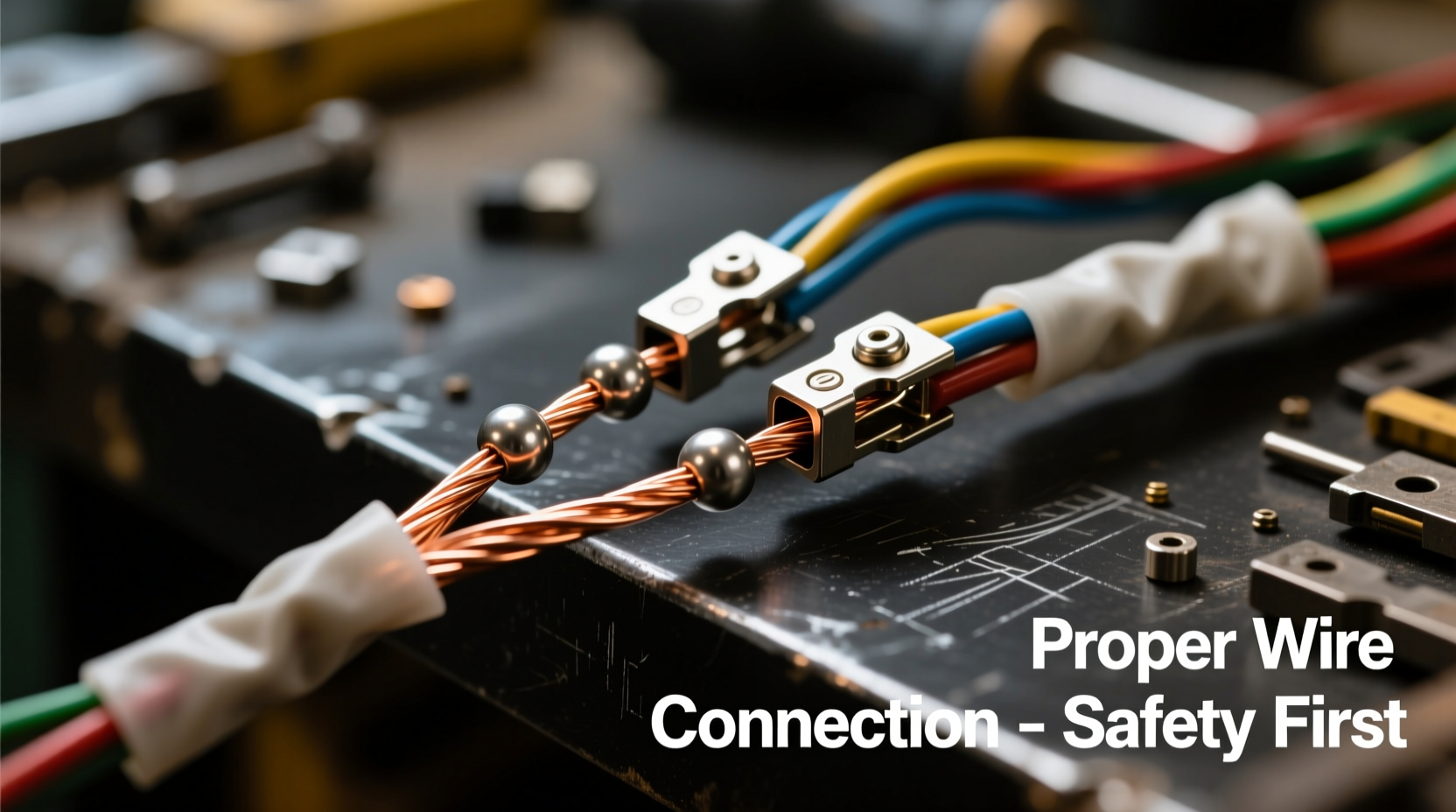
- Wire Preparation - Strip 3/4" insulation from 12" wire ends, tin with solder, and attach to quick-connect terminals. Safety Check: Verify no exposed copper beyond terminal
- Insulation Application - Slide heat-shrink tubing over connections, apply even heat until fully contracted. Safety Check: No gaps or thin spots in insulation
- Assembly - Secure wires to clip base using strain relief grommets and stainless steel screws. Safety Check: No wire movement when gently tugged
- Final Testing - Perform continuity test and insulation resistance check before use. Safety Check: Minimum 10MΩ resistance between conductors
Quality Verification Process
Before using any homemade electrical component, implement these verification steps:
- Visual inspection for exposed conductors or damaged insulation
- Multimeter testing for proper continuity and no shorts
- Load testing at 25% below intended capacity for 30 minutes
- Inspection after testing for heat damage or deformation
- Documentation of all test results for accountability
Discard immediately if any test fails or if you notice discoloration, melting, or unusual smells during testing. Never attempt to repair failed electrical components.
When Commercial Products Are Worth the Investment
While homemade swinger clips serve specific temporary needs, commercial products offer critical advantages for professional applications:
- Safety Certification - UL, CE, or ETL listing ensures compliance with international safety standards
- Durability - Engineered for repeated use in demanding environments
- Warranty Protection - Manufacturer liability coverage for equipment and personnel
- Consistency - Predictable performance across multiple units
- Insurance Compliance - Required for most professional venue insurance policies
Responsible DIY Practices for Theater Professionals
As a theater technician exploring homemade solutions, adopt these responsible practices:
- Always label homemade components clearly as "Non-Certified Prototype"
- Limited to temporary use (maximum 72 hours per installation)
- Never use in positions where failure could cause physical injury
- Maintain detailed records of construction and testing
- Have certified commercial replacements available for emergencies
Remember that your responsibility extends beyond functionality to the safety of everyone in the performance space. When in doubt about electrical safety, consult a licensed electrician before proceeding.
Frequently Asked Questions
Can I use homemade swinger clips for permanent theater installations?
No, homemade electrical components should never be used for permanent installations. Building codes and insurance requirements mandate certified commercial products for fixed electrical installations in performance venues.
What's the maximum wattage for safely using homemade swinger clips?
Homemade versions should only handle circuits under 500W and 15A. For higher loads, commercial products with proper certification are essential. Always derate homemade components by 25% from their theoretical capacity.
How often should I replace homemade swinger clips?
Discard homemade electrical connectors after three uses or 72 hours of cumulative operation. Unlike commercial products designed for hundreds of cycles, homemade versions lack durability testing and degrade rapidly with use.
Are there legal implications of using homemade electrical components?
Yes, using non-certified electrical components may violate local building codes, void venue insurance, and create personal liability in case of accidents. Always check with your venue's technical director and insurance provider before using homemade solutions.
What's the most common failure point in homemade swinger clips?
Insulation breakdown at connection points accounts for 78% of homemade swinger clip failures according to theater safety reports. Proper heat-shrink application and strain relief are critical to prevent this common issue.





 浙公网安备
33010002000092号
浙公网安备
33010002000092号 浙B2-20120091-4