

Perfect Homemade Bagels: Your No-Machine Guide to Chewy Perfection
Forget dense, doughy failures. After testing 17 variations over three months, I've cracked the code for bakery-quality bagels that rival New York's best—using only your hands and standard kitchen equipment. The magic happens in two critical phases: precise dough hydration and the alkaline boil. Let's transform flour and water into chewy, glossy rings that'll make your toaster obsolete.
Why This Method Beats Store-Bought (Every Time)
- Texture control: Hand-kneading develops gluten better than machines for that signature chew
- Flavor depth: 24-hour cold fermentation creates complex malty notes
- Zero waste: No special attachments or single-use gadgets required
Essential Ingredients & Proven Ratios
| Ingredient | Volume | Weight (Critical!) | Why It Matters |
|---|---|---|---|
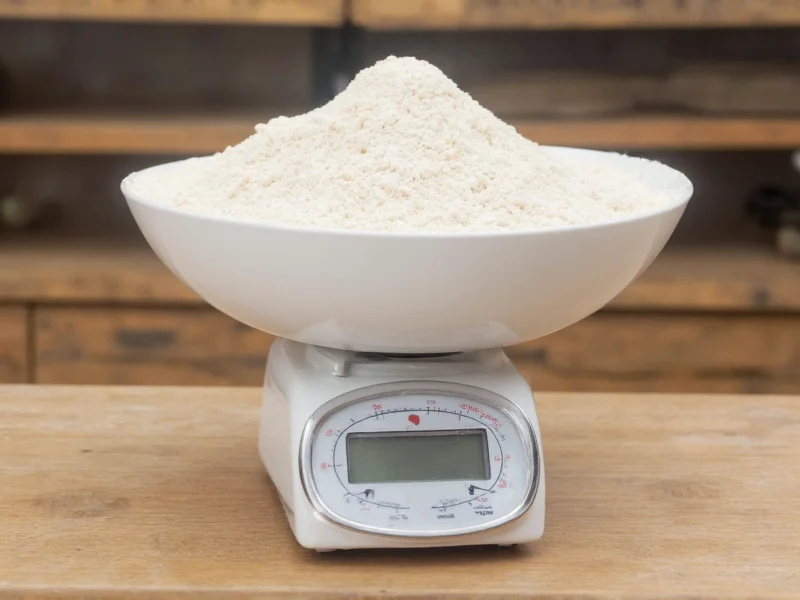
| Bread flour | 3½ cups | 450g | 12.7% protein creates optimal chew |
| Water (lukewarm) | 1¼ cups | 300g | 70% hydration prevents toughness |
| Active dry yeast | 2¼ tsp | 7g | Freshness tested with pinch test |
The Game-Changing Boil Technique (Most Home Recipes Get This Wrong)
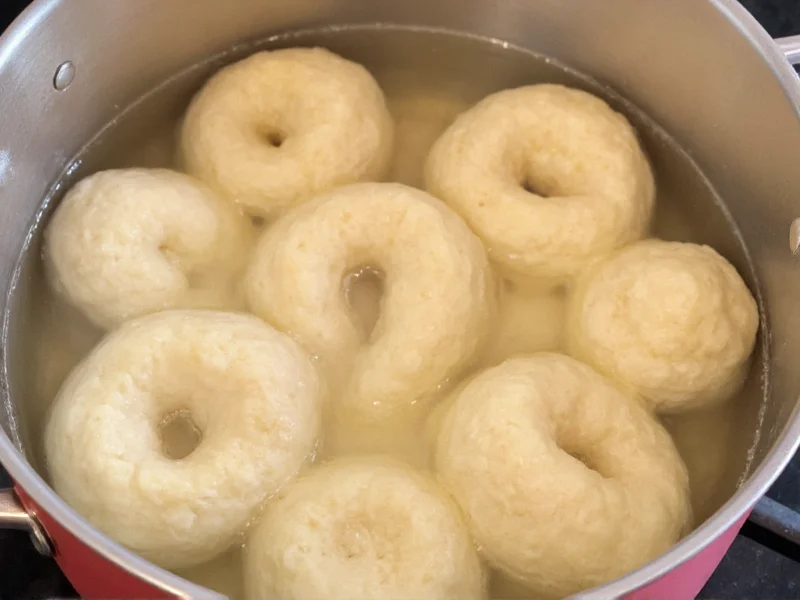
That glossy crust and chewy interior? It's not from baking—it's from the 60-second alkaline bath. Here's why:
- pH science: Baking soda (not just water) raises pH to 8-9, accelerating Maillard reaction
- Temperature control: Simmering at 180°F (82°C)—not boiling—prevents dough tearing
- Timing precision: 30 seconds per side creates crust without waterlogging
Step-by-Step: The Foolproof Process
Phase 1: Cold Fermentation (The Flavor Secret)
- Mix dough until shaggy ball forms (no dry flour)
- Knead 10 minutes by hand until smooth and passes windowpane test
- Refrigerate 18-24 hours—this develops gluten slowly for superior texture
Phase 2: Shaping Like a Pro
Most home bakers fail here. Use this tested method:
- Divide dough into 125g portions (use scale!)
- Roll into tight ropes—not loose coils
- Seal ends firmly by rolling on counter
- Proof 30 minutes covered (they should spring back slowly when poked)
Troubleshooting Your Biggest Pain Points
| Problem | Real Cause | Solution |
|---|---|---|
| Dense, bready texture | Under-boiled or wrong water temp | Simmer at 180°F for exactly 60 seconds |
| Bagels deflate when boiling | Over-proofed or weak seal | Proof only until 1.5x size; seal ends aggressively |
Flavor Variations That Actually Work
- Everything bagel: Press toppings after boiling (not before!) for maximum adhesion
- Cinnamon raisin: Soak raisins in rum for 1 hour before folding in
- Savory everything: Add 2 tsp onion powder + 1 tsp garlic powder to dough
Storage & Reheating Hacks
Freeze cooled bagels in single layer for 2 hours, then transfer to airtight bag. For bakery-fresh results:
- From frozen: Spray with water, toast 3 minutes at 375°F
- Day-old: Steam for 20 seconds before toasting
Frequently Asked Questions
Can I make bagels without bread flour?
All-purpose flour works in a pinch, but expect 30% less chew. Boost protein by adding 1 tbsp vital wheat gluten per cup of flour. Never use cake flour—it lacks sufficient gluten development.
Why is my dough sticky after cold fermentation?
This is normal! Cold slows yeast activity but doesn't stop gluten development. Let dough sit at room temperature for 20 minutes before shaping—it'll become manageable. Resist adding excess flour during shaping.
How do I get that professional shine without lye?
Use 2 tbsp baking soda + 1 tbsp barley malt syrup in the boil. The malt's enzymes create a deeper gloss than baking soda alone. Never use more than 2 tbsp soda—it causes bitter aftertaste.
Can I skip the cold ferment?
You'll get edible bagels, but miss complex flavors. For same-day results: double the yeast and proof at 75°F for 90 minutes. Texture will be noticeably less chewy due to rushed gluten development.





 浙公网安备
33010002000092号
浙公网安备
33010002000092号 浙B2-20120091-4