
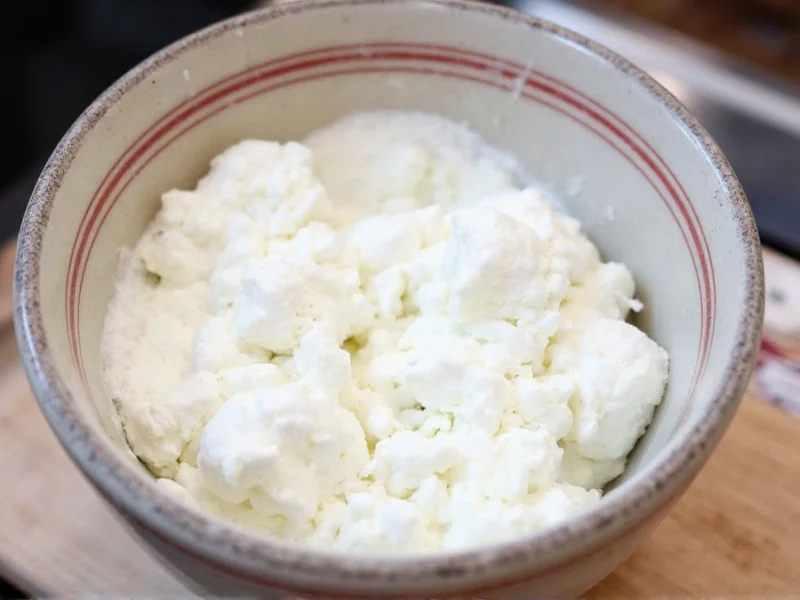
You can make fresh, creamy ricotta cheese at home in under 20 minutes using just whole milk, acid (lemon juice or vinegar), and salt. No special equipment required—just a pot, thermometer, and cheesecloth. Homemade ricotta tastes brighter, lacks preservatives, and costs 60% less than store-bought versions.
Why Homemade Ricotta Beats Store-Bought Every Time
Commercial ricotta often contains stabilizers and gums that mute its delicate flavor. When you make easy homemade ricotta cheese from scratch, you control every element. The result? Fluffier texture, brighter dairy notes, and zero additives. Plus, you'll save $4 per batch compared to premium grocery store brands.
| Factor | Homemade Ricotta | Store-Bought |
|---|---|---|
| Prep Time | 15-20 minutes | 0 minutes |
| Cost per Cup | $1.20 | $3.00+ |
| Texture | Light, fluffy curds | Dense, rubbery |
| Additives | None | Gums, stabilizers |
Your Foolproof Homemade Ricotta Cheese Recipe
This simple ricotta cheese recipe without rennet uses pantry staples. Yields 1.5 cups.
Essential Ingredients
- 4 cups whole milk (not ultra-pasteurized)
- 2 tbsp fresh lemon juice or distilled white vinegar
- ½ tsp fine sea salt
Equipment Checklist
- Medium heavy-bottomed pot
- Candy or dairy thermometer
- Fine-mesh strainer
- Double layer of cheesecloth
Step-by-Step Process: From Milk to Magic
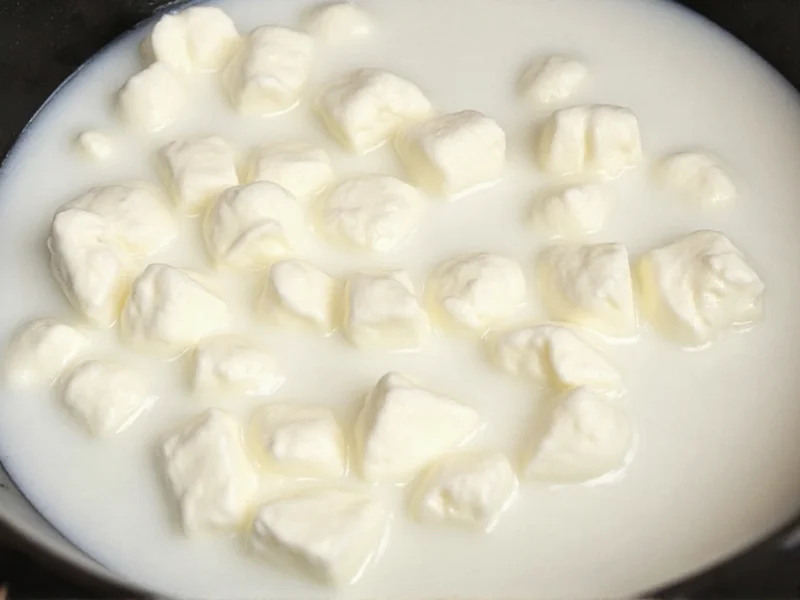
- Heat milk gently to 185°F over medium heat, stirring occasionally. Do not boil.
- Add acid and salt. Stir 10 seconds until curds separate from whey (looks like scrambled eggs).
- Rest 10 minutes off-heat—critical for proper curd formation.
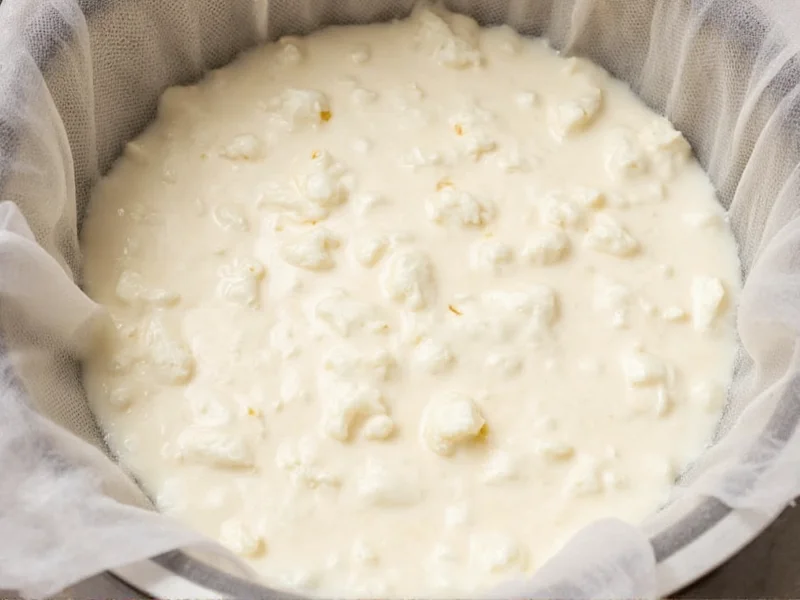
- Strain through cheesecloth in a colander. Drain 5-10 minutes for spreadable texture.
- Chill 1 hour before using. Keeps 5 days refrigerated.
Pro Tips for Perfect Results Every Time
Avoid these common pitfalls with our troubleshooting guide for homemade ricotta:
- No curds forming? Milk was ultra-pasteurized (buy "pasteurized" not "ultra-pasteurized") or temperature dropped below 180°F.
- Grainy texture? You stirred too vigorously after adding acid. Gentle folding preserves delicate curds.
- Too watery? Drain longer (up to 30 minutes) for lasagna filling, or press lightly with a spoon.
Creative Ways to Use Fresh Ricotta
Go beyond lasagna with these homemade ricotta cheese applications:
- Breakfast: Swirl into pancake batter or top toast with honey and pistachios
- Appetizers: Mix with lemon zest and herbs for crostini
- Desserts: Fold into cannoli filling or berry parfaits
- Pasta: Toss with browned butter and sage for ravioli filling
Frequently Asked Questions
Can I use skim milk for homemade ricotta?
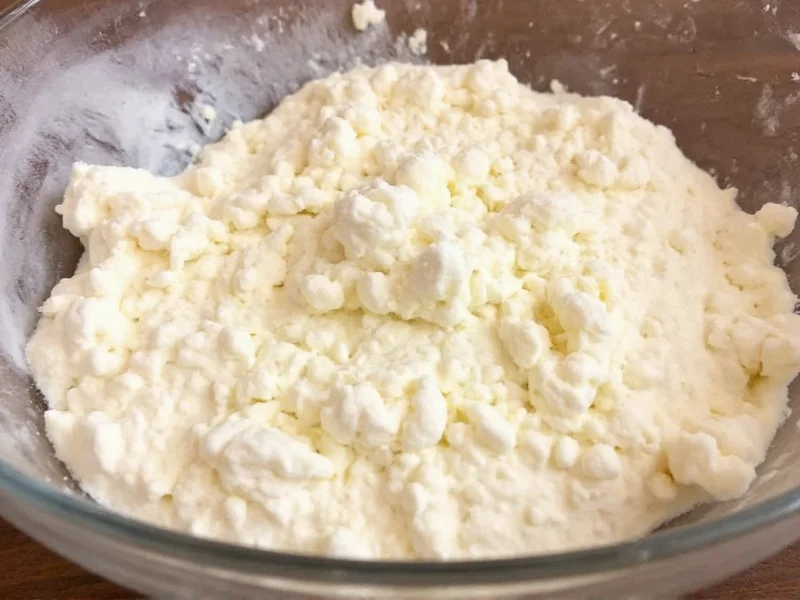
No—whole milk is essential. The fat content creates ricotta's signature creamy texture. Skim milk yields dry, rubbery curds with minimal yield. For best results, use 3.25% fat milk.
How long does fresh ricotta last?
Properly stored in an airtight container, homemade ricotta lasts 4-5 days refrigerated. Discard if whey turns yellow or develops sour odor. Never freeze—it destroys the delicate curd structure.
Why did my ricotta turn out grainy?
Overheating (above 200°F) or vigorous stirring after adding acid causes graininess. Maintain 185°F precisely and fold acid gently. If grainy, blend briefly with 1 tbsp cream to restore smoothness.
Can I substitute vinegar for lemon juice?
Yes—distilled white vinegar works identically to lemon juice. Both provide the necessary acidity. Avoid apple cider vinegar as it imparts flavor. Use equal amounts (2 tbsp per 4 cups milk).





 浙公网安备
33010002000092号
浙公网安备
33010002000092号 浙B2-20120091-4