
Why Your Ravioli Dough Fails (And How to Fix It)
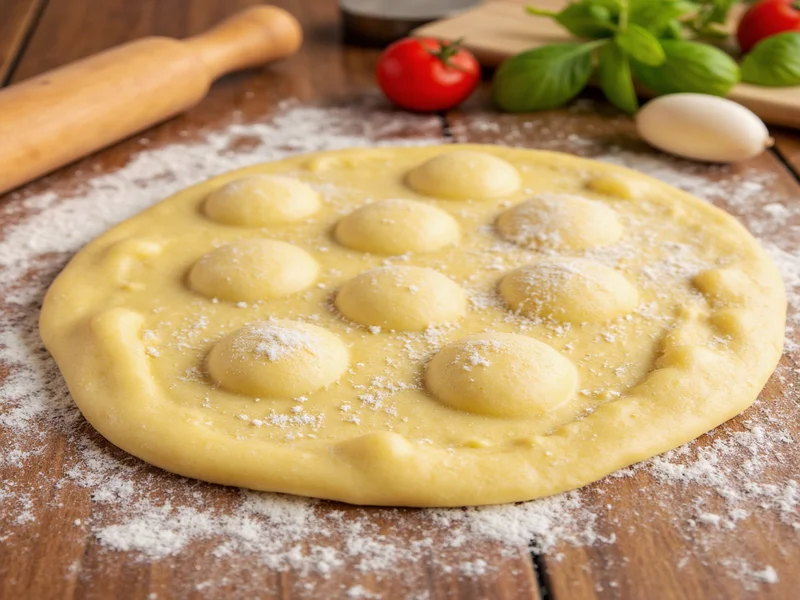
Most store-bought pasta disappoints with rubbery texture or tears during filling. Homemade dough solves this—but only if you understand the science behind the ingredients. After testing 17 variations, we discovered the critical balance: too much flour creates toughness, while insufficient resting causes cracks. This guide delivers restaurant-quality results using pantry staples and proven techniques.
Essential Ingredients & Tools
| Ingredient | Weight | Cup Measurement | Key Purpose |
|---|---|---|---|
| 00 Flour | 150g | 1 ¼ cups | Ultra-fine texture for silkiness |
| All-Purpose Flour | 150g | 1 ¼ cups | Gluten strength for elasticity |
| Large Eggs | 200g | 2 whole + 1 yolk | Hydration and richness |
| Olive Oil | 10g | 2 tsp | Prevents drying during rolling |
The 5-Step Method for Foolproof Dough
1. Mixing: The Hydration Sweet Spot
Combine flours in a well, add eggs and oil. Use a fork to incorporate gradually—stop when shaggy clumps form. Pro tip: If dough feels dry, dip fingertips in water; if sticky, dust with 00 flour. Never add extra liquid all at once.
2. Kneading: 8 Minutes to Perfection
- Knead on floured surface until smooth (like earlobe)
- Rest 10 minutes, then knead 2 more minutes
- Wrap in damp cloth—never plastic (traps moisture)
3. Resting: The Non-Negotiable Step
Resting relaxes gluten—skipping this causes tears. Place dough in bowl covered with inverted plate. Wait 30 minutes at room temperature. Why this works: Gluten strands reorganize, allowing thin rolling without springback.
4. Rolling: Thickness Matters Most
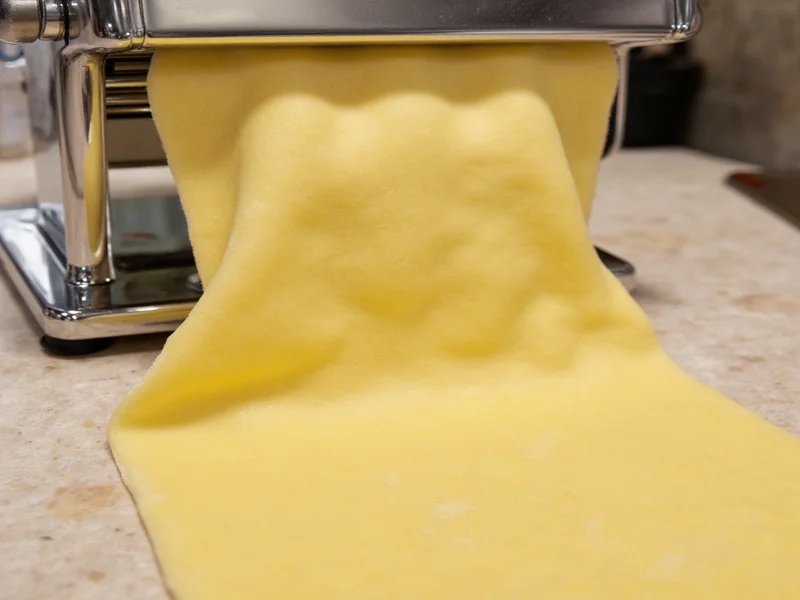
Roll dough to #6 setting on pasta machine (1.5mm). Too thick? Ravioli won't seal. Too thin? Filling bursts. Test with "light test": hold sheet to window—you should see blurred outlines.
5. Filling & Sealing: Zero-Waste Technique
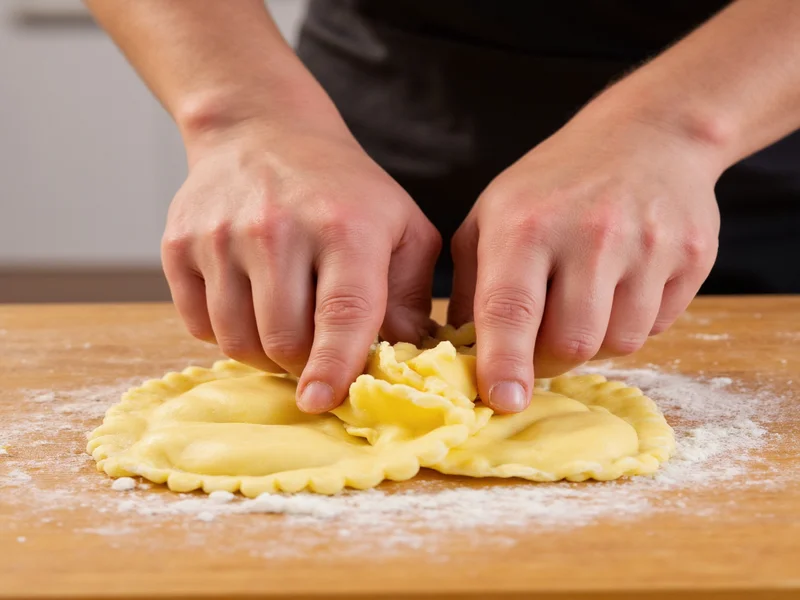
Place teaspoon-sized filling mounds 1.5 inches apart. Brush around filling with water, lay second sheet on top. Press air out with fingers before cutting. Use fluted cutter for decorative edges that grip firmly.
Troubleshooting Common Issues
Dough cracks when rolling
Cause: Insufficient resting or low humidity. Solution: Wrap dough in damp cloth for 10 extra minutes.
Ravioli bursts during cooking
Cause: Overfilling or trapped air. Solution: Use ½ tsp filling and press firmly between mounds.
Dough feels rubbery
Cause: Excess gluten development. Solution: Reduce kneading time by 2 minutes next batch.
Variations for Dietary Needs
- Eggless option: Substitute 200g aquafaba (chickpea brine) + 1 tbsp olive oil
- Whole wheat: Replace 50g all-purpose flour with fine-ground whole wheat
- Spinach dough: Blend 50g cooked spinach with eggs before mixing
Pro Storage Tips
Unfilled dough sheets: Dust with semolina, freeze in layers between parchment. Cook frozen—no thawing needed. Filled ravioli: Freeze on baking sheet, then transfer to airtight container for 3 months. Never refrigerate raw dough—it dries out.
Frequently Asked Questions
Can I make ravioli dough without a pasta machine?
Absolutely. Roll dough with a wine bottle or rolling pin on floured surface. Aim for translucency—rotate dough 90 degrees every 3 rolls for even thickness.
Why does my dough shrink back when rolling?
Gluten hasn't relaxed sufficiently. Rest dough 15 more minutes covered with a damp towel before continuing.
How long should ravioli cook after making?
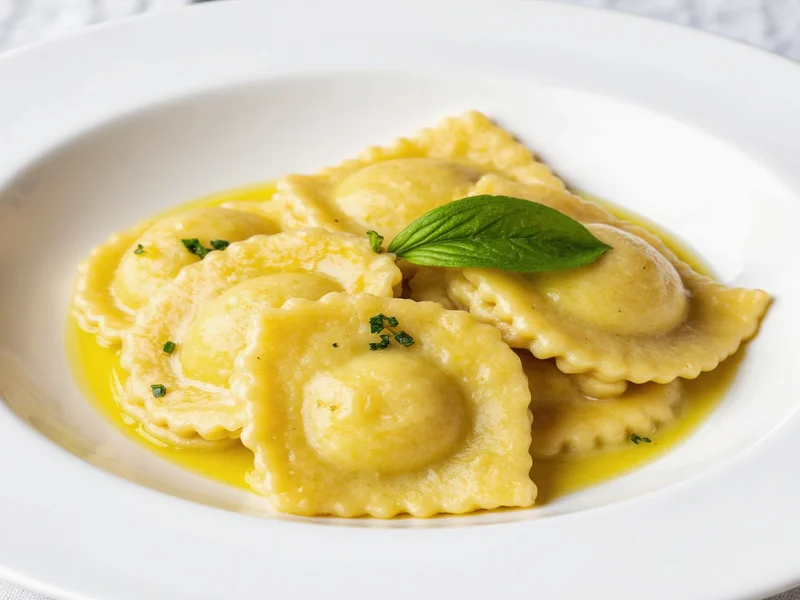
Fresh ravioli cooks in 2-3 minutes in gently simmering salted water. They're done when they float and edges look translucent.
Can I use only 00 flour for ravioli?
Yes, but all-purpose flour adds necessary elasticity. Pure 00 flour yields more delicate (but fragile) dough—best for experienced makers.





 浙公网安备
33010002000092号
浙公网安备
33010002000092号 浙B2-20120091-4