
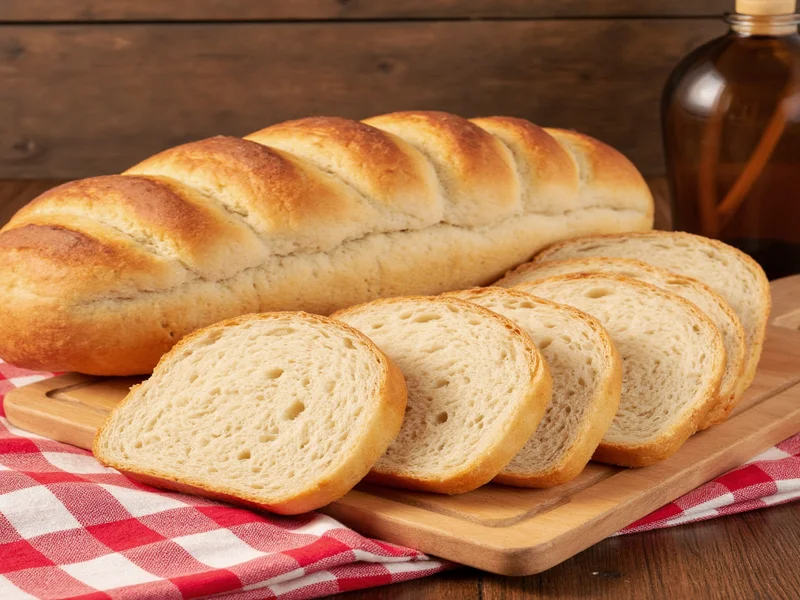
The best way to keep homemade bread fresh for 3-5 days is to store it cut-side down on a wooden board, wrapped in a clean cotton kitchen towel, at room temperature. Never refrigerate—it accelerates staling. For longer storage, freeze slices in reusable beeswax wraps.
Why Homemade Bread Stales Faster (And How to Fight It)
Unlike store-bought loaves packed with preservatives, your homemade bread relies solely on natural ingredients. Within hours, starch molecules recrystallize (retrogradation), drawing moisture from the crumb. The secret? Control moisture exchange while preventing mold. Here’s how to extend freshness using science-backed methods:
5 Storage Methods That Actually Work
Room Temperature: The Cotton Towel Method
- How: Place cut-side down on a wooden board, cover loosely with a clean 100% cotton towel
- Why it works: Cotton absorbs excess moisture while allowing airflow (unlike plastic)
- Freshness: 3-5 days for crusty loaves, 2-3 days for soft sandwich bread
- Avoid: Sealing in plastic bags before day 2—traps steam causing sogginess
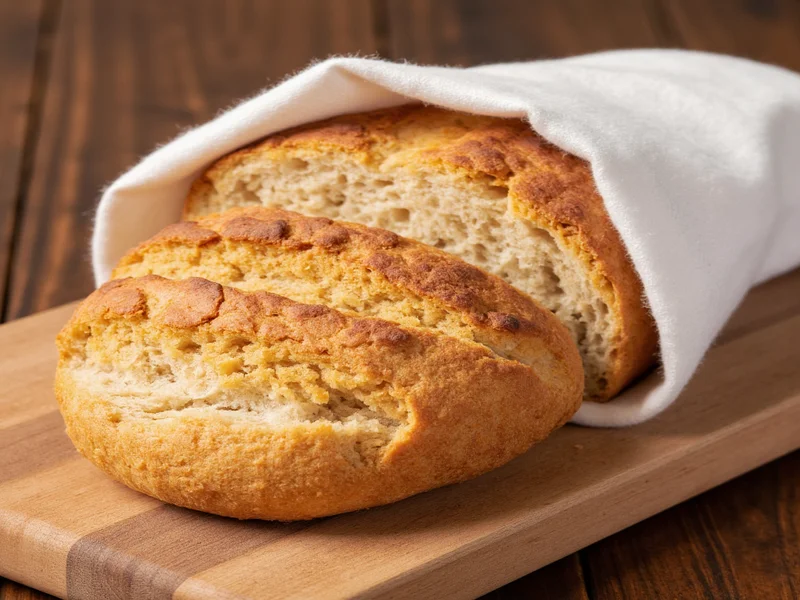
Bread Box Storage (The Traditional Approach)
- Best for: Sourdough, baguettes, rustic loaves
- Pro tip: Line wooden boxes with linen to regulate humidity
- Warning: Avoid metal boxes—they react with acids in sourdough
- Freshness boost: Place a halved apple inside to release moisture (replace every 24h)
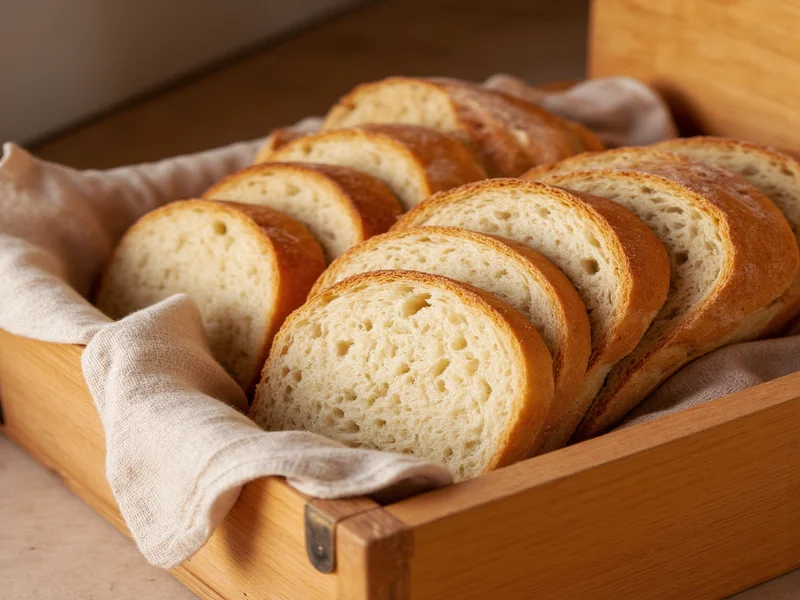
Freezing for Long-Term Freshness
- Step 1: Slice completely cooled loaf
- Step 2: Separate slices with parchment paper
- Step 3: Store in reusable beeswax wraps or cotton freezer bags
- Revival: Toast frozen slices directly—they’ll taste freshly baked in 90 seconds
- Duration: 3 months without quality loss
Critical Mistakes That Ruin Homemade Bread
| Mistake | Why It Fails | Better Alternative |
|---|---|---|
| Refrigeration | Accelerates starch retrogradation by 300% | Room temp storage or freezing |
| Plastic bags immediately after baking | Traps steam → soggy crust | Wait 24h before using breathable wraps |
| Storing cut-side up | Exposes crumb to drying air | Always store cut-side down |
Pro Baking Tips for Longer Freshness
Extend shelf life during baking with these chef-tested techniques:
- Add 1 tbsp vinegar to dough—it lowers pH, slowing mold growth
- Use tangzhong method for sandwich bread (cooking flour/water paste)—retains 20% more moisture
- Include 2% vital wheat gluten in whole wheat recipes—improves water retention
Reviving Stale Bread Like a Pro
Don’t toss slightly stale loaves! These methods restore freshness:
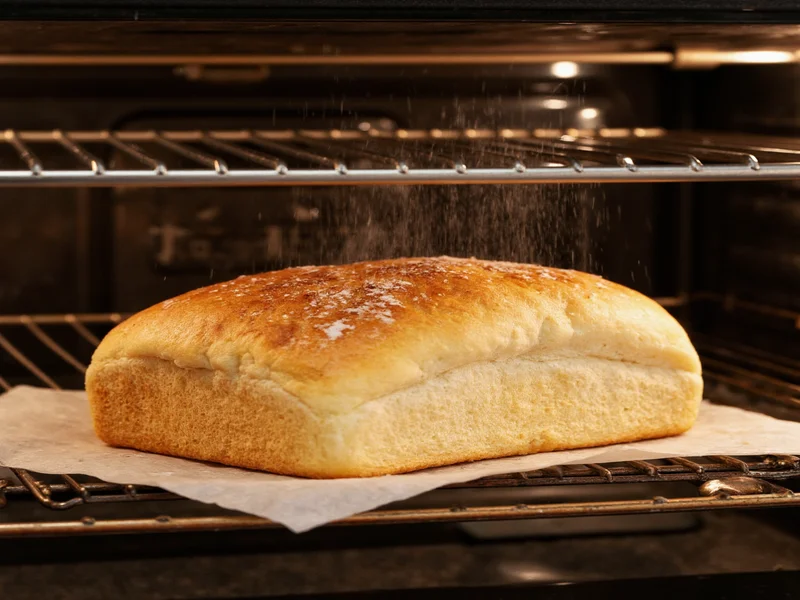
- Oven revival: Spritz crust with water, bake at 350°F (175°C) for 5-8 minutes
- Steam trick: Place loaf in bowl, cover with damp towel for 10 minutes before toasting
- French toast rescue: Stale bread absorbs custard better—ideal for brunch!
When to Toss Your Bread
Discard immediately if you see:
- Any fuzzy spots (even small ones—mold roots penetrate deep)
- Sour or chemical odors
- Excessive hardness that doesn’t soften with revival methods
Frequently Asked Questions
Can I store bread in a paper bag?
Paper bags work for crusty breads like baguettes for 1-2 days, but they dry out soft sandwich loaves too quickly. For best results, use cotton for soft breads and paper only for crusty varieties needing airflow.
Why does my homemade bread go stale faster than store-bought?
Commercial bread contains dough conditioners and preservatives like calcium propionate that slow staling. Your homemade version lacks these, making proper storage critical—focus on moisture control rather than expecting supermarket shelf life.
Is freezing bread safe for people with gluten sensitivity?
Freezing doesn’t alter gluten structure. If you require gluten-free bread, ensure your recipe uses certified GF flours, and store using the same methods—freezing actually preserves texture better for GF loaves.
How do I prevent freezer burn on frozen bread?
Remove all air from storage bags using the straw method: seal bag leaving 1-inch gap, insert straw to suck out air, then seal completely. For best results, wrap slices in parchment before bagging.





 浙公网安备
33010002000092号
浙公网安备
33010002000092号 浙B2-20120091-4