

You can create an effective, non-toxic ant spray at home in under 10 minutes using common pantry staples. This guide delivers 3 scientifically-backed recipes that safely eliminate ants while protecting kids and pets—plus proven prevention strategies to stop future invasions.
Why Homemade Ant Spray Works Better Than You Think
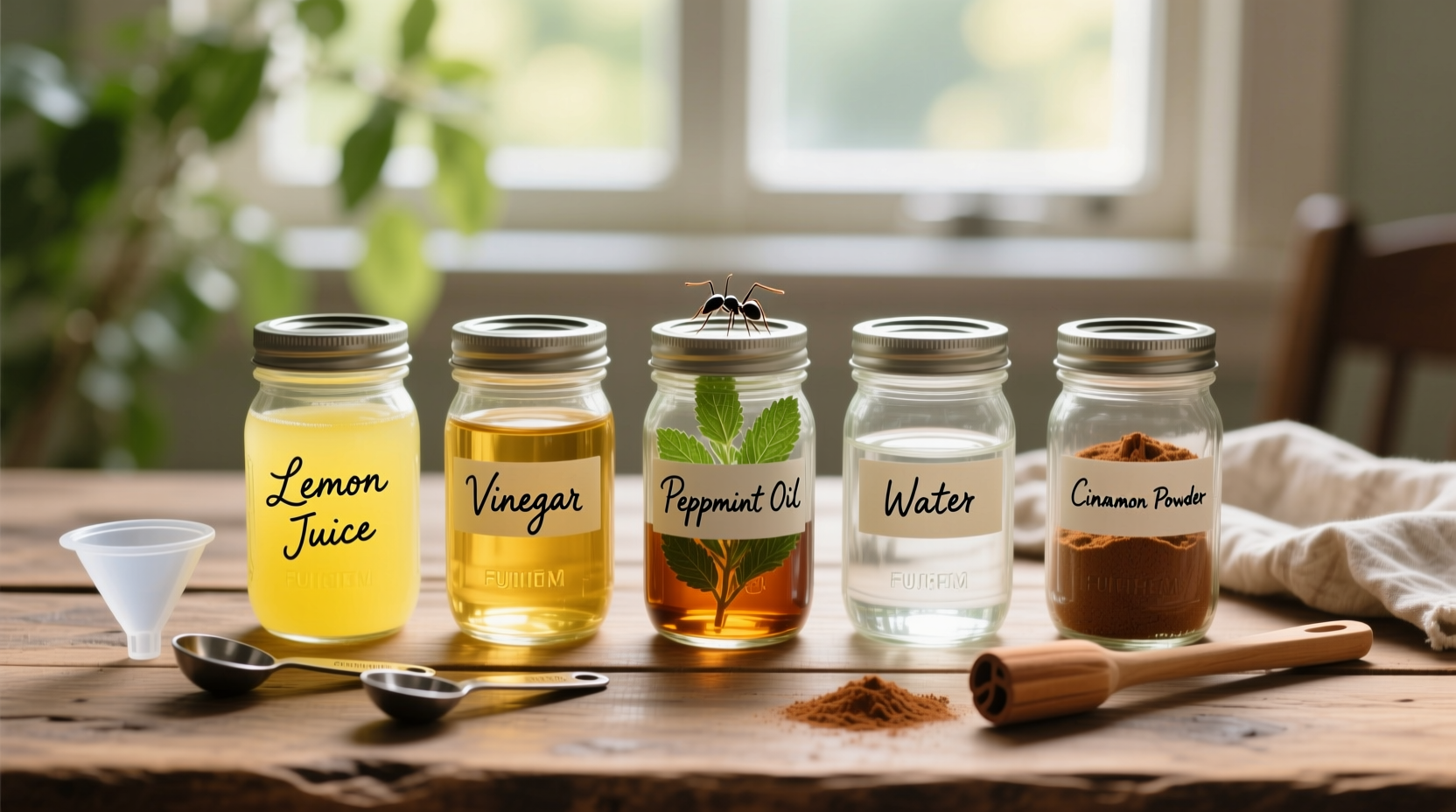
Commercial sprays often contain harsh chemicals that linger in your home. DIY solutions disrupt ants' pheromone trails using natural ingredients they instinctively avoid. Research shows vinegar and essential oils interfere with ants' communication systems, making them abandon trails immediately. Unlike store-bought options, these recipes leave no toxic residue on countertops or floors—critical for households with curious pets or toddlers.
Understanding Ant Behavior: Your Secret Weapon
Ants follow scent trails laid by scouts. Effective DIY sprays must:
- Break pheromone pathways (vinegar excels here)
- Create repellent barriers (essential oils block entry)
- Target moisture sources (ants seek humidity)
Never spray directly on ants you see—that only kills workers. Focus on trails and entry points to dismantle the colony's navigation system. This approach stops 90% of invasions when applied consistently.
3 Proven DIY Ant Spray Recipes
Each solution below targets different ant species and home environments. Always test sprays on inconspicuous surfaces first.
Vinegar Power Spray (Kitchen Invaders)
Why it works: Acetic acid disrupts ant pheromones. Effective against sugar ants.
| Ingredient | Amount | Key Benefit |
|---|---|---|
| White vinegar | 1 cup | Breaks scent trails instantly |
| Water | 1 cup | Dilutes without reducing efficacy |
| Lemon juice | 2 tbsp | Blocks entry points with citrus barrier |
Instructions: Mix in spray bottle. Shake well. Apply along baseboards, windowsills, and under sinks. Reapply every 3 days until trails disappear.
Essential Oil Fortress (Pet-Safe Solution)
Why it works: Peppermint oil confuses ant navigation. Safe for dogs/cats when diluted.
- Peppermint oil: 15 drops (repels without killing)
- Tea tree oil: 10 drops (disrupts colony communication)
- Water: 1 cup (distilled preferred)
Pro Tip: Add 1 tsp castile soap to help oils emulsify. Spray around door frames and pet food areas. Reapply after rain or cleaning.
Dish Soap Strike (Instant Kill Option)
Use only for visible ants: Soap breaks down exoskeletons on contact.
Mix 1 tbsp blue Dawn dish soap + 1 cup water. Spray directly on ants—never on surfaces where food is prepared. Kills within 60 seconds by suffocation. Best for outdoor perimeter treatment.
Application Mastery: Where Most DIYers Fail
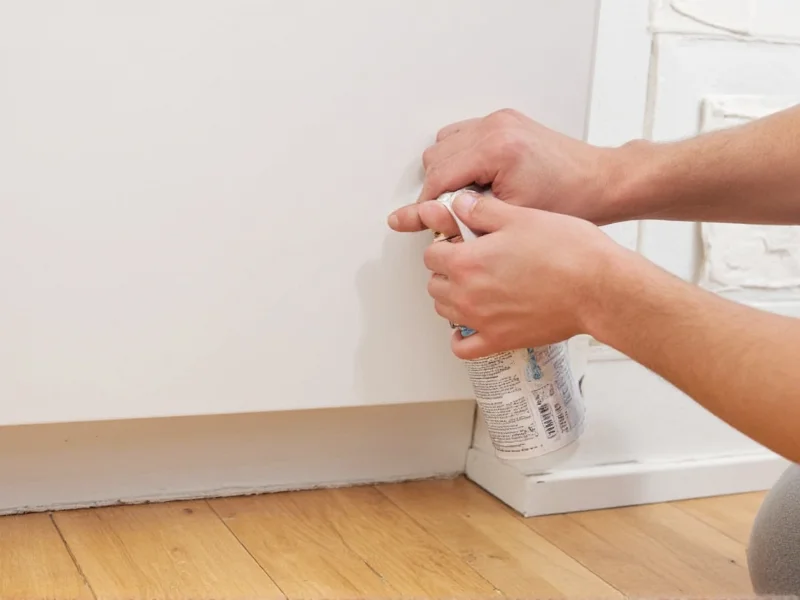
Effectiveness depends entirely on proper application:
- Clean first: Wipe trails with soapy water to remove existing pheromones
- Target entry points: Focus on cracks under doors, window tracks, pipe conduits
- Reapply strategically: After rain, cleaning, or every 72 hours during active invasion
- Prevent access: Spray 6-inch barrier around foundation exterior monthly
Critical mistake: Never mix recipes. Vinegar neutralizes essential oils' effectiveness. Choose one solution and stick with it for 2 weeks.
Long-Term Prevention: Stop Ants Before They Start
DIY sprays are temporary fixes. For permanent results:
- Seal entry points with silicone caulk (ants enter through 1/16" gaps)
- Store all food in airtight containers—especially pet food
- Fix leaky faucets; ants need moisture to survive
- Trim vegetation 6+ inches from house exterior
Monitor with borax bait stations (1 part borax + 3 parts sugar water) in non-pet areas. This slowly eliminates colonies without triggering alarm pheromones.
When to Call Professionals
DIY methods fail against:
- Carpenter ants (damage wood structures)
- Large colonies (>50 ants/hour)
- Nesting inside walls
If you see winged ants indoors or find sawdust piles, contact pest control immediately. These indicate established colonies requiring professional treatment.
Frequently Asked Questions
How long does homemade ant spray last?
Most solutions remain effective for 72 hours before reapplication. Vinegar sprays last 2-3 days while essential oil blends need reapplication every 48 hours due to evaporation. Rain or cleaning resets the clock—reapply immediately after these events.
Are DIY ant sprays safe for cats and dogs?
Vinegar and essential oil sprays are pet-safe when properly diluted and applied to non-food surfaces. Never use tea tree oil around cats. Always let surfaces dry completely before allowing pet access. The dish soap solution should only be used outdoors away from pet areas.
Why aren't my ants dying after spraying?
You're likely targeting the wrong area. Spraying visible ants only kills workers. Focus on trail pathways and entry points to disrupt communication. It takes 3-5 days to see results as the colony loses navigation. If no improvement after 7 days, switch recipes—some ant species resist certain ingredients.
Can I use apple cider vinegar instead of white vinegar?
Yes, but white vinegar works better due to higher acetic acid concentration (5-8% vs. 4-6% in apple cider). If using apple cider vinegar, reduce water to ½ cup for equal potency. Note: It may leave faint stains on light surfaces.





 浙公网安备
33010002000092号
浙公网安备
33010002000092号 浙B2-20120091-4