
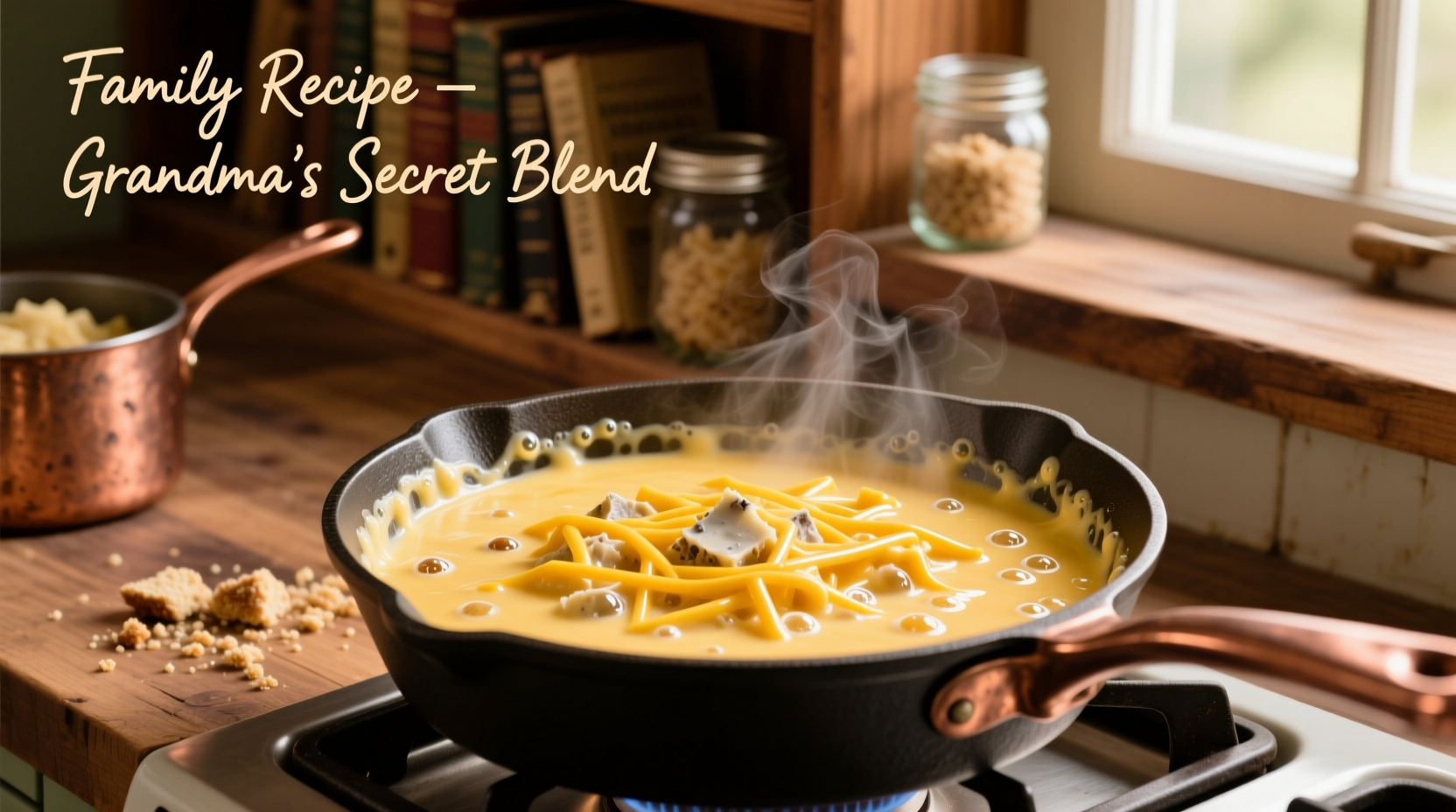
The perfect homemade mac & cheese sauce starts with a 1:1 butter-to-flour roux and sharp cheddar melted slowly off-heat. This method prevents graininess while delivering creamy, restaurant-quality results in 15 minutes with just 6 pantry staples.
Why Ditch the Box? The Real Magic of Homemade Sauce
Boxed mac and cheese often relies on sodium phosphate and artificial colors to mimic creaminess. When you make sauce from scratch, you control every element: richer flavor, zero preservatives, and that luxurious velvety texture that boxed versions can't replicate. Most importantly, you'll avoid the #1 kitchen disaster—grainy, broken sauce—by understanding the science behind cheese emulsification.
Essential Ingredients Decoded
Not all cheeses behave the same in sauce. This table reveals why certain types work best:
| Cheese Type | Moisture Content | Best For Sauce? | Why It Works |
|---|---|---|---|
| Sharp Cheddar | Medium | ✓ Ideal | Natural emulsifiers prevent separation; tang balances richness |
| Gruyère | High | ✓ Ideal | Buttery notes enhance depth without overwhelming |
| Mozzarella | Very High | ✗ Avoid | Excess moisture causes oil separation and rubbery texture |
| Pre-shredded | N/A | ✗ Avoid | Anti-caking agents (cellulose) prevent smooth melting |

Your 5-Step Foolproof Sauce Method
Follow this chef-tested sequence for guaranteed smooth results:
- Roux foundation: Melt 4 tbsp butter, whisk in 4 tbsp flour until golden (2 mins). Never brown—it causes floury taste.
- Milk integration: Gradually add 2 cups warm milk while whisking. Cold milk shocks the roux, causing lumps.
- Thickening test: Simmer until sauce coats the back of a spoon ("nappé" stage). This takes 5-7 minutes—rushing causes thin sauce.
- Cheese magic: Remove pot from heat. Fold in 2 cups freshly grated cheese in 3 batches. Residual heat melts cheese gently.
- Flavor boost: Stir in 1 tsp mustard powder and ½ tsp smoked paprika. Acid cuts richness; spice adds complexity.
Troubleshooting Common Sauce Disasters
Grainy Texture?
Cause: Cheese added to boiling liquid or overheated after melting.
Solution: Blend 1 tbsp cornstarch slurry into cooled sauce while reheating gently.
Too Thick?
Cause: Overcooked roux or insufficient liquid.
Solution: Whisk in warm milk 1 tbsp at a time until desired consistency.
Oily Separation?
Cause: High-moisture cheeses or excessive heat.
Solution: Remove from heat immediately; add 2 tbsp cold béchamel while whisking vigorously.

Elevate Your Sauce: Pro Chef Secrets
- Acid balance: A splash of light beer (½ cup) replaces milk for nutty depth without bitterness
- Umami boost: Steep 1 dried porcini mushroom in warm milk before straining
- Texture trick: Blend ¼ cup cottage cheese for extra creaminess (undetectable!)
- Make-ahead tip: Sauce thickens when chilled—reheat with 2 tbsp cream
3 Creative Variations to Try
Customize your base sauce with these chef-inspired twists:
Truffle Elegance
Stir in 1 tsp truffle oil + 2 tbsp grated Parmesan after cheese melts. Top with chives.
Smoky Bacon Bliss
Fry 4 oz chopped bacon until crisp. Use bacon fat for roux; fold in bacon bits at the end.
Spicy Jalapeño Kick
Infuse milk with 2 sliced jalapeños (simmer 10 mins, strain). Add ¼ cup pickled jalapeño brine.
Why This Method Beats All Others
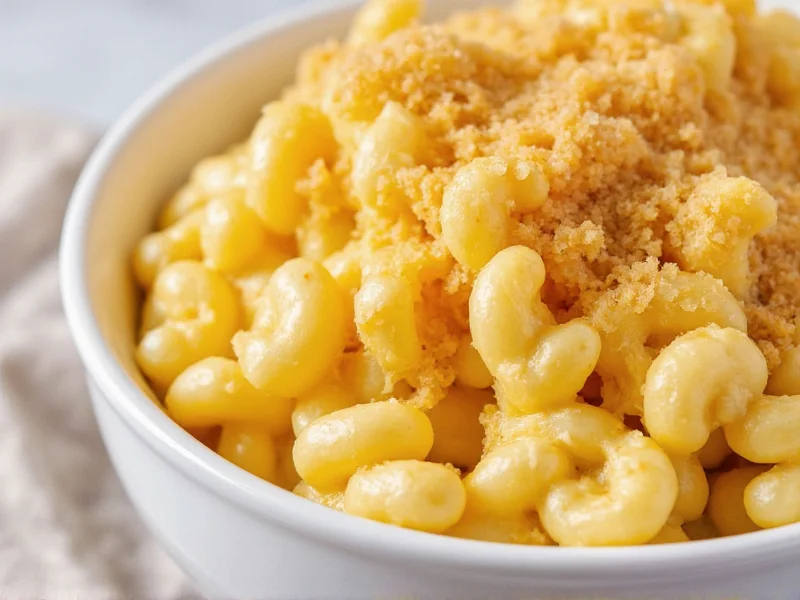
Most recipes fail by adding cheese to boiling sauce—a guaranteed path to graininess. Dairy proteins seize up above 110°F (43°C), causing irreversible separation. By removing the pot from heat before adding cheese, you maintain the critical temperature threshold where emulsification occurs naturally. This technique, borrowed from French sauce-making, transforms basic ingredients into something extraordinary through controlled physics—not luck.
Frequently Asked Questions
Can I use evaporated milk for creamier sauce?
Yes—it adds richness without thinning the sauce. Substitute 1 cup evaporated milk for regular milk in the roux stage. Avoid sweetened condensed milk, which alters flavor.
Why does my sauce thicken after baking?
Pasta absorbs liquid during baking. Prevent this by undercooking pasta by 2 minutes and using ½ cup extra milk in the sauce. Stir before baking.
How do I reheat leftover sauce without breaking?
Always reheat on low stove heat with 1-2 tbsp cream. Microwave reheating causes rapid temperature spikes that break emulsions. Stir constantly in a double boiler.
Can I freeze homemade cheese sauce?
Yes, but texture may suffer. Freeze in airtight containers for up to 2 months. Thaw overnight in fridge, then reheat gently with 1 tbsp cornstarch slurry to restore smoothness.





 浙公网安备
33010002000092号
浙公网安备
33010002000092号 浙B2-20120091-4