
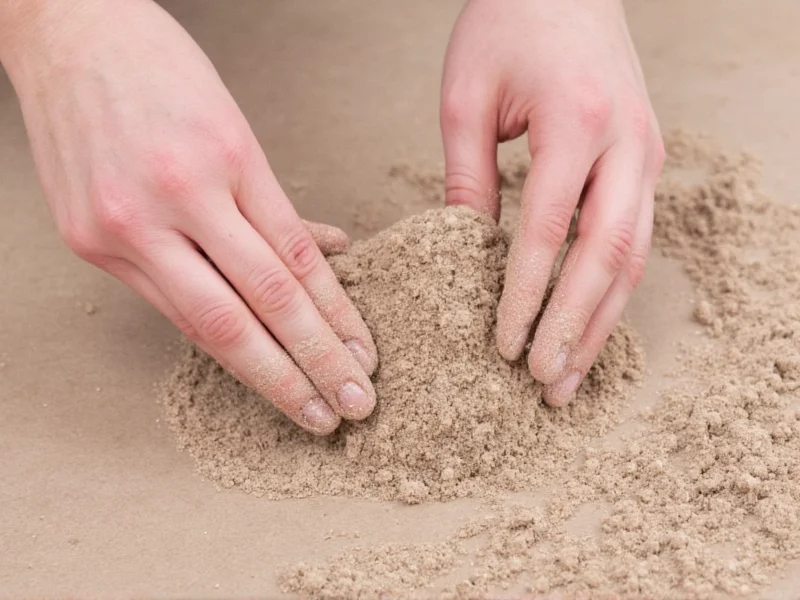
The Science and Simplicity of DIY Kinetic Sand
Creating your own kinetic sand isn't just a fun weekend project—it's a smart solution for parents, educators, and therapists seeking an affordable, customizable sensory material. Unlike store-bought versions that can cost $20+ for a small container, homemade kinetic sand costs pennies per batch while offering complete control over ingredients, texture, and color. The magic happens through a precise balance of fine sand and a binding agent that creates those signature flowing yet moldable properties.
Why Homemade Beats Store-Bought
| Feature | Homemade Kinetic Sand | Commercial Version |
|---|---|---|
| Cost per pound | $0.50-$1.00 | $10-$25 |
| Ingredient control | Full customization | Unknown additives |
| Allergy safety | Hypoallergenic options | May contain irritants |
| Texture adjustment | Perfect for any age | Fixed consistency |
Essential Ingredients Demystified
The perfect kinetic sand relies on four key components working in harmony. Understanding each element's role helps you troubleshoot and customize:
Fine Play Sand (80%)
Must be sifted to remove coarse particles—construction sand won't work. Opt for silica-free options for young children.
Binding Agent (15-18%)
Cornstarch creates the signature flow, while alternatives like baby powder work for different textures.
Moisture (4-5%)
Distilled water prevents clumping; essential oils can be added for sensory enhancement.
Colorant (Optional)
Food-grade mica powder provides vibrant color without staining hands or surfaces.
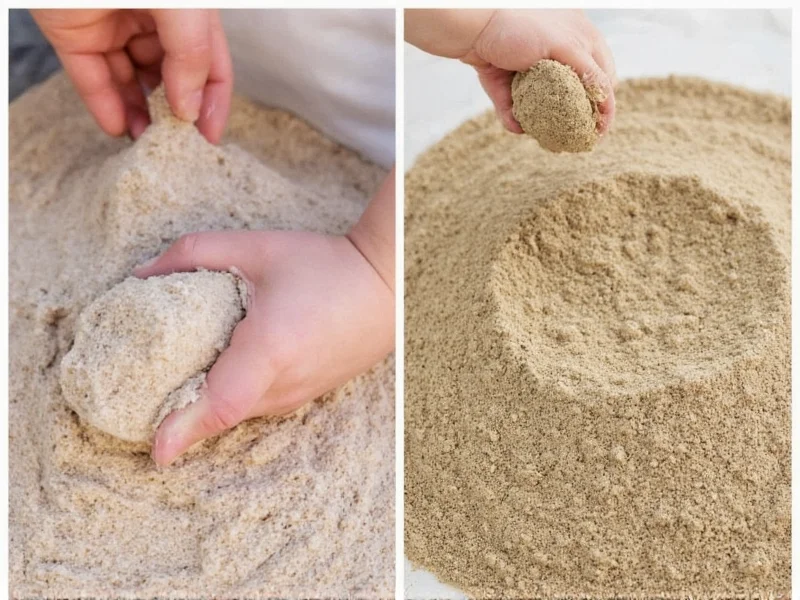
Three Foolproof Recipes for Different Needs
Classic Cornstarch Formula (Ages 3+)
- 4 cups sifted play sand
- 3/4 cup cornstarch
- 1/2 cup distilled water
- 1 tsp dish soap (optional for extra elasticity)
Mixing tip: Add water gradually while mixing—too much creates mud, too little yields crumbly sand. The perfect batch should hold shapes for 5-7 seconds before flowing.
Gluten-Free Alternative (Allergy-Safe)
- 4 cups sand
- 1 cup baby powder
- 1/4 cup aloe vera gel
- 5 drops lavender essential oil
This version maintains shape longer, ideal for therapeutic hand exercises. Store in an airtight container for up to 6 months.
Natural Earth Tones Version
- 4 cups sand
- 1/2 cup coconut oil
- 2 tbsp bentonite clay
- 1 tsp turmeric (yellow) or spirulina (green)
Perfect for nature-themed sensory bins. The coconut oil creates a silky texture that's gentle on sensitive skin.
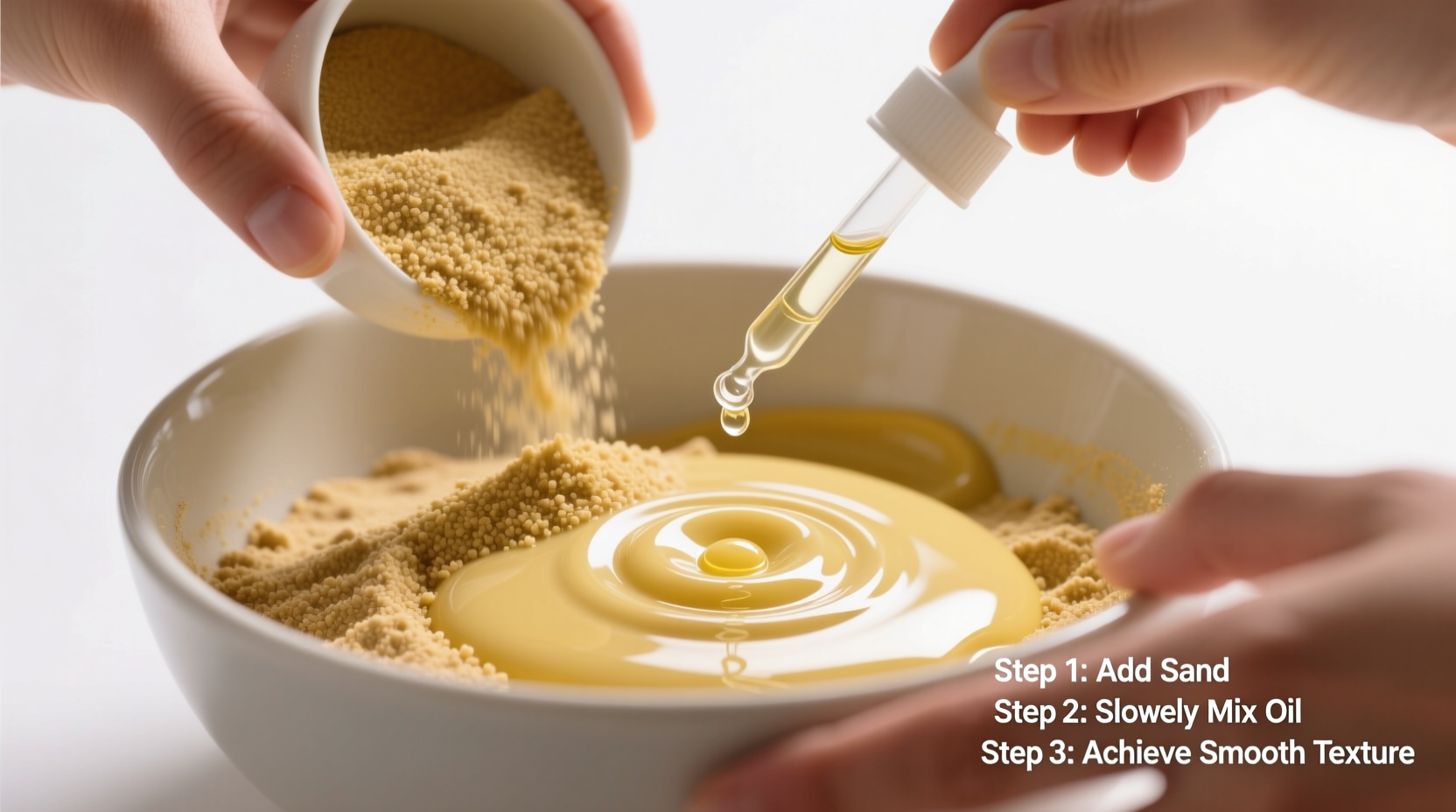
Troubleshooting Common Issues
Even experienced makers encounter these challenges—here's how to fix them immediately:
Too Sticky?
Sprinkle in additional cornstarch 1 tsp at a time while kneading. Overly sticky sand usually means excess moisture—let it air-dry for 10 minutes before adjusting.
Add water drop by drop using an eyedropper. The ideal consistency should feel cool to the touch and hold a ball shape for exactly 5 seconds.
Color Bleeding?
Switch to mica powder instead of liquid food coloring. For vibrant hues without staining, mix colorant with the binding agent before adding sand.
Maximizing Educational Value Through Play
Homemade kinetic sand isn't just fun—it's a powerful developmental tool. These activity frameworks target specific skills:
- Preschoolers: Hide small toys for treasure hunts to develop fine motor skills
- Early Elementary: Create miniature construction sites with toy vehicles for spatial reasoning
- Therapeutic Use: Shape stress-relief balls with rhythmic kneading for emotional regulation
- STEM Learning: Demonstrate erosion by building sandcastles and simulating rain with spray bottles
Safety First: Critical Considerations
While homemade versions eliminate unknown commercial additives, these safety protocols are essential:
- Always supervise children under 5—small batches reduce choking hazards
- Test for cornstarch allergies before full use (rare but possible)
- Avoid essential oils with children under 3 years old
- Store in clearly labeled containers away from food preparation areas
- Discard immediately if mold appears (properly stored sand shouldn't develop mold)
Longevity and Maintenance Secrets
Extend your kinetic sand's life with these professional techniques:
- Reviving dried sand: Place in sealed bag with damp paper towel for 24 hours
- Removing debris: Sift through fine mesh strainer, then remoisten
- Color refresh: Add tiny amount of new colorant to rejuvenate faded batches
- Storage: Airtight container with silica gel packet doubles shelf life
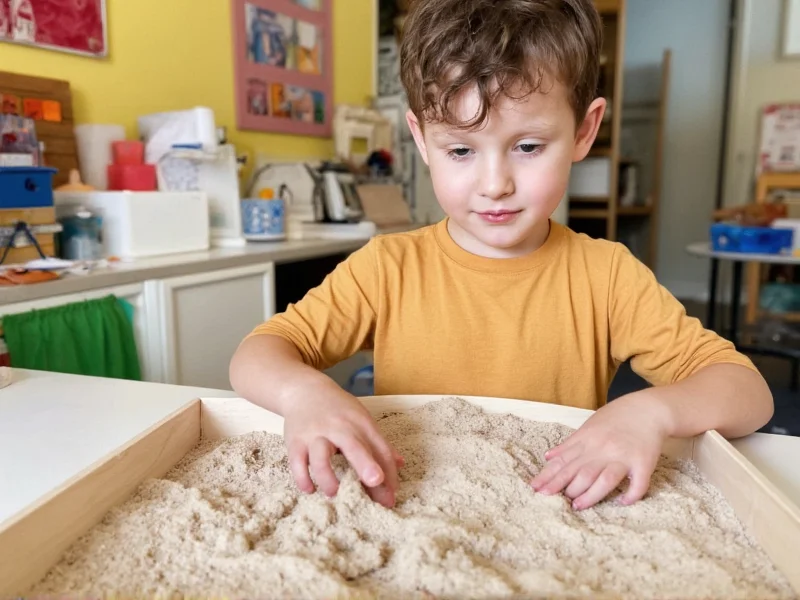
Frequently Asked Questions
Can I make kinetic sand without cornstarch?
Yes—baby powder or bentonite clay work as excellent cornstarch alternatives. For a completely starch-free version, use 4 cups sand with 1/2 cup coconut oil and 2 tbsp aloe vera gel. This creates a smoother texture ideal for sensitive skin while maintaining the signature flowing properties.
How long does homemade kinetic sand last?
Properly stored in an airtight container with a silica gel packet, homemade kinetic sand maintains optimal texture for 6-8 months. Discard immediately if you notice any mold, unusual odors, or significant color changes. The cornstarch-based version typically lasts longer than oil-based alternatives.
Is homemade kinetic sand safe for toddlers?
Yes with precautions—use extra-fine sand with no particles larger than 0.5mm, avoid small colorants, and supervise closely. For children under 3, consider a cornstarch-only version without added colorants. Always perform a small patch test for potential cornstarch allergies before extended play sessions.
Why does my kinetic sand keep drying out?
Drying usually occurs from improper storage or incorrect water ratios. Store in completely sealed containers—plastic bags with tight knots work better than loosely covered bins. If using cornstarch formula, ensure your water measurement is precise (1/2 cup per 4 cups sand). For immediate revival, place damp paper towel in container for 24 hours.
Can I add scents to homemade kinetic sand?
Yes, but with age considerations. For children over 3, add 3-5 drops of food-grade essential oil to the water before mixing. Lavender promotes calmness while citrus scents increase alertness. Never use synthetic fragrances—they can cause skin irritation and the scent molecules are too large for proper absorption.





 浙公网安备
33010002000092号
浙公网安备
33010002000092号 浙B2-20120091-4