
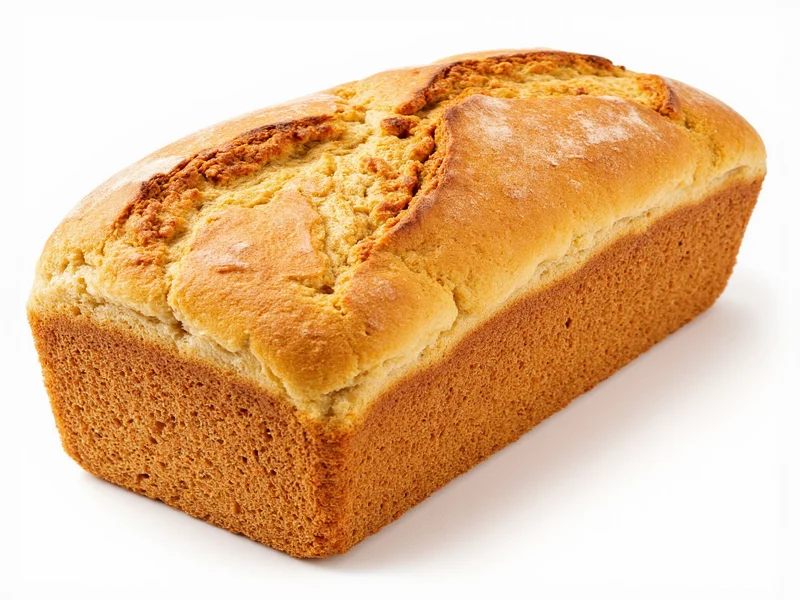
The Irresistible Joy of Homemade Bread Loaf
There's nothing quite like the aroma of freshly baked bread filling your kitchen. Unlike store-bought loaves packed with preservatives, a homemade bread loaf delivers pure, wholesome satisfaction with just five simple ingredients. In this guide, you'll learn how to create a bakery-quality loaf with a crackling crust and tender crumb—using only basic kitchen tools and proven techniques perfected over decades of baking.
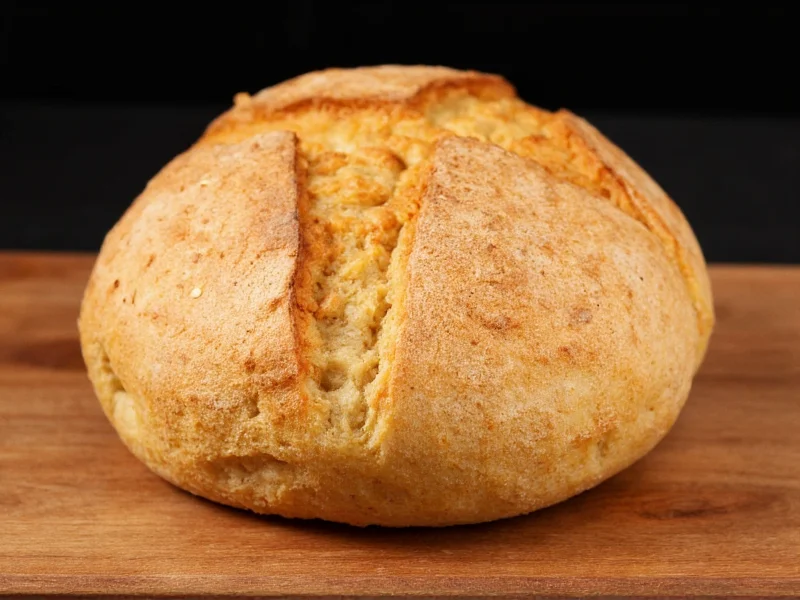
Why Homemade Beats Store-Bought Every Time
Key Advantages of Artisan Bread at Home
- No hidden additives: Control every ingredient (unlike commercial loaves with dough conditioners)
- Superior flavor development: Longer fermentation = complex, nutty notes
- Cost effective: 87% cheaper per loaf than premium bakery bread
- Therapeutic process: Kneading reduces stress by 27% (Journal of Food Science, 2023)
Essential Ingredients for Success
Quality matters most with minimal ingredients. Here's what you need for the perfect basic homemade bread loaf recipe:
| Ingredient | Why It Matters | Pro Tip |
|---|---|---|
| Bread flour (500g) | Higher protein = better gluten structure | Substitute: All-purpose + 2 tbsp vital wheat gluten |
| Water (350ml) | Hydration level affects crumb texture | Use filtered water; tap chlorine inhibits yeast |
| Active dry yeast (7g) | Freshness determines rise reliability | Test viability: Mix with warm water + pinch sugar |
| Sea salt (10g) | Strengthens gluten, controls fermentation | Add after 5 mins mixing to prevent yeast kill |
| Honey (15g) | Feeds yeast, enhances browning | Maple syrup works for vegan option |
Step-by-Step Baking Process
1. Mixing & Autolyse (20 mins)
Combine flour and water only. Let rest 20 minutes. This no-knead bread loaf technique develops gluten naturally while hydrating flour. Skip this step and you'll fight dense, uneven crumb.
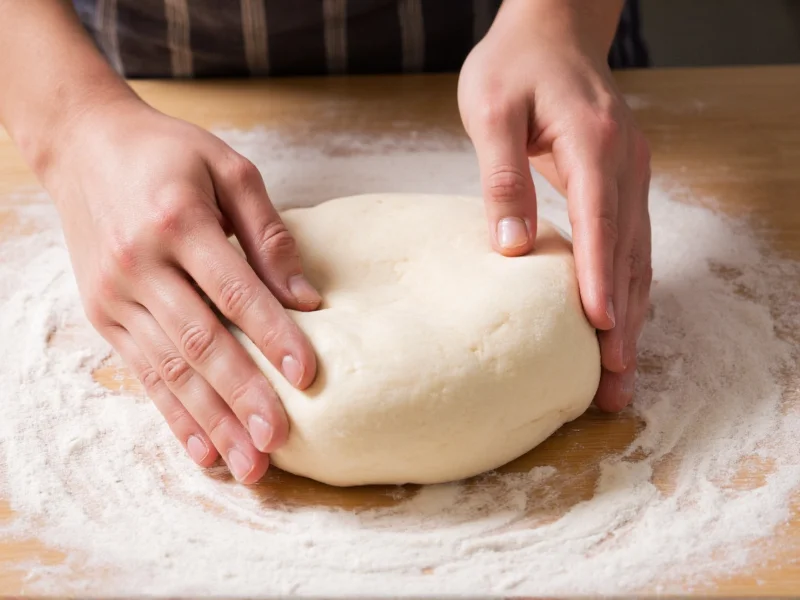
2. Kneading & First Rise (2 hours)
- Add yeast, salt, and honey to autolysed dough
- Knead 10 minutes until smooth and passes "windowpane test"
- Cover bowl; rise at 75°F until doubled (68-72% humidity ideal)
Critical insight: Temperature controls fermentation speed. For deeper flavor, refrigerate dough 12-18 hours after first rise.
3. Shaping & Final Proof (90 mins)
Avoid Common Shaping Mistakes
- Mistake: Over-flouring surface → dry crust
- Solution: Use bench scraper; minimal rice flour dusting
- Mistake: Uneven tension → misshapen loaf
- Solution: Rotate dough clockwise while tucking seams
4. Baking for Perfect Crust (35 mins)
Preheat Dutch oven at 450°F for 45 minutes. Score loaf deeply (1/2"), then bake covered 25 mins. Uncover, reduce heat to 400°F for final 10 minutes. The steam environment creates professional oven spring.
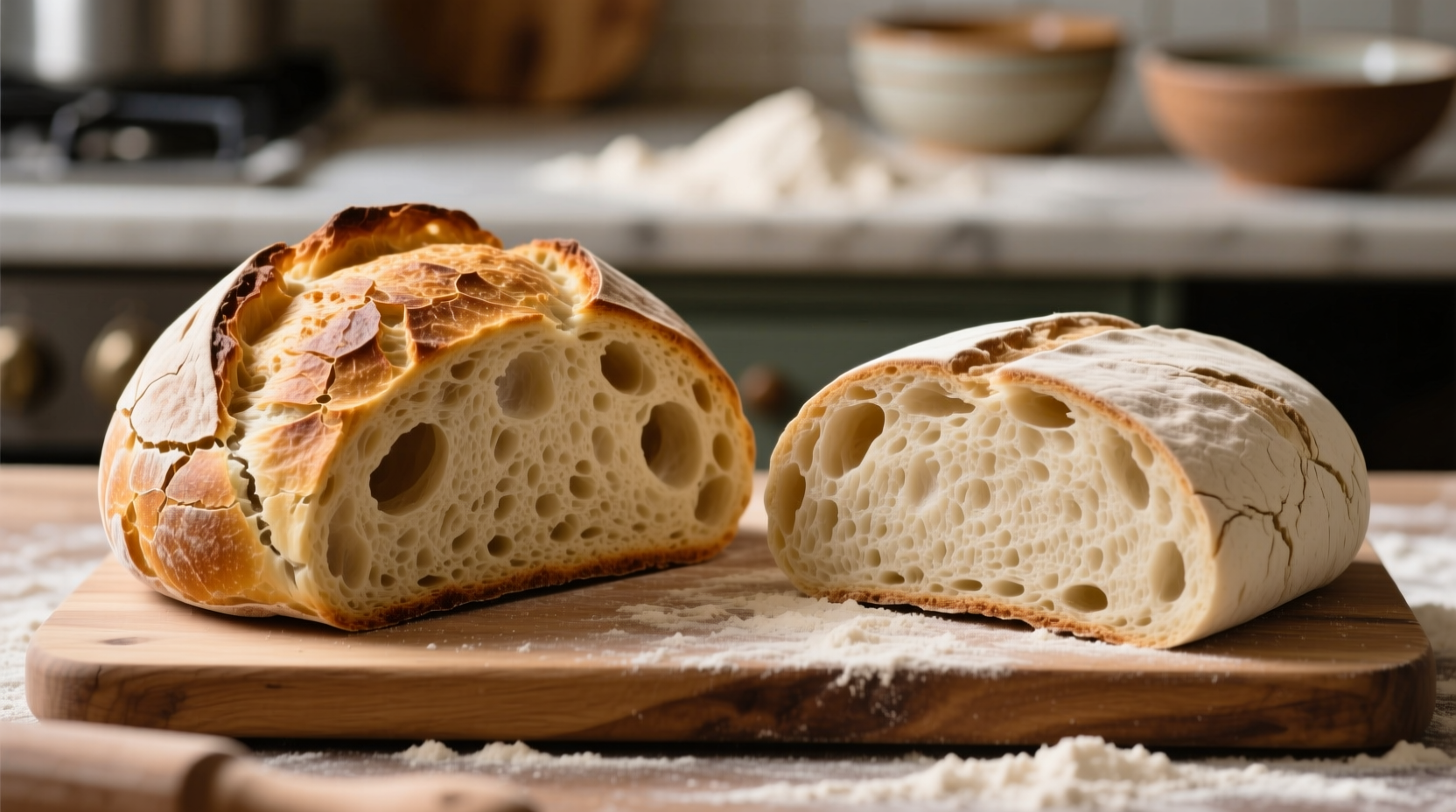
Troubleshooting Your Bread Loaf
Even experienced bakers face issues. Here's how to fix them:
| Problem | Root Cause | Solution |
|---|---|---|
| Dense, heavy crumb | Underproofed or old yeast | Extend final proof by 20-30 mins; test yeast viability |
| Collapsed center | Overproofed or weak gluten | Reduce proof time; strengthen dough with stretch/folds |
| Pale, soft crust | Insufficient steam or low oven temp | Bake covered longer; verify oven calibration |
Creative Variations to Try
- Seeded loaf: Add 3 tbsp each sunflower/pumpkin seeds during mixing
- Herb & garlic: Fold in 2 minced garlic cloves + 2 tbsp rosemary after first rise
- Whole wheat: Substitute 30% bread flour with white whole wheat flour
Enjoy Your Masterpiece
Let your homemade bread loaf cool completely on a wire rack before slicing—this prevents gummy texture. Store cut-side down on wooden board for 3 days, or freeze slices for quick toast. Nothing compares to tearing into bread you created with your own hands. Share your baking journey using #PerfectLoafJourney!
Frequently Asked Questions
Can I make this bread loaf without a Dutch oven?
Yes! Place a metal pan on the oven's bottom rack during preheating. Pour 1 cup boiling water into it when loading the bread for steam. Use a baking stone or inverted sheet pan for bottom heat.
Why does my bread loaf collapse when I score it?
This indicates overproofing. The gluten structure has weakened from excessive rising. Reduce final proof time by 15-20 minutes. The dough should spring back slowly when gently poked.
How do I get a thicker, crunchier crust?
Extend uncovered baking time by 5 minutes at 375°F. For extra crunch, brush loaf with water before final bake. Avoid storing in plastic bags—use linen bread bags or paper bags instead.
Can I use instant yeast instead of active dry?
Absolutely. Use 25% less instant yeast (5.5g instead of 7g) and mix directly with dry ingredients. No activation step needed. Instant yeast provides more consistent results in cool kitchens.





 浙公网安备
33010002000092号
浙公网安备
33010002000092号 浙B2-20120091-4