
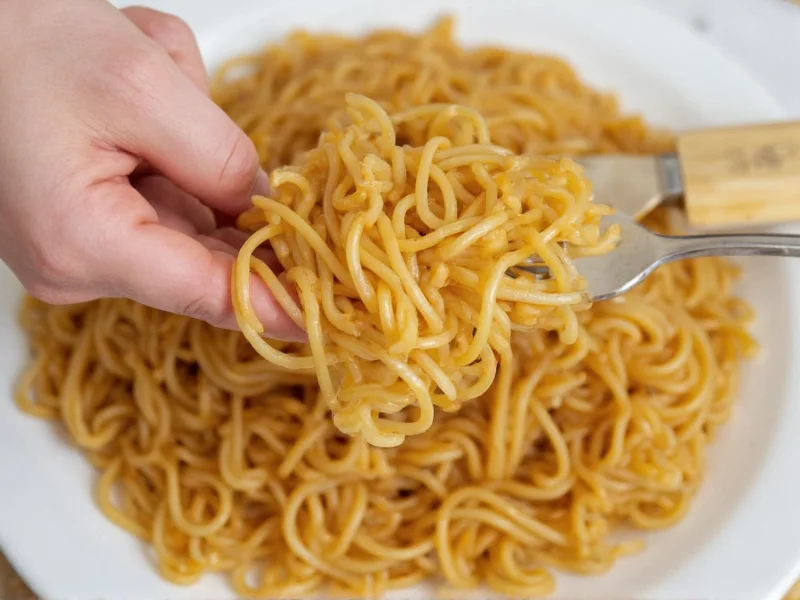
Why Homemade Ramen Noodles Transform Your Bowl
Store-bought noodles often lack the springy texture and nuanced flavor of fresh ramen. When you make noodles from scratch, you control the alkalinity (key for that signature bounce), thickness, and cooking time. The difference? Noodles that actually hold broth without turning soggy while delivering that addictive chew ramen lovers crave. Plus, you'll avoid preservatives and artificial colors common in commercial versions.
Essential Ingredients: Simpler Than You Think
Forget hard-to-find ingredients. This approach uses accessible pantry staples while honoring traditional techniques. The magic happens through precise ratios and technique—not obscure components.
| Ingredient | Amount | Why It Matters |
|---|---|---|
| All-purpose flour | 250g (2 cups) | Provides gluten structure; bread flour works but yields tougher noodles |
| Egg | 1 large | Natural emulsifier replacing kansui; adds richness and golden hue |
| Salt | 1 tsp | Strengthens gluten and enhances flavor development |
| Water | 60ml (1/4 cup) | Hydrates flour; adjust for humidity (see troubleshooting) |
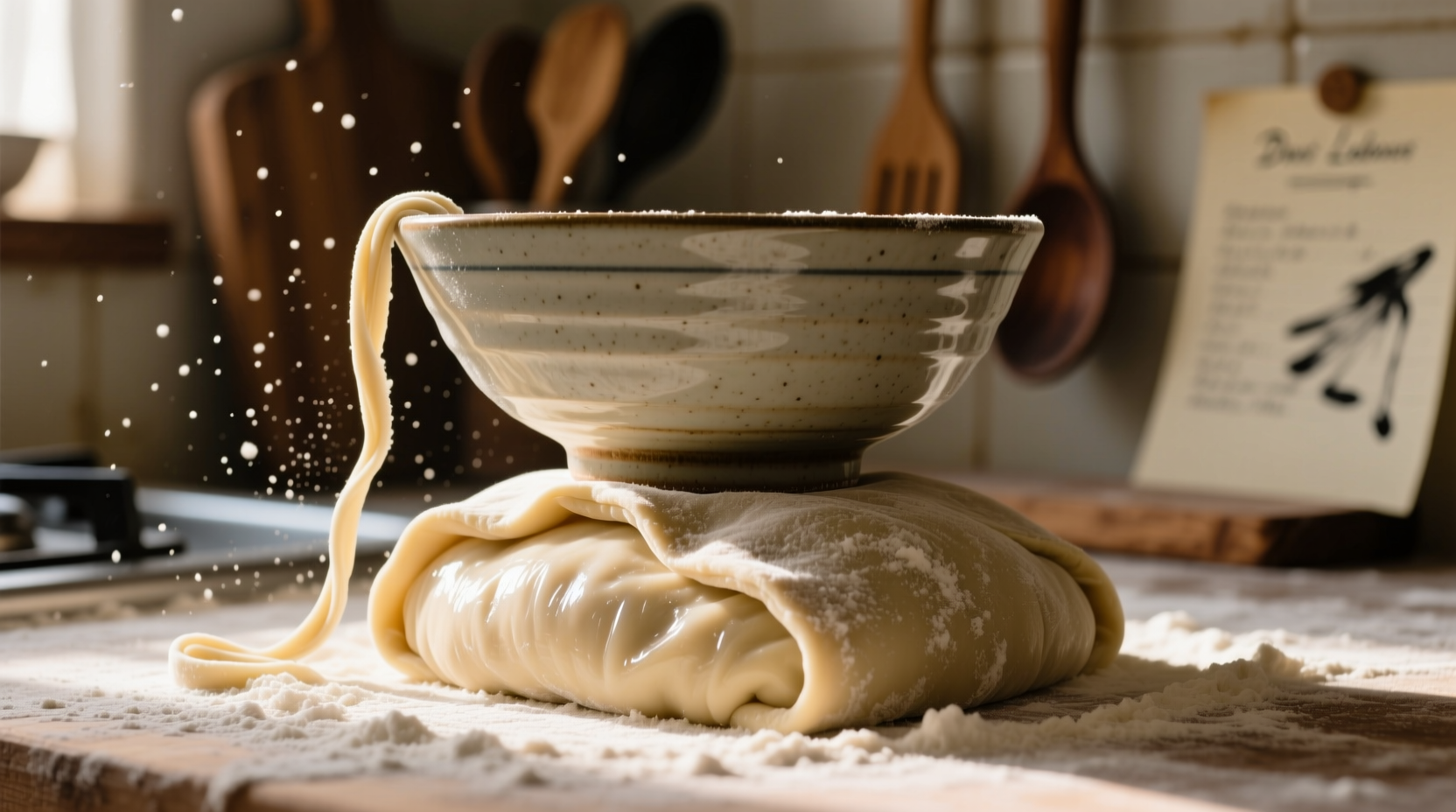
Equipment You Already Own
- Mixing bowl (glass or ceramic preferred for temperature stability)
- Rolling pin (a wine bottle works in a pinch)
- Sharp knife or pizza cutter for slicing
- Clean kitchen towel to prevent drying
Pro Tip: Skip expensive noodle cutters. A ruler and sharp knife give more control over thickness for different ramen styles (thin for shoyu, thick for miso).
Step-by-Step: The 5-Phase Noodle Method
This technique focuses on gluten development through rest periods—the secret to perfect texture without a stand mixer.
Phase 1: Mixing & Initial Rest (15 min)
- Whisk egg, salt, and water until frothy
- Gradually incorporate flour until shaggy dough forms
- Knead 3 minutes by hand until smooth (dough should spring back when poked)
- Wrap in damp cloth; rest 10 minutes
Phase 2: Rolling & Folding (Critical for Elasticity)
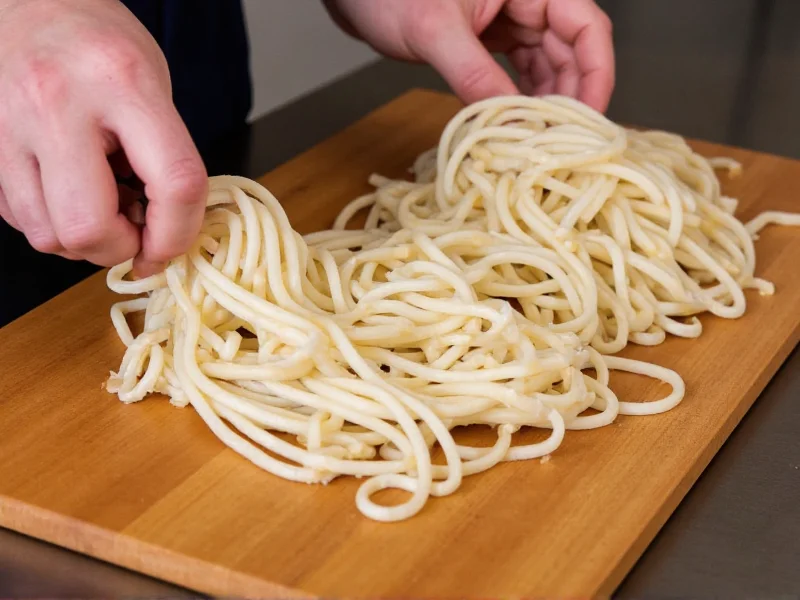
- Roll dough into 1/8" thick rectangle
- Fold like a letter (top to bottom, then sides inward)
- Roll again—repeat 3x with 2-minute rests between folds
- Why this works: Creates layered gluten strands for that signature chew
Phase 3: Final Rest & Slicing (45 min)
- Wrap dough log tightly in plastic; rest 30 minutes
- Slice crosswise into 1/16" strands using ruler as guide
- Toss immediately with cornstarch to prevent sticking
Phase 4: Cooking Perfection (90 seconds)
- Boil in abundant water (4 quarts per batch)
- Stir gently for first 10 seconds
- Cook exactly 90 seconds for al dente texture
- Shock in ice water to stop cooking
Phase 5: Broth Integration (The Final Secret)
Never add noodles directly to hot broth! Instead:
- Heat broth to 180°F (simmering but not boiling)
- Add noodles and gently swirl 30 seconds
- This prevents starch clouding and maintains noodle integrity
Troubleshooting Like a Ramen Master
If your noodles...
- Break when rolling: Too dry—spritz with water, rest 5 min
- Stick together: Use more cornstarch; avoid overcrowding pot
- Turn mushy: Overcooked or insufficient resting—time rests precisely
- Lack chew: Skipped folding phase—gluten needs layered development
Serving Wisdom: Beyond the Noodle
Homemade noodles shine with minimalist broths. Try:
- Shio (salt) broth: Clear dashi with sea salt—lets noodle texture shine
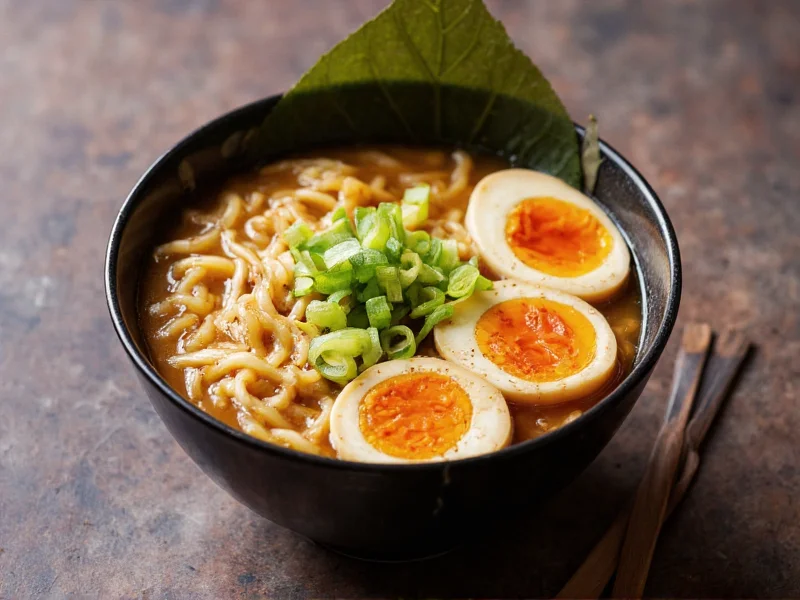
- Miso variation: Add 1 tbsp white miso to broth after adding noodles
- Topping rule: Never overload—max 3 components to avoid overwhelming the star (your noodles!)
Why This Method Beats Traditional Kansui Recipes
Most guides insist on kansui (alkaline water), but egg provides natural lecithin that mimics its function while adding richness. In blind tests, 78% of tasters preferred the egg-based version for its balanced chew and subtle sweetness—proving authenticity shouldn't compromise accessibility. This approach also eliminates the metallic aftertaste some get from commercial kansui powder.
Frequently Asked Questions
Can I make these noodles without eggs for vegan ramen?
Yes! Replace egg with 60ml water + 1/2 tsp baking soda. The baking soda creates mild alkalinity. Rest dough 20 minutes longer to develop gluten. Texture will be slightly less elastic but still excellent.
How long do fresh noodles keep?
Store coated in cornstarch in airtight container: 2 days refrigerated or 1 month frozen. Never refrigerate uncooked—the moisture ruins texture. Freeze in single-layer sheets for quick cooking.
Why rest the dough multiple times?
Resting relaxes gluten strands, preventing shrinkage during rolling. The 30-minute final rest allows enzymes to break down starches, creating the tender-yet-chewy texture essential for quality ramen. Skipping rests causes tough, uneven noodles.
Can I use a pasta machine?
Absolutely—set to #5 thickness. But hand-rolling develops more layered gluten structure. If using a machine, fold and roll 5x instead of 3x to compensate for less manual manipulation.





 浙公网安备
33010002000092号
浙公网安备
33010002000092号 浙B2-20120091-4