
Build a safe, effective yellow jacket trap in 10 minutes using a 2-liter bottle and household ingredients. This proven method eliminates stinging pests without chemicals while protecting beneficial insects—ideal for patios, gardens, and picnic areas.
Why Yellow Jackets Demand Smart Trapping
Yellow jackets aren't just annoying—they're aggressive predators that sting repeatedly when threatened. Unlike bees, they seek protein in spring (for larvae) and sugar in late summer (for energy), making them dangerous near food and play areas. But here's the critical insight: trapping near nests backfires. Disturbing colonies triggers mass attacks. Smart trapping means luring them away from human zones using science-backed baits.
Yellow Jacket Behavior Decoded
- Peak aggression: August-October when colonies max out
- Sugar craving: Late summer (use sweet baits)
- Protein focus: Spring/early summer (use meat/fish)
- Nest locations: Ground holes, wall cavities, tree stumps
Safety First: Non-Negotiable Precautions
Skipping safety steps risks severe stings. Follow these rules:
| Do Immediately | Never Do |
|---|---|
| Wear long sleeves/pants at dawn/dusk | Set traps near nests or high-traffic zones |
| Place traps 20+ feet from doors/patios | Use glass containers (shards risk) |
| Check traps every 48 hours | Swat at trapped insects (releases alarm pheromones) |
Your 3-Ingredient Trap: Step-by-Step
This modified bottle design prevents escapes—unlike basic funnel traps. Success hinges on precise bottle modification and seasonal bait selection.
Materials Checklist
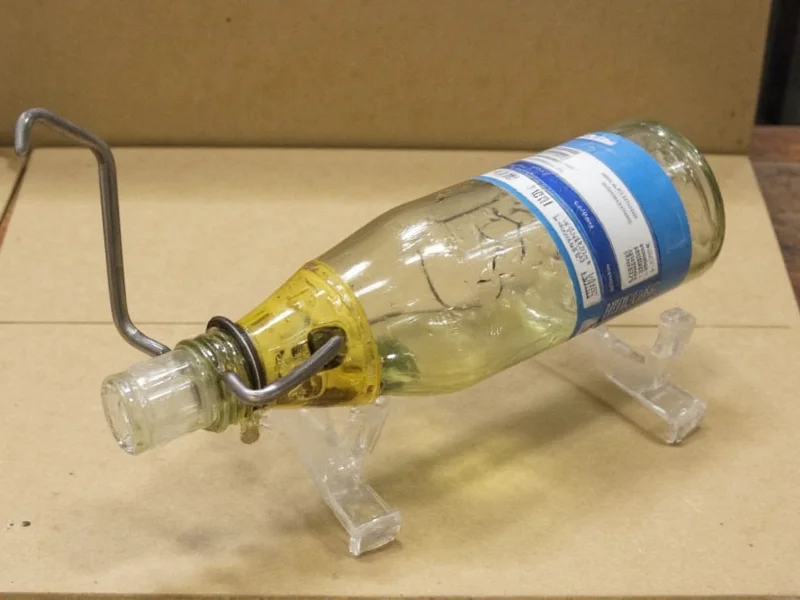
- Clean 2-liter plastic bottle (soda/water)
- Box cutter or sharp scissors
- Duct tape (weatherproof)
- Bait (see seasonal recipes below)
- Hanging cord or wire
Construction Guide
- Cut the bottle: Slice 4 inches below the neck. Keep the funnel-shaped top.
- Invert the top: Place it inside the base like a funnel (spout down).
- Seal the seam: Wrap duct tape tightly around the joint—no gaps!
- Add bait: Pour 1.5 inches of liquid bait (see recipes).
- Hang strategically: Suspend 3-4 feet high in shaded areas, 20+ feet from human zones.

Seasonal Bait Science: Why Generic Recipes Fail
Most online traps use year-round sugar baits—wasting effort in spring. Yellow jacket diet shifts are key:
Spring/Early Summer Protein Bait
Mix 1 cup water + 2 tbsp canned tuna/cat food + 1 tsp dish soap. The soap breaks surface tension so insects drown faster. Replace every 2 days.
Late Summer/Fall Sugar Bait
Combine 1 cup apple cider vinegar + ¼ cup sugar + 1 ripe banana slice + 1 tsp dish soap. Fermentation mimics rotting fruit—yellow jackets' late-season obsession.
Pro Placement & Maintenance Tactics
Location determines 80% of success. Avoid these costly errors:
- Mistake: Placing near doors/patios → Solution: Hang traps at property edges
- Mistake: Using stagnant bait → Solution: Refresh liquid every 48 hours (heat spoils faster)
- Mistake: Ignoring weather → Solution: Bring traps indoors during heavy rain
Check traps at dawn when yellow jackets are least active. To dispose: Freeze the bottle overnight (kills insects humanely), then seal in a bag before trash disposal.
When to Call Professionals
DIY traps work for foraging insects—but never attempt nest removal. Call pest control if:
- You see >20 yellow jackets/hour near a structure
- Nests are inside walls or underground near play areas
- Anyone has allergy risks (anaphylaxis requires epinephrine)
FAQ: Yellow Jacket Trap Essentials
How soon will the trap catch yellow jackets?
Most traps show results within 24-48 hours during peak season. Success depends on proper bait selection for the current season and strategic placement away from human activity zones.
Can I use this trap for wasps or hornets?
Yes, this design works for paper wasps and European hornets. However, yellow jackets require specific seasonal baits—protein-based in spring, sugar-based in late summer—unlike other stinging insects.
Why add dish soap to the bait?
Dish soap reduces water's surface tension, causing insects to sink and drown immediately upon contact. Without it, yellow jackets can escape after landing—reducing trap effectiveness by up to 70%.
Will this trap harm beneficial bees?
Properly placed traps with seasonal baits rarely attract honeybees. Yellow jackets seek protein in spring (bees ignore meat) and fermented sugar in fall (bees prefer fresh nectar). Place traps away from flowering plants to be safe.





 浙公网安备
33010002000092号
浙公网安备
33010002000092号 浙B2-20120091-4