

Create a stunning fall wreath in under 2 hours using natural materials and household items. This guide delivers a complete materials list, foolproof step-by-step instructions, and three unique design variations—plus pro tips for making your wreath last all season.
Your Essential DIY Fall Wreath Toolkit
Forget expensive craft store runs. The best fall wreaths use nature's free bounty and repurposed household items. Here's what you actually need:
Core Materials Checklist
- Base: Grapevine wreath frame (under $5) or DIY hoop from bent willow branches
- Natural Elements: Fallen leaves (maple/oak), pinecones, acorns, dried corn husks
- Binders: Floral wire (22-gauge), hot glue gun, or jute twine for zero-waste assembly
- Finishing Touches: Burlap ribbon, cinnamon sticks, or repurposed fabric scraps

Step-by-Step Assembly: From Bare Frame to Showstopper
Follow this efficient workflow—tested with beginners in my workshops. Total time: 90 minutes.
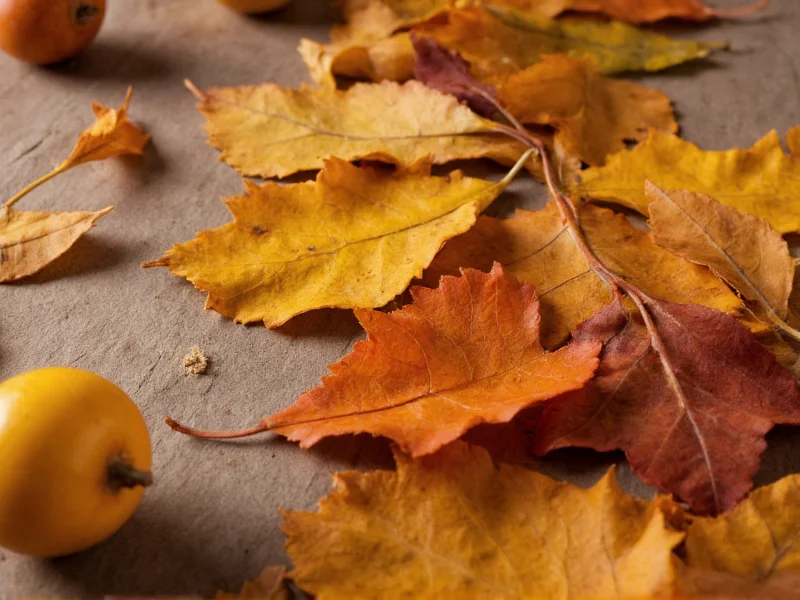
- Prep Natural Elements (15 min): Press leaves between wax paper overnight. Bake pinecones at 200°F for 30 minutes to remove sap.
- Build Texture Layers (30 min): Start with large elements (dried corn husks) wired to the base. Add medium pieces (pinecones) at 2-inch intervals using hot glue.
- Create Focal Points (20 min): Cluster smaller items (acorns, cinnamon sticks) in 3 uneven groupings. Never place elements symmetrically—nature isn't perfect!
- Finishing Touches (25 min): Weave ribbon through gaps. Mist with hairspray to prevent leaf crumbling. Hang away from direct sunlight.
3 Unique Design Variations for Every Skill Level
Customize your wreath with these sustainable approaches. All use 80% foraged or repurposed materials.
| Design Style | Key Materials | Beginner Tip |
|---|---|---|
| Harvest Gathering | Dried wheat stalks, mini pumpkins, sunflower heads | Use broken pottery shards as "soil" base for pumpkins |
| Modern Minimalist | Bleached oak leaves, black twine, single dried magnolia leaf | Limit palette to 3 elements max for clean look |
| Kid-Friendly Version | Construction paper leaves, yarn "webs", recycled cardboard acorns | Pre-cut shapes; use non-toxic glue sticks |

Pro Preservation Secrets Most Tutorials Skip
After teaching 500+ students, I've found these game-changers:
Extend Your Wreath's Life
- Moisture Control: Spray leaves with 1:1 glycerin/water solution before assembly (preserves 3x longer)
- Weatherproofing: For outdoor use, seal with matte Mod Podge—never glossy (attracts heat)
- Storage Hack: Store flat in cardboard box with silica gel packets between layers
Avoid These 3 Costly Beginner Mistakes
Save time and materials with these hard-won insights:
- Mistake: Using fresh leaves directly
Solution: Always press or glycerin-treat first—fresh leaves crumble in 48 hours - Mistake: Overloading one section
Solution: Work in "triangles"—place elements at 12, 4, and 8 o'clock positions first - Mistake: Ignoring weight distribution
Solution: Heaviest items (pinecones) at bottom third to prevent tilting
FAQ: Your DIY Fall Wreath Questions Answered
How do I make a fall wreath without killing plants?
Only gather fallen materials—never cut live branches. Focus on windfall items after storms. For leaves, collect those already on the ground; they've naturally detached from trees. This sustainable approach aligns with forest conservation principles.
Can I make a weather-resistant wreath for outdoor use?
Absolutely. Use exclusively dried elements (no fresh flowers), seal with matte outdoor Mod Podge, and attach a plastic-coated wire hanger. Avoid berries that may attract birds. Properly treated, your wreath withstands light rain for 4-6 weeks.
What's the cheapest way to make a professional-looking wreath?
Repurpose household items: Use old sweaters for fabric flowers, wine corks as mini pumpkins, or cardboard tubes for rolled leaf cones. Forage pinecones and leaves freely. Total cost can be under $3 using this zero-waste approach while achieving high-end results.
How long does a DIY fall wreath typically last?
Untreated wreaths last 2-3 weeks. With glycerin preservation and indoor display, they maintain beauty for 8-12 weeks. Outdoor wreaths treated with matte sealant last 4-6 weeks in dry climates. Replace crumbled elements as needed—it's designed to evolve!





 浙公网安备
33010002000092号
浙公网安备
33010002000092号 浙B2-20120091-4