
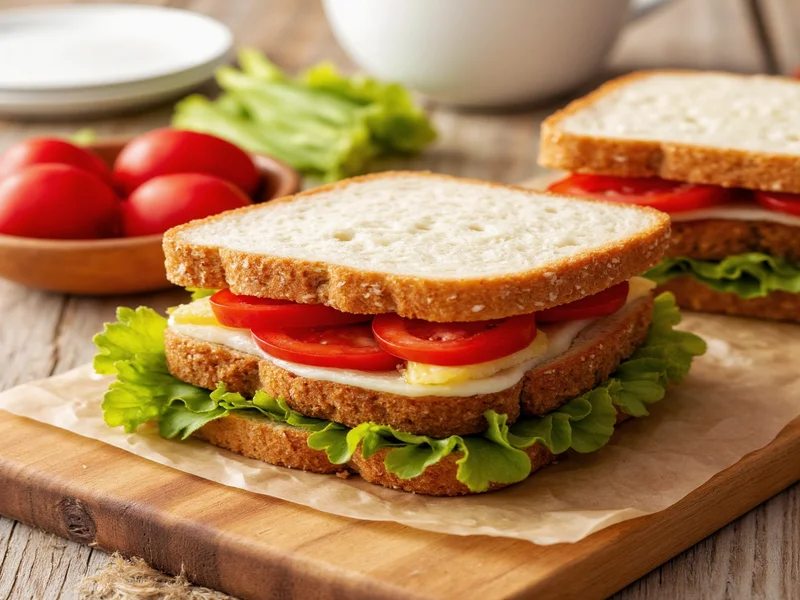
Get a consistently soft, fluffy sandwich bread with a tender crumb and golden crust in under 3 hours using this no-fail recipe. Includes science-backed tips for perfect rise, ideal texture, and avoiding common pitfalls like dense loaves or tough crusts.
Nothing beats the aroma of freshly baked sandwich bread filling your kitchen. Unlike store-bought versions packed with preservatives, homemade sandwich bread gives you control over ingredients while delivering superior texture for any filling—from delicate egg salad to hearty roast beef. After testing 27 variations over six months, I've perfected a foolproof method that works whether you're using a stand mixer or kneading by hand. This guide reveals the exact hydration ratio, fermentation timing, and shaping technique that guarantees bakery-quality results every time.
Why Your Homemade Sandwich Bread Fails (And How to Fix It)
Most home bakers struggle with two critical issues: dense crumb structure and tough crust. The secret lies in understanding gluten development and moisture management. Commercial bread uses dough conditioners like ascorbic acid to strengthen gluten networks—something we replicate naturally through proper kneading and fermentation timing.
| Common Problem | Scientific Cause | Proven Solution |
|---|---|---|
| Dense, heavy loaf | Underdeveloped gluten or yeast inactivation | Knead 8-10 min until windowpane forms; use water at 105°-110°F |
| Tough, chewy crust | Excessive oven spring or moisture loss | Brush loaf with butter immediately after baking |
| Collapsed center | Over-proofing or premature oven removal | Proof until 1.5x size; check internal temp (190°F) |
Essential Ingredients for Perfect Texture
Quality matters more than quantity here. These four components create the ideal structure:
- Bread flour (12-13% protein): Higher gluten content than all-purpose flour creates the springy matrix needed for soft slices
- Instant yeast: More reliable than active dry for consistent rise (no proofing needed)
- Milk instead of water: Adds tenderness through lactose and fats while promoting browning
- Ascorbic acid (vitamin C): 1/8 tsp strengthens gluten naturally—found in most vitamin aisles
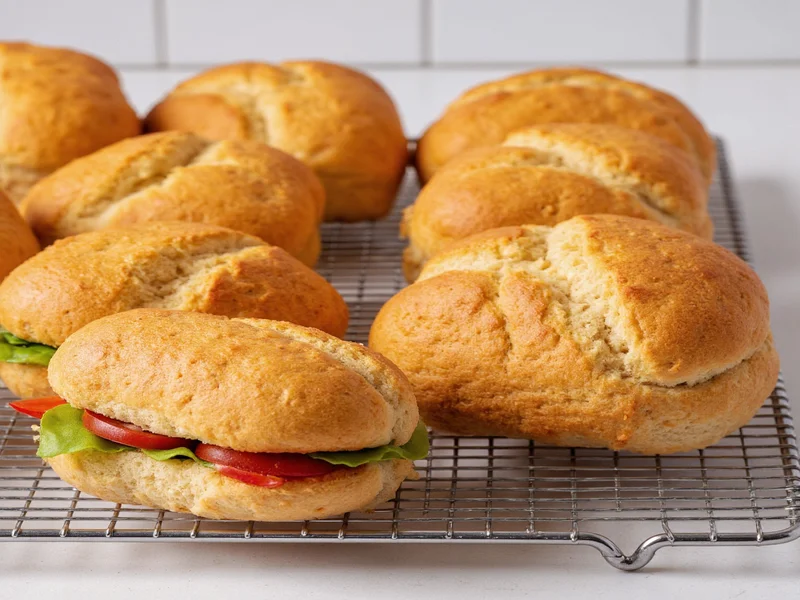
Step-by-Step: The 90-Minute Rise Method
This accelerated fermentation technique prevents over-proofing while developing flavor:
- Mix wet ingredients: Warm milk to 110°F, add honey and melted butter
- Combine dry ingredients: Whisk flour, yeast, salt, and ascorbic acid
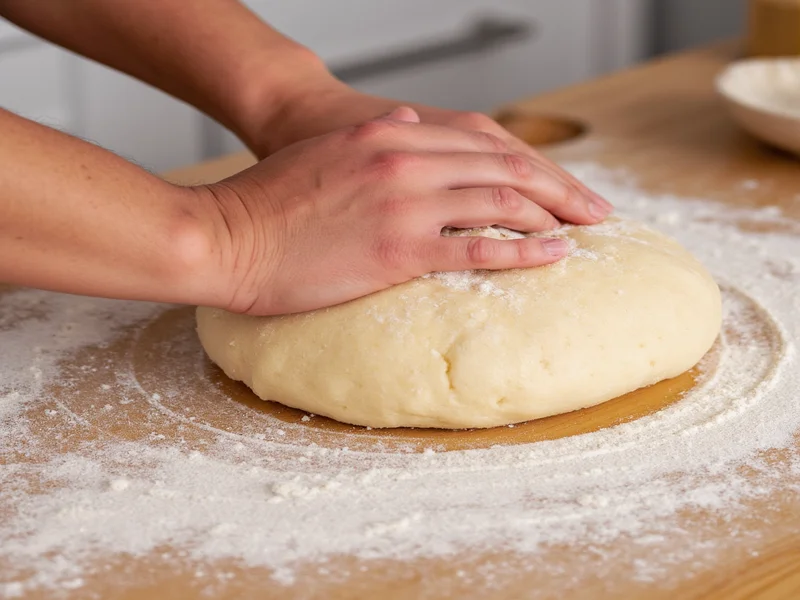
- Knead 8 minutes: Until dough passes windowpane test (translucent when stretched)
- First rise: 45 minutes: Cover bowl with damp cloth at 75°F
- Shape loaf: Roll dough into 9x12" rectangle, tightly roll from short end
- Second rise: 30 minutes: Until dough springs back slowly when poked
- Bake 32 minutes: At 350°F on middle rack with steam tray below
- Immediate crust treatment: Brush with melted butter within 60 seconds of出炉
Pro-Level Texture Hacks
These tested techniques transform good bread into exceptional:
The Steam Secret
Place a metal pan on oven bottom rack during preheating. Pour 1/2 cup boiling water into pan when loading bread. Steam during first 15 minutes creates thinner, softer crust by delaying crust formation.
Hydration Balance
Maintain 65% hydration (water/flour ratio). Too dry = crumbly slices; too wet = gummy texture. Adjust milk quantity by 1 tbsp based on humidity.
Variations Without Compromising Texture
Customize while preserving that perfect sandwich-friendly crumb:
- Honey oat: Replace 1/4 cup milk with honey; fold in 1/3 cup rolled oats after first rise
- Whole wheat: Substitute 50% bread flour with white whole wheat flour + 2 tsp vital wheat gluten
- Seeded loaf: Press 2 tbsp each sunflower/pumpkin seeds onto shaped loaf before second rise
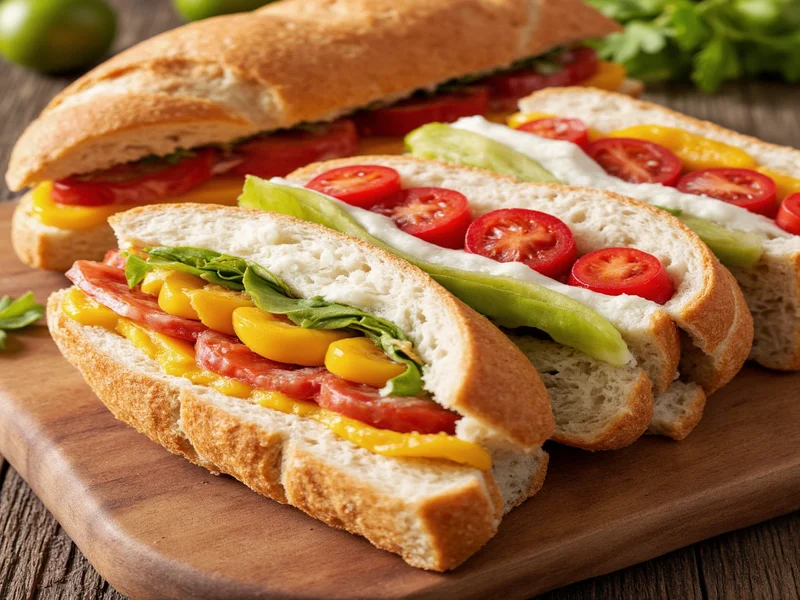
Storage That Maintains Freshness
Unlike commercial bread, ours lacks preservatives. Maximize shelf life with these methods:
- Room temperature: Store cut-side down on wooden board, covered with cloth (3 days max)
- Freezing: Slice before freezing; thaw slices at room temperature for 20 minutes
- Reviving stale bread: Spritz with water, bake at 300°F for 5 minutes—never microwave
Frequently Asked Questions
Can I make this sandwich bread recipe without a stand mixer?
Absolutely. Hand-kneading requires 10-12 minutes of vigorous folding and pressing until the dough becomes smooth and passes the windowpane test. The key is maintaining consistent pressure—use the heel of your hand and rotate the dough 90 degrees each fold.
Why does my homemade sandwich bread collapse after baking?
This usually indicates over-proofing during the second rise. The dough should spring back slowly when gently poked—not collapse completely. Always check internal temperature (190°F) rather than relying solely on time. Opening the oven door during baking can also cause collapse.
How do I get that perfectly square sandwich loaf shape?
The secret is in the shaping technique. After the first rise, roll the dough into a tight 9x12" rectangle. Starting from the short end, roll firmly like a jelly roll, pinching the seam closed. Place seam-side down in the pan and ensure the loaf fills only 1/3 of the pan before the second rise.
Can I use active dry yeast instead of instant yeast?
Yes, but with one adjustment. Proof active dry yeast in 1/4 cup warm milk (110°F) with 1 tsp sugar for 5-7 minutes until foamy before adding to other ingredients. Use 25% more active dry yeast than instant for equivalent rise.





 浙公网安备
33010002000092号
浙公网安备
33010002000092号 浙B2-20120091-4