

Why Build Your Own Easel Instead of Buying?
Commercial easels often cost $50-$200 while limiting customization. When I transformed pallet wood into my studio easel, I gained three critical advantages:
Cost Efficiency
- Reclaimed lumber: $0 (local businesses often give away pallets)
- Hardware store basics: $15-$22 total
- Saves 70-85% versus retail easels
Customization Freedom
- Adjust height range for seated/standing work
- Modify canvas size capacity (up to 48" canvases)
- Add specialized features like supply trays
Sustainability Impact
- Diverts 15-20 lbs of wood from landfills per easel
- Eliminates shipping emissions from factory production
- Creates heirloom-quality piece with reclaimed character
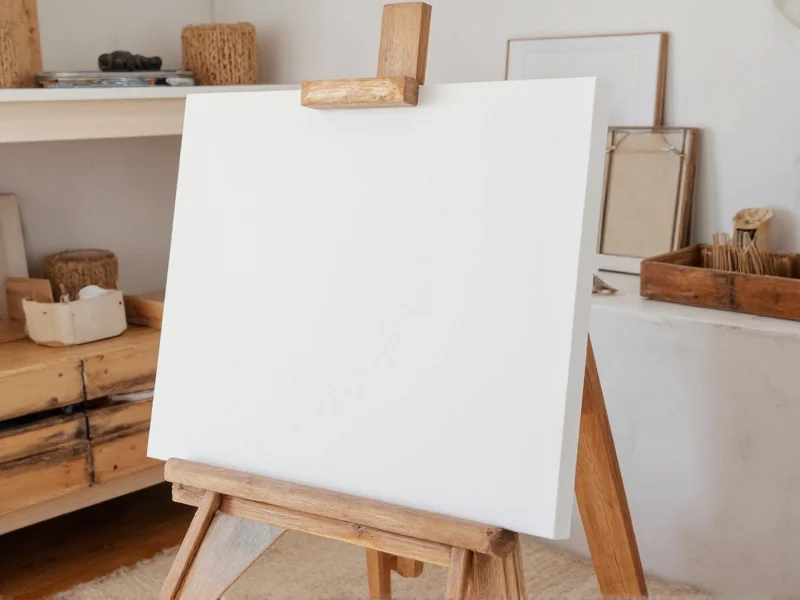
Planning Your Perfect DIY Easel Design
Before cutting wood, consider these professional design factors most tutorials overlook:
| Easel Type | Best For | Build Time | Stability Rating |
|---|---|---|---|
| A-Frame | Beginners, small spaces | 2-3 hours | ★★★☆☆ |
| H-Frame | Large canvases, professional use | 4-5 hours | ★★★★★ |
| Tabletop | Kids, watercolor artists | 1-2 hours | ★★☆☆☆ |
Pro Tip: For first-time builders, I recommend the H-frame design. Its triangular bracing handles heavy canvases without wobble—a critical factor many DIY guides ignore. Measure your largest intended canvas first, then add 6" clearance on all sides.
Materials & Tools Checklist
This budget-friendly list uses hardware store basics with reclaimed wood alternatives:
- Wood: 2x2 lumber (8ft lengths) or reclaimed pallet wood (sanitize with vinegar solution)
- Hardware: 2" wood screws, 3/8" carriage bolts with wing nuts, 1" casters (optional)
- Tools: Tape measure, speed square, drill, sander, level
- Safety: Eye protection, work gloves, dust mask
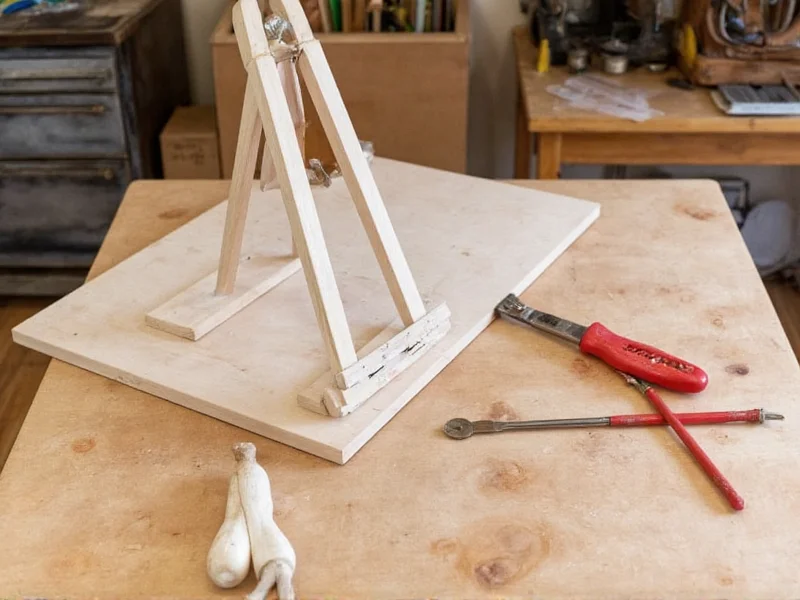
Step-by-Step Construction Guide
Follow these professional woodworking techniques for a wobble-free result:
Step 1: Precision Cutting (The Stability Secret)
Cut legs at 15° angles using a miter saw—this creates the critical triangular base. Most DIY failures happen here due to uneven cuts. Measure twice, cut once:
- Legs: 72" long (adjust for height preference)
- Top crossbar: 24"
- Canvas support: 28"
Step 2: Reinforced Joint Assembly
Drill pilot holes then use two 3" screws per joint with wood glue. This prevents splitting in reclaimed wood. The key stability upgrade? Add triangular gussets at all corners using 1/4" plywood scraps.
Step 3: Adjustable Height Mechanism
Drill 1/2" holes every 2" along inner legs. Insert carriage bolts through canvas support crossbar. Wing nuts allow instant height changes without tools—superior to rope systems that stretch.
Step 4: Final Stability Test
Place on level surface. Apply 10 lbs of pressure to canvas ledge. If movement exceeds 1/4", add diagonal braces between legs. Properly built, your DIY easel should hold 25+ lbs without shifting.
Pro Customization Upgrades
Elevate your basic build with these professional artist enhancements:
- Rolling Base: Attach 2 locking casters to rear legs for studio mobility
- Supply Tray: Mount 1x6 board 18" below canvas ledge using L-brackets
- Kid-Proof Version: Reduce height to 36", use rounded corners, non-toxic finish
- Outdoor Ready: Seal with marine varnish for plein air painting
Troubleshooting Common Issues
Solve these frequent DIY easel problems before they ruin your painting session:
Wobbly Base
Cause: Uneven leg lengths or loose joints
Solution: Shim shorter legs with cardboard, then reinforce joints with corner braces
Sticking Height Adjustment
Cause: Wood swelling around bolts
Solution: Rub candle wax on bolts before insertion
Canvas Slippage
Cause: Smooth ledge surface
Solution: Glue rubber shelf liner to canvas support

FAQ: DIY Easel Essentials
Can I build a sturdy DIY easel without power tools?
Yes. Use hand saws and a manual drill. Focus on precise measurements—reclaimed wood requires more careful joint alignment. Allow 20% extra build time for manual adjustments.
What's the minimum wood thickness for a stable easel?
1.5" thickness is critical for load-bearing parts. Thinner wood flexes under canvas weight. Reclaimed pallet wood often meets this if you select solid deck boards over stringers.
How do I prevent wood splintering when drilling?
Place scrap wood under drilling points, use sharp brad-point bits, and drill at slow speed. For reclaimed wood, pre-treat with wood hardener on soft spots before drilling.
Can this support heavy oil paintings?
Absolutely. The H-frame design with triangular bracing holds 30+ lbs. For heavy works, add a center support leg and use 2.5" screws in all critical joints instead of 2".




 浙公网安备
33010002000092号
浙公网安备
33010002000092号 浙B2-20120091-4