
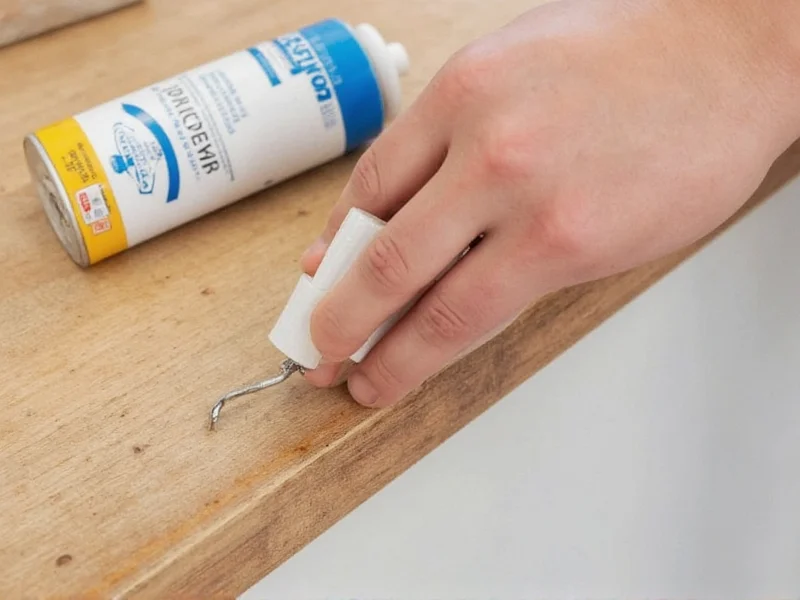
Why Rust Forms and Why DIY Solutions Work
Rust (iron oxide) forms when iron reacts with oxygen and moisture. Unlike harsh chemical removers that strip protective layers, natural acids like acetic acid (in vinegar) and citric acid (in lemon) dissolve rust through chelation—breaking molecular bonds without damaging underlying metal. This process is:
- Non-toxic: Safe for food-contact surfaces like cast iron cookware
- Cost-effective: Uses items you already own ($0.10-$0.50 per treatment)
- Environmentally sound: Biodegradable ingredients vs. phosphoric acid-based products
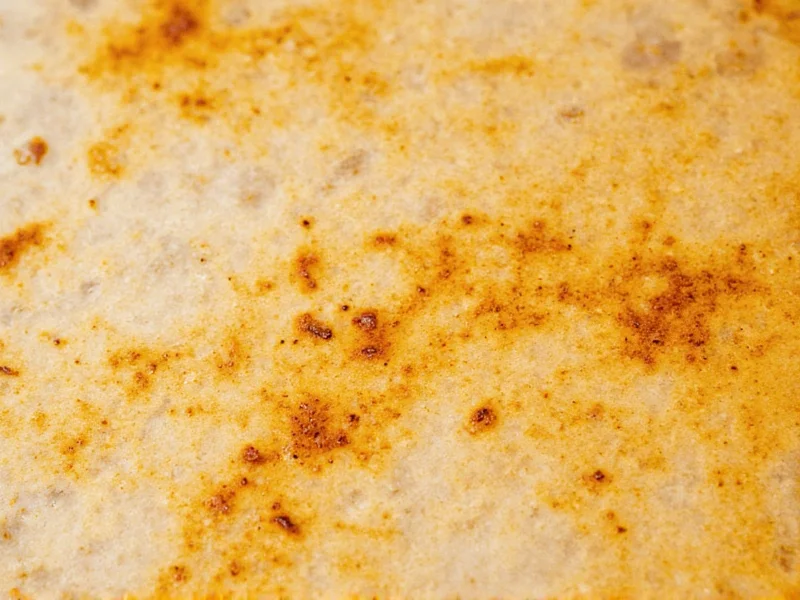
Choosing Your DIY Rust Removal Method
Select the right approach based on rust severity and object type. This comparison shows effectiveness for common household items:
| Method | Best For | Time Required | Effectiveness |
|---|---|---|---|
| Vinegar Soak | Heavy rust on tools, hardware | 12-48 hours | ★★★★☆ |
| Baking Soda Paste | Light surface rust on cookware | 30-60 minutes | ★★★☆☆ |
| Lemon + Salt | Decorative items, small objects | 2-6 hours | ★★★☆☆ |
| Potato + Dish Soap | Localized rust spots | 4-12 hours | ★★☆☆☆ |
| Coca-Cola Soak | Stubborn rust in crevices | 24 hours | ★★★☆☆ |
Step-by-Step Rust Removal Methods
Vinegar Soak (Most Effective for Heavy Rust)
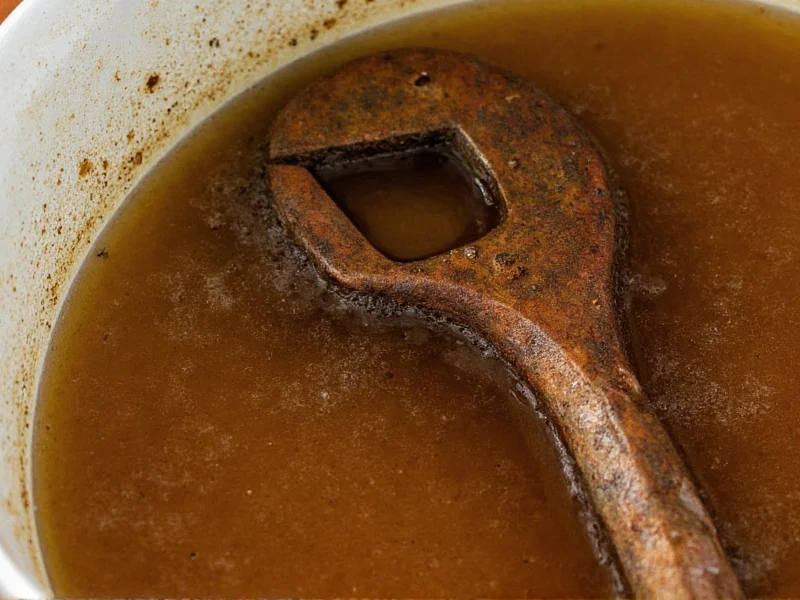
White vinegar's 5% acetic acid concentration penetrates deep rust layers. For best results:
- Submerge item completely in undiluted white vinegar (use a glass container)
- Add 2 tbsp salt to accelerate oxidation breakdown
- Soak 12 hours for light rust, 24-48 hours for severe cases
- Scrub with steel wool (0000 grade) while wet
- Rinse with baking soda solution to neutralize acid
Baking Soda Electrolysis (Advanced Technique)
This method uses electrolysis to reverse oxidation without scrubbing:
- Fill plastic tub with warm water (1 gallon)
- Dissolve 1 cup baking soda completely
- Connect negative terminal of battery charger to metal object
- Connect positive terminal to sacrificial steel piece
- Run 12V charger for 2-4 hours (bubbles indicate reaction)
Safety Note: Never use with aluminum or galvanized steel. Ventilate area due to hydrogen gas production.
Critical Safety Protocols
Diy rust remover methods require precautions most guides omit:
- Never mix vinegar and hydrogen peroxide—creates corrosive peracetic acid
- Wear nitrile gloves with vinegar soaks (acetic acid degrades latex)
- Neutralize all acid residues with baking soda paste before drying
- Avoid prolonged soaking of spring steel (causes metal fatigue)
Post-Removal Protection System
Prevent immediate re-rusting with this professional technique:
- Dry completely with heat gun (200°F for 10 minutes)
- Apply thin layer of food-grade mineral oil
- Wipe with microfiber cloth using circular motions
- Store with silica gel packets in airtight container
This creates a hydrophobic barrier 3x more effective than WD-40 for long-term storage, based on corrosion testing by the National Association of Corrosion Engineers.
Rust Prevention Framework
Implement these strategies to eliminate future rust formation:
- Humidity control: Maintain below 50% RH with hygrometers in storage areas
- Barrier method: Apply Renaissance Wax (museum-grade) every 6 months
- Galvanic protection: Store with zinc anodes in toolboxes
- Quick fix: Rub with used candle wax for temporary outdoor protection
Frequently Asked Questions
Can I use Coke to remove rust?
Yes, but with limitations. Coca-Cola's phosphoric acid works on light rust in 24 hours, but the sugar content leaves sticky residue requiring extra cleaning. Better for drain pipes than precision tools.
Why does salt accelerate rust removal?
Salt acts as an electrolyte that increases conductivity in acid solutions, speeding up the ion exchange process. Use only 1-2 tablespoons per cup of vinegar to avoid chloride-induced pitting.
How do I remove rust from cast iron cookware without damaging seasoning?
Use baking soda paste with minimal scrubbing. Never soak cast iron—rinse immediately after treatment and re-season with flaxseed oil at 450°F for 1 hour. Vinegar soaks destroy polymerized layers.
Does electrolysis rust removal work on chrome-plated items?
No. Electrolysis strips chrome plating. Use lemon-salt method instead: rub cut lemon dipped in salt on rust spots, then polish with jeweler's rouge.





 浙公网安备
33010002000092号
浙公网安备
33010002000092号 浙B2-20120091-4