
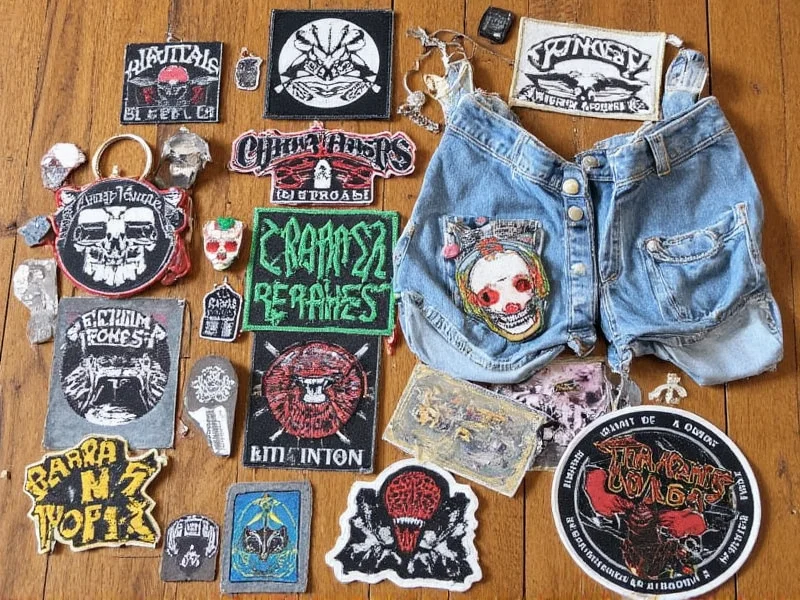
DIY patches let you repair, personalize, and upcycle clothing using scrap fabric—saving money and reducing waste. You'll learn five beginner-friendly methods requiring only household items, with no sewing machine needed. Transform worn garments into unique statement pieces in under 30 minutes.
Why DIY Patches Beat Store-Bought Fixes
Commercial patches often lack personality and create textile waste. When you make your own patches from fabric scraps, you gain three critical advantages:
- Sustainability boost: Repurpose fabric scraps instead of buying new materials
- Perfect customization: Match colors and textures to your exact garment
- Cost elimination: Use existing household items—zero investment required
Materials You Already Own (No Special Tools Needed)
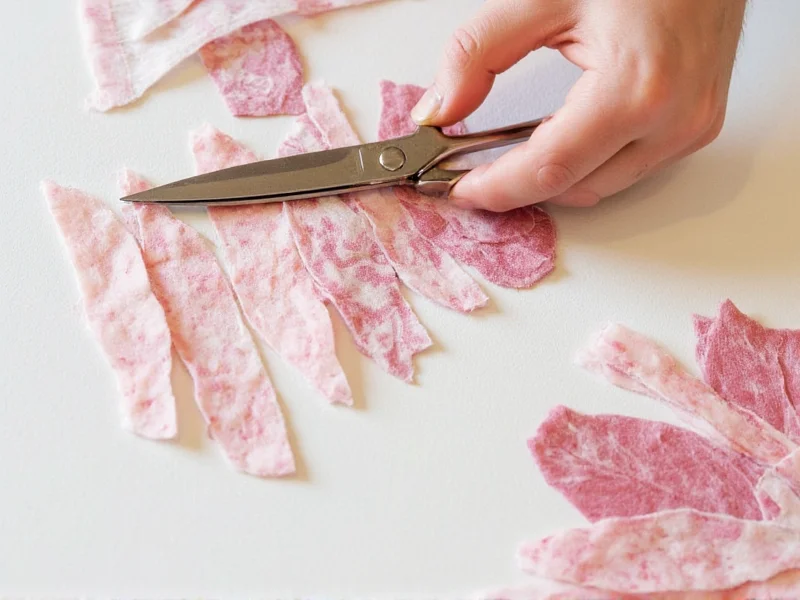
Forget expensive craft kits. These household items create professional-looking patches:
| Essential Item | Household Alternative | Creative Hack |
|---|---|---|
| Fabric scraps | Old t-shirts, worn-out jeans, pillowcases | Use contrasting linings from damaged garments |
| Fusible web | Plain white glue + parchment paper | Thin glue layer prevents stiffness |
| Embroidery hoop | Two rubber bands + jar lid | Maintains fabric tension for clean edges |
Five Foolproof Methods for Beginners
1. The Iron-On Hack (No Fusible Web)
Perfect for quick fixes on school uniforms or workwear:
- Trace your patch shape onto parchment paper
- Apply thin white glue layer to fabric scrap
- Press parchment-side down with hot iron for 15 seconds
- Peel off paper once cooled—creates instant adhesive backing
2. No-Sew Fabric Glue Technique
Ideal for stretchy fabrics like leggings:
- Use school glue mixed with 10% water for flexibility
- Apply glue ONLY to patch edges (prevents stiffness)
- Weight with books for 2 hours—no clamping needed
3. Hand-Stitching for Maximum Durability
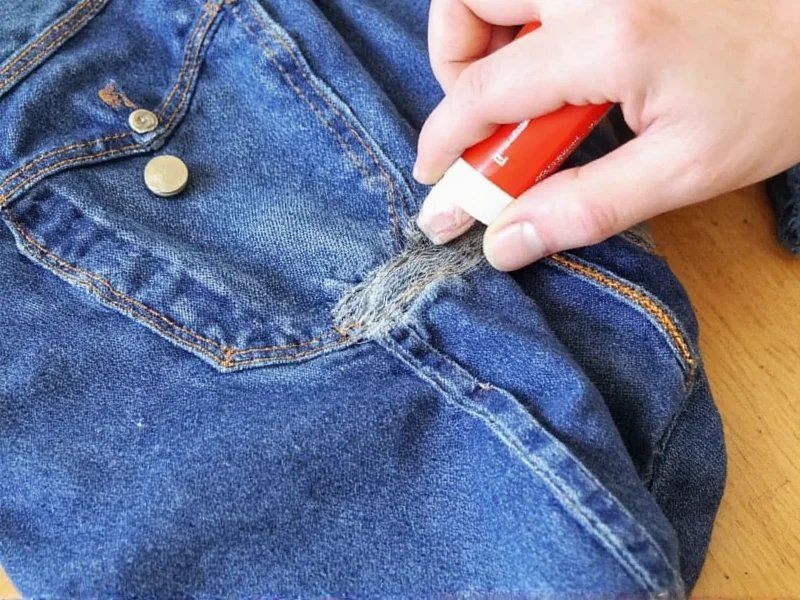
Best for high-stress areas like knees or elbows:
Pro Tip: Thread two needles on one thread for double-strength stitching. Use a 'ladder stitch' that disappears into fabric weaves—makes repairs nearly invisible.
Creative Design Strategies Beyond Basic Circles
Move past predictable shapes with these sustainable approaches:
Upcycled Denim Geometry
Cut triangles from faded jean pockets. Arrange in 'mountain range' patterns along jacket shoulders—creates dimension while hiding pocket seams.
Floral Motif from T-Shirt Scraps
Trace leaf shapes from actual plants onto cotton scraps. Layer petals with varying glue thicknesses to create 3D texture without embroidery.
Troubleshooting Common Patch Problems
Fix these issues before they ruin your project:
Fraying Edges
Solution: Dip edges in diluted white glue (1:3 glue:water). Air dry 10 minutes before application. Creates flexible 'seal' that moves with fabric.
Patch Peeling After Washing
Solution: Reinforce edges with 'invisible stitch'—thread matching sewing thread through patch edge and garment fabric without knotting. Creates mechanical bond stronger than glue alone.
Advanced Sustainability Hack: The Zero-Waste Patch System
Professional textile artists like Sofia Garcia use this method to eliminate all scrap:
- Collect fabric remnants in labeled containers by color/fiber
- Create 'patch templates' from worn garments (trace actual holes)
- Match templates to scraps—use every millimeter through strategic piecing
This approach transforms repair into creative design, turning flaws into intentional features. You'll never discard fabric again.
Frequently Asked Questions
Can I make waterproof patches for rain jackets?
Yes—use the iron-on hack with nylon scraps from old tents. Apply silicone seam sealer along edges after attachment. Test on hidden area first.
How do I remove old patch residue?
Place ice cube on residue for 2 minutes, then scrape gently with credit card edge. For stubborn glue, apply coconut oil, wait 5 minutes, then wipe with alcohol-dampened cloth.
Will patches work on stretchy athletic wear?
Use the no-sew glue method with 50% diluted school glue. Cut patches with pinking shears to prevent 'pulling' at edges. Apply when fabric is slightly stretched.
Can I make patches without any fabric?
Absolutely—try 'paper patches' for temporary fixes. Layer recycled magazine pages with Mod Podge, then seal with clear nail polish. Ideal for costume repairs.





 浙公网安备
33010002000092号
浙公网安备
33010002000092号 浙B2-20120091-4