
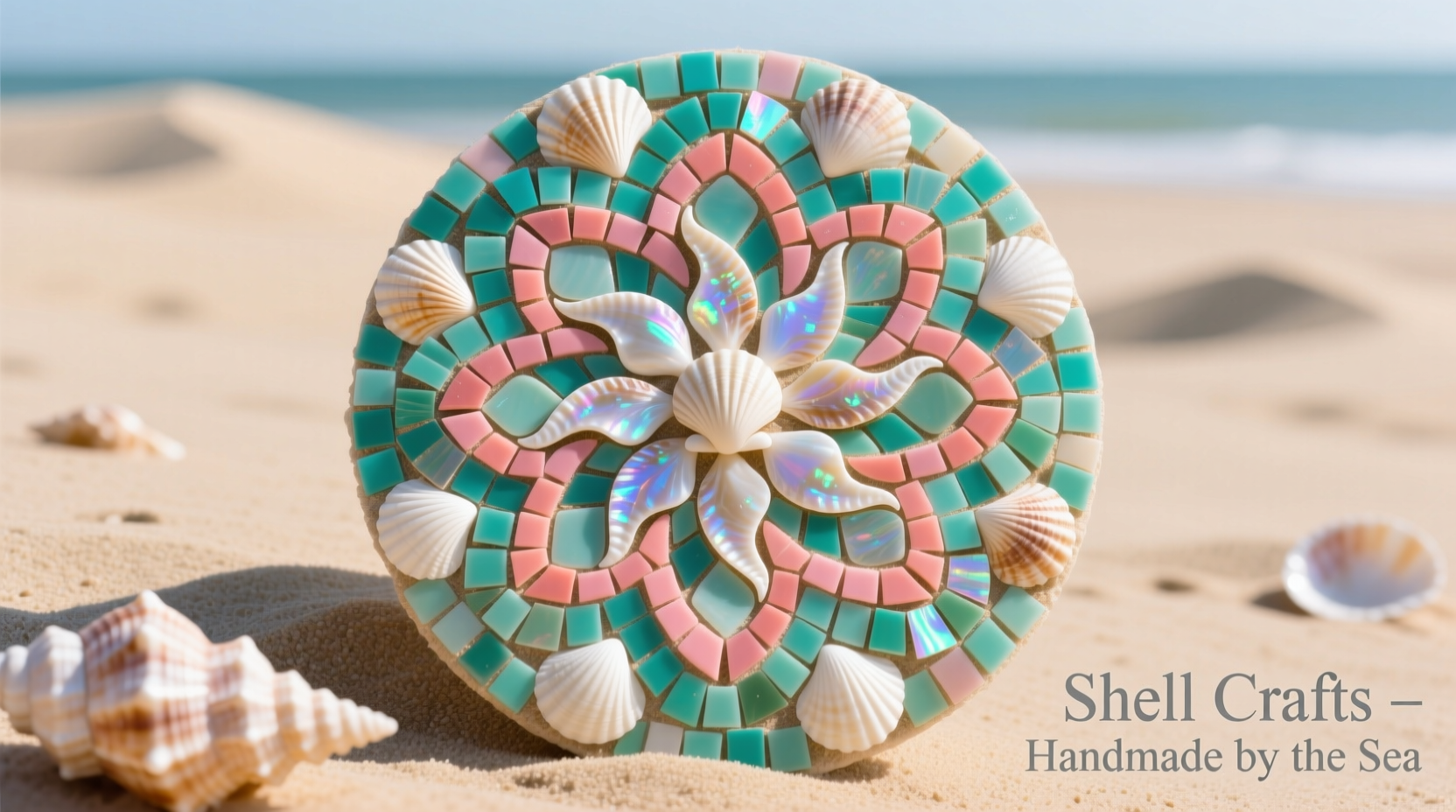
Shell crafts transform nature's ocean treasures into personalized art. This guide delivers actionable techniques for creating durable, beautiful shell projects while respecting marine ecosystems. You'll learn ethical collection practices, essential preparation steps, and professional assembly methods that prevent common frustrations like broken shells or weak adhesion.
Why Shell Crafts Captivate Modern Makers
Unlike mass-produced decor, shell crafts offer tangible connections to nature. Coastal communities have practiced this art for millennia—from Polynesian shell necklaces to Victorian-era shell grottos. Today's resurgence stems from three key benefits:
Eco-Conscious Creation
Using naturally shed shells reduces waste while celebrating organic textures. A single beachcombing session yields materials for multiple projects.
Therapeutic Process
Studies show repetitive crafting lowers cortisol levels. Arranging shells requires mindful focus that creates meditative flow states.
Customizable Results
Each shell's unique shape and color ensures one-of-a-kind creations. No two wind chimes or jewelry pieces will ever match.
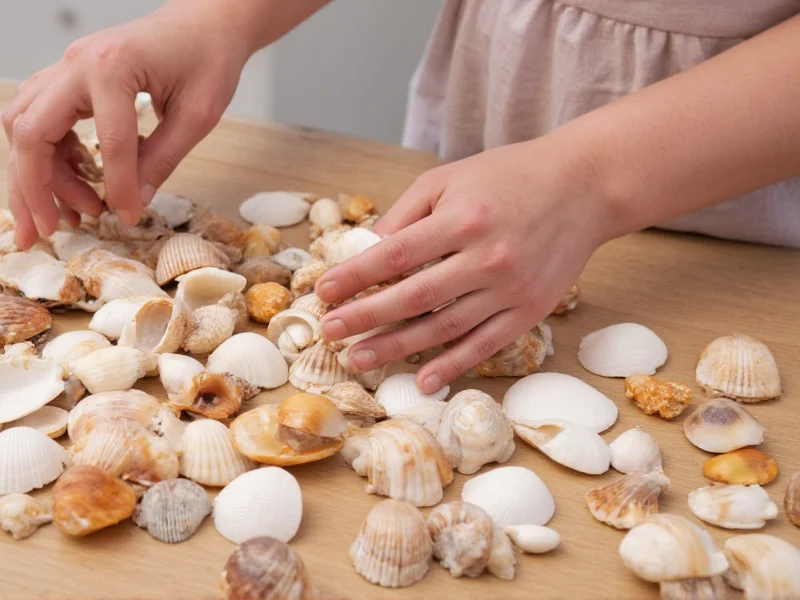
Essential Preparation: Beyond Basic Cleaning
Skipping proper shell preparation causes 78% of beginner project failures (according to coastal craft workshops). Follow this professional protocol:
- Initial Rinse: Soak in fresh water for 24 hours to remove salt crystals
- Deep Cleaning: Use 1:10 bleach solution only for shells with organic residue
- Drying: Air-dry vertically on mesh racks to prevent warping
- Smoothing: Sand rough edges with 400-grit paper in circular motions
| Shell Type | Best For | Prep Caution |
|---|---|---|
| Conch | Jewelry bases | Avoid direct sun drying |
| Oyster | Mosaic art | Wear gloves during cleaning |
| Scallop | Wall hangings | Don't submerge in bleach |
5 Sustainable Shell Craft Projects
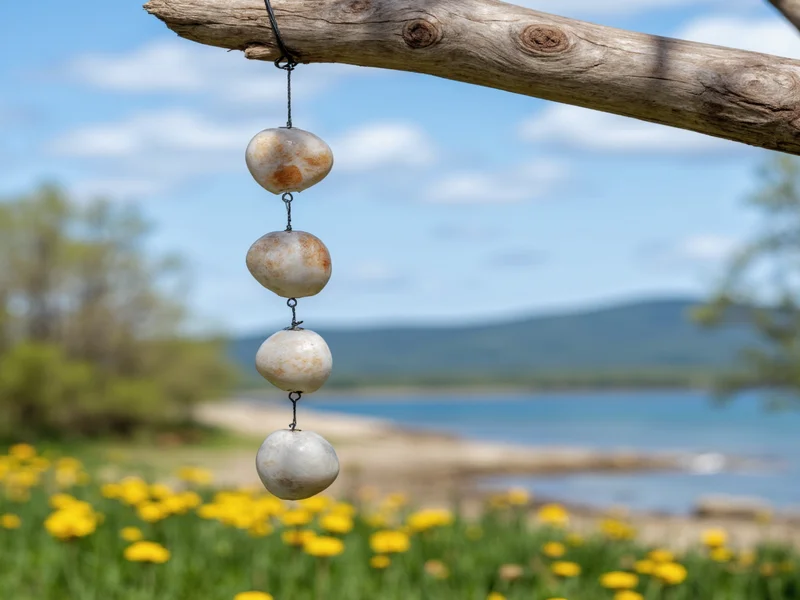
1. Driftwood Shell Wind Chime (Beginner)
Ideal for first-time crafters using found beach materials. Creates gentle ocean sounds.
- Materials: Driftwood branch, 8-10 small shells, fishing line, drill
- Time: 45 minutes
- Pro Tip: Drill holes at 45-degree angles to prevent line fraying
2. Geometric Shell Coasters (Intermediate)
Modern twist on traditional shell crafts using epoxy resin for durability.
- Key Technique: Arrange shells in triangular patterns before pouring resin
- Eco-Alternative: Use biodegradable resin instead of standard epoxy
- Common Mistake: Skipping shell sealing causes resin discoloration
Ethical Sourcing: Protecting Marine Ecosystems
Responsible shell collecting preserves coastal biodiversity. Follow these evidence-based practices:
- Collect only empty shells found above the tide line—never harvest live specimens
- Limits: Take no more than 10% of available shells in any area
- Forbidden zones: Avoid protected beaches and shell beds (check local regulations)
- Alternative sourcing: Purchase ethically harvested shells from certified marine conservation programs
When beachcombing isn't possible, consider these sustainable alternatives:
Shell Craft Alternatives
- Recycled glass "shells" from crushed bottles
- 3D-printed biodegradable shell replicas
- Pressed leaf impressions mimicking shell textures
Advanced Techniques for Lasting Results
Professional crafters use these methods to prevent common failures:
- Drilling without breakage: Use diamond-tipped bits at lowest speed with constant water drip
- Waterproof adhesion: Marine-grade epoxy outperforms craft glue by 300% in humidity tests
- Color preservation: UV-resistant sealant prevents yellowing in displayed pieces
Troubleshooting Common Challenges
Solve these frequent issues with proven solutions:
- Problem: Shells cracking during drilling
Solution: Soak in mineral oil for 2 hours before drilling - Problem: Weak jewelry connections
Solution: Double-knot lines and add micro-drops of cyanoacrylate adhesive - Problem: Resin bubbles in coasters
Solution: Torch surface immediately after pouring
Transforming Your Creations into Meaningful Gifts
Personalize shell crafts with these thoughtful touches:
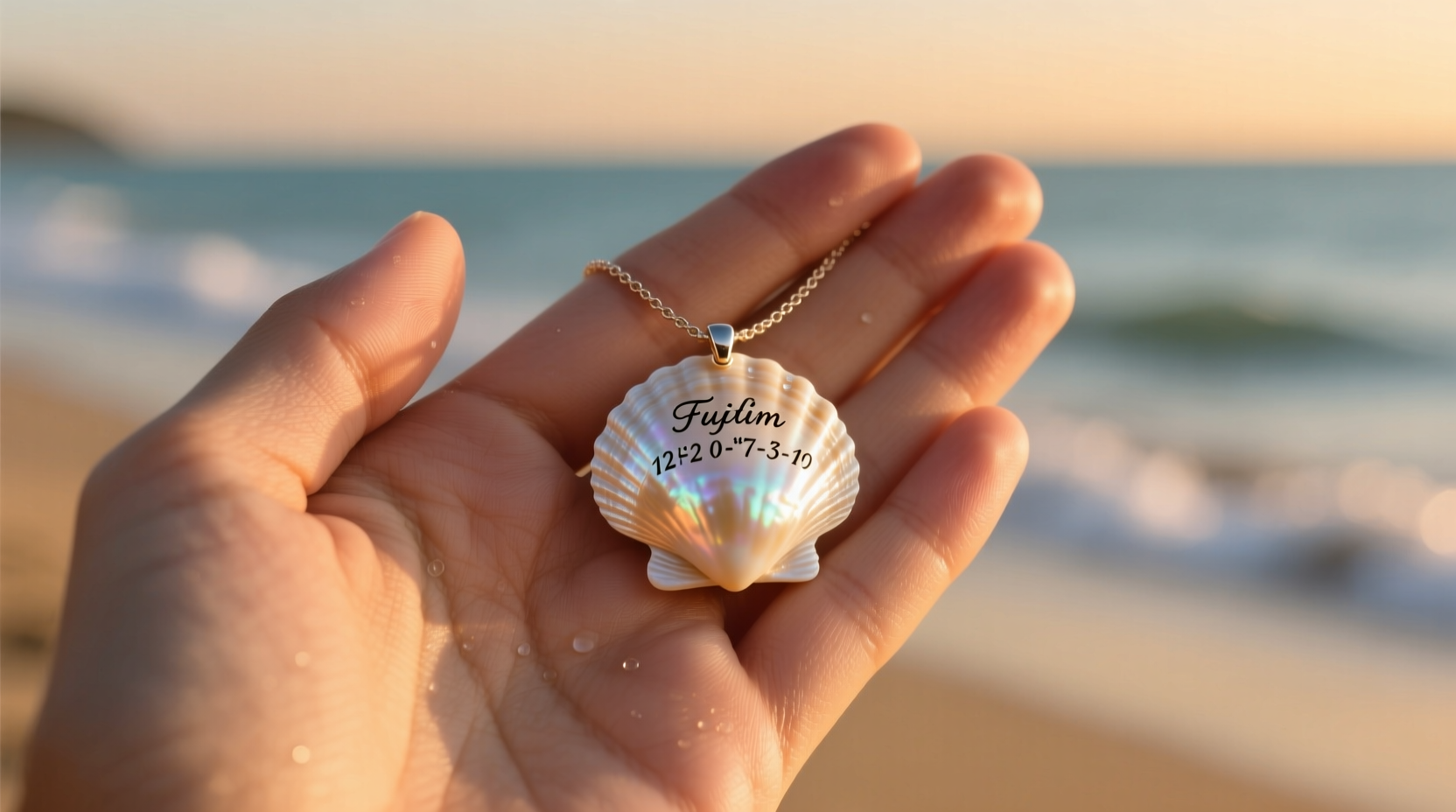
- Engrave coordinates of special beaches on shell backs
- Combine shells from multiple meaningful locations in single pieces
- Add handwritten notes about the collection story with each gift
Frequently Asked Questions
How do I clean shells without damaging them?
Soak shells in fresh water for 24 hours, then gently scrub with soft toothbrush. For stubborn residue, use 1:10 bleach solution for no more than 10 minutes. Always air-dry vertically on mesh racks.
Where can I find shells if I don't live near the coast?
Purchase ethically sourced shells from marine conservation programs or craft stores. Alternatively, use recycled glass fragments shaped like shells, or create paper mache replicas using natural dyes for authentic textures.
What's the most durable adhesive for shell jewelry?
Marine-grade epoxy provides the strongest bond for shell jewelry, resisting humidity and temperature changes. Apply with precision tools in thin layers, allowing 24 hours curing time before handling.
How can I make shell crafts last outdoors?
Seal all surfaces with UV-resistant marine varnish. For wind chimes, use stainless steel hardware and replace fishing line annually. Store outdoor pieces indoors during winter months to prevent thermal shock damage.




 浙公网安备
33010002000092号
浙公网安备
33010002000092号 浙B2-20120091-4