
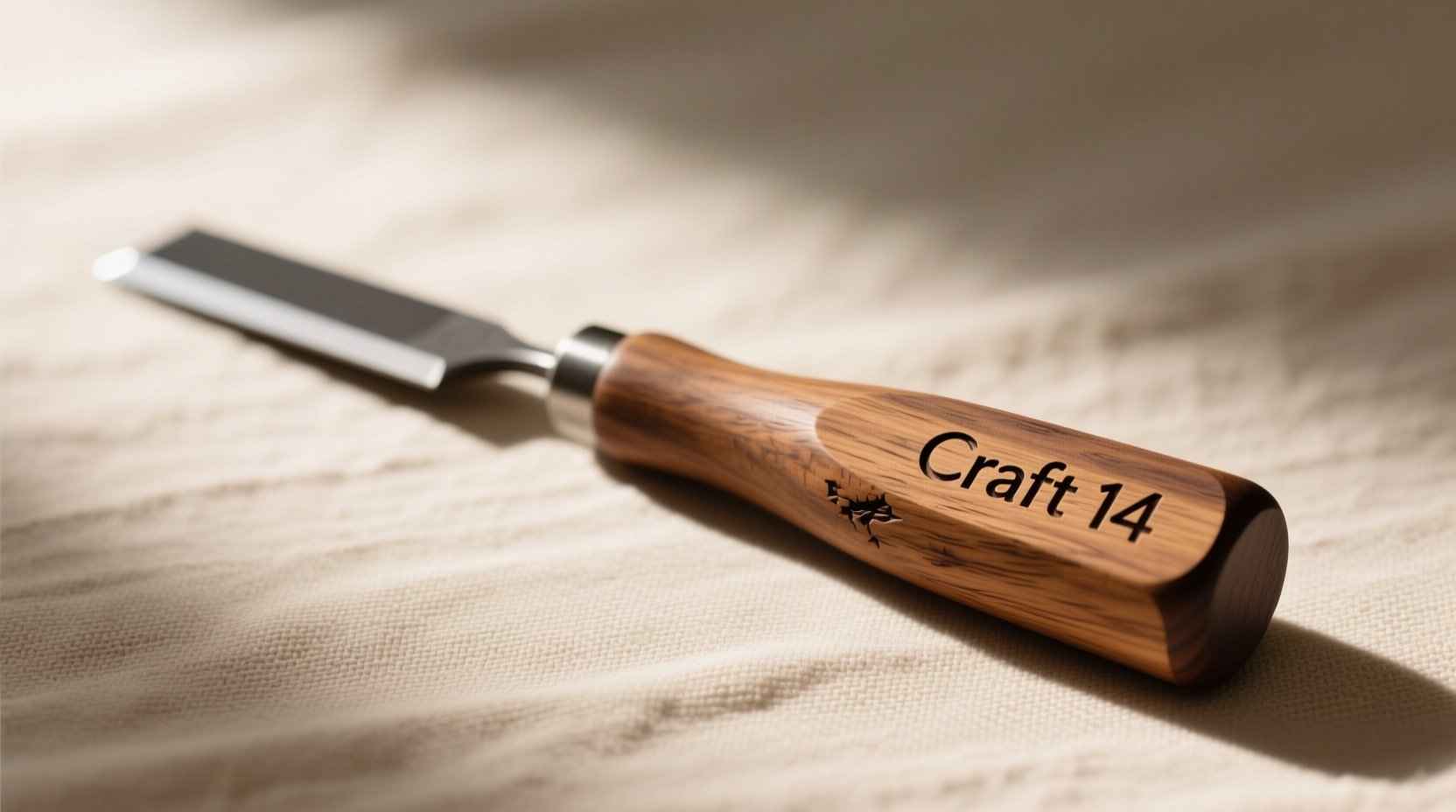
Teenagers at 14 crave meaningful creative challenges that feel grown-up yet achievable. Forget childish crafts—this collection delivers sophisticated projects using reclaimed materials and contemporary design principles. Each activity develops real-world skills like precision cutting, material adaptation, and design thinking while keeping frustration levels low. You'll find zero glue guns or glitter bombs here; instead, we focus on techniques that build confidence through tangible results teens can proudly display or use daily.
Why These Crafts Resonate at Age 14
This developmental stage craves autonomy and visible skill progression. Projects must offer:
- Measurable achievement—clear milestones within 1-3 hours
- Personal expression—customization options reflecting individual style
- Practical utility—items they'll actually use (no dust-collecting trinkets)
- Social sharing potential—Instagram-worthy results
| Craft Type | Key Skill Developed | Completion Time |
|---|---|---|
| Textile Upcycling | Pattern adaptation | 2-3 hours |
| Resin Art | Material chemistry | 4 hours + curing |
| Reclaimed Wood | Precision measurement | 3-5 hours |
14 Signature Projects for Skill Building
Denim Circuit Board Wall Art
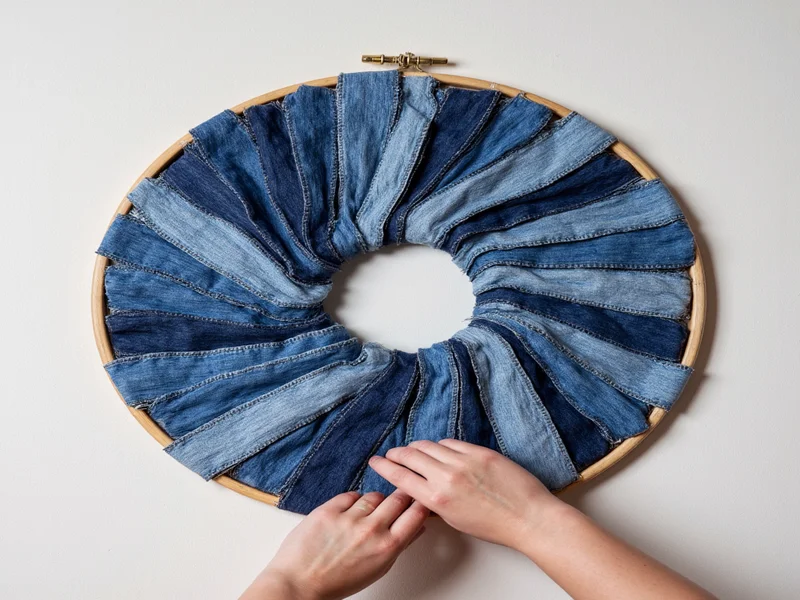
Materials: Old jeans, embroidery hoop, fabric glue, craft knife
Why it works: Transforms discarded denim into modern geometric art using circuit board patterns. Teens learn spatial planning while creating room decor that sparks conversations. The precision cutting builds fine motor control without requiring power tools.
Solar-Powered Phone Charger Pouch
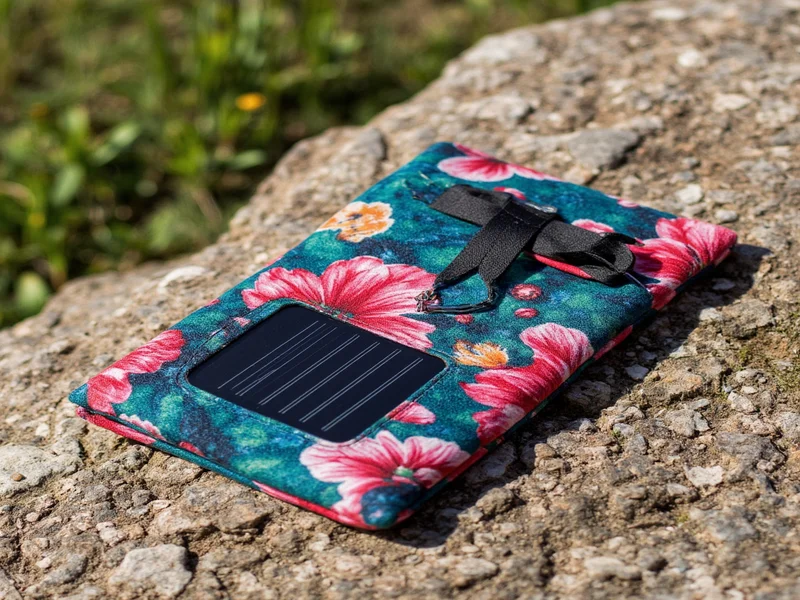
Materials: Scrap fabric, mini solar panel, conductive thread, needle
Why it works: Merges tech literacy with textile skills. Teens construct a functional pouch that charges devices using sunlight—perfect for outdoor enthusiasts. The project teaches basic circuitry through tactile sewing, making STEM concepts tangible.
Reclaimed Wood Phone Stand
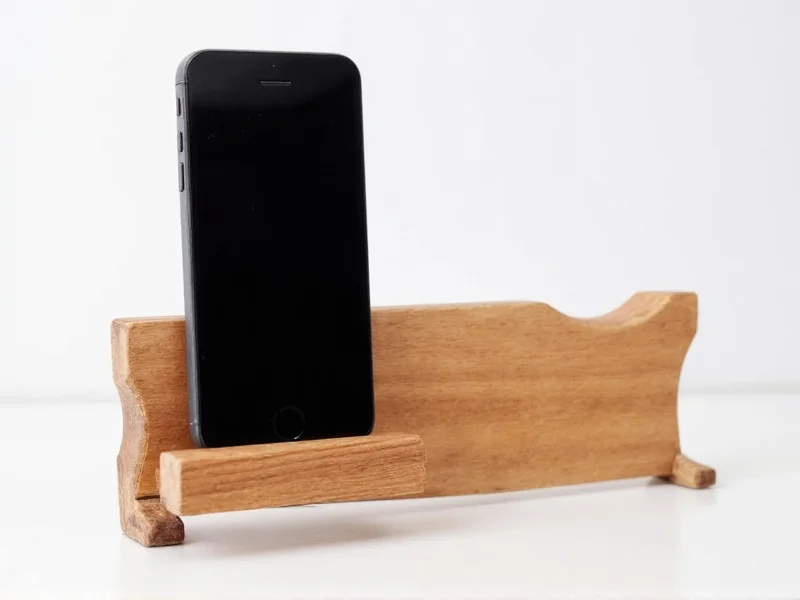
Materials: Discarded pallet wood, sandpaper, food-safe oil, hand saw
Why it works: Develops woodworking fundamentals through a hyper-practical item. The angled design requires precise measurement but avoids complex joinery. Finished stands hold devices securely while showcasing natural wood grain—no two look alike.
Pro Tips for Project Success
- Material sourcing strategy: Visit construction sites (with permission) for pallet wood scraps or thrift stores for fabric remnants
- Frustration prevention: Pre-cut tricky components for complex projects like the resin coasters
- Skill scaffolding: Start with the denim wall art before attempting the solar charger
- Safety first: Always use safety glasses with cutting tools and work in ventilated areas for resin projects
Transforming Hobbies into Lifelong Skills
These Craft 14 projects intentionally bridge play and practicality. The solar charger teaches renewable energy concepts while solving a real teen problem (dead phone batteries). Denim upcycling introduces circular design principles through immediate, visible results. Most importantly, they build what psychologists call "productive persistence"—the ability to push through minor setbacks when the end result feels personally valuable.
Unlike generic craft kits, these projects encourage material experimentation. When the resin coaster bubbles or wood splits, teens learn adaptive problem-solving rather than abandoning the project. This mirrors real-world design processes where constraints breed innovation—a crucial mindset for future creators.
Frequently Asked Questions
What makes craft projects suitable specifically for 14-year-olds?
Projects must balance challenge with achievable results, incorporate personal expression, and produce functional items teens will actually use. They should develop transferable skills like precision measurement or material adaptation without requiring advanced tools.
How can I adapt these crafts for beginners with no experience?
Start with the denim wall art project using pre-cut fabric strips. Simplify the solar charger by omitting the circuit assembly—just focus on sewing the pouch. Always begin with safety gear and adult supervision for cutting tools.
Where can teens safely source reclaimed materials?
Construction sites (ask for pallet wood scraps), thrift stores for fabric remnants, and electronics recycling centers for circuit boards. Always get permission before taking materials and inspect for hazards like nails or chemical residues.
How do these crafts build skills beyond creativity?
They develop spatial reasoning through pattern adaptation, problem-solving when materials behave unexpectedly, and basic engineering principles in projects like the phone stand's structural design. These translate directly to STEM fields and design careers.





 浙公网安备
33010002000092号
浙公网安备
33010002000092号 浙B2-20120091-4