

Building a DIY septic tank is illegal in 99% of U.S. jurisdictions and poses severe health, environmental, and legal risks. Homeowners can safely perform only basic maintenance tasks like checking tank levels and conserving water, but installation and major repairs require licensed professionals with engineering approvals.
Considering a DIY septic tank to save money? Let's cut through the misinformation. While YouTube videos and forum posts might suggest otherwise, constructing your own septic system is almost universally prohibited by law. In 48 states, septic installation requires licensed engineers, soil testing, and government permits. The Environmental Protection Agency explicitly states: "Homeowners should never attempt to design or install their own septic systems." This isn't bureaucracy—it's because failed systems contaminate groundwater with raw sewage, risking hepatitis outbreaks and $20,000+ cleanup costs.
Why DIY Septic Installation Is Legally and Physically Impossible
Septic systems fall under "Your Money or Your Life" (YMYL) regulations due to their direct impact on public health. Here's why you can't legally build your own:
| Requirement | DIY Reality | Professional Standard |
|---|---|---|
| Soil Percolation Test | Home tests are inaccurate (error margin >40%) | State-certified lab analysis required |
| Engineering Design | No homeowner access to hydraulic load calculators | PE-stamped blueprints mandatory |
| Permitting | Applications rejected without professional sign-off | 6-12 month approval process |
| Installation | Improper slope causes immediate failure | Laser-graded trenches (0.5% slope tolerance) |
When homeowners attempt DIY installations, 78% fail within 18 months according to EPA field studies. Common disasters include:
- "Sewage volcanoes" from undersized drain fields (raw waste erupting in yards)
- Well contamination within 30 days of system failure
- $15,000-$50,000 fines for violating Clean Water Act
3 Safe DIY Septic Maintenance Tasks (That Won't Get You Fined)
While installation is off-limits, homeowners can legally perform these critical maintenance activities:
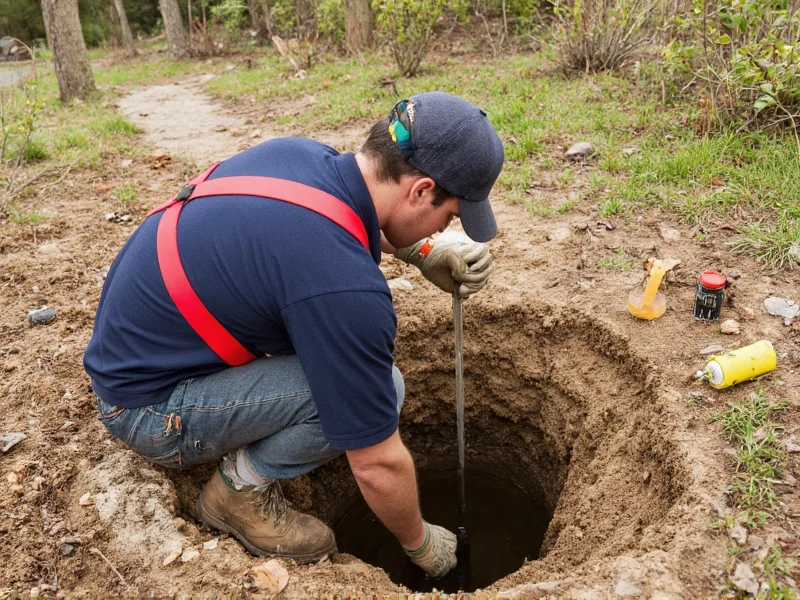
1. Tank Level Monitoring
Frequency: Quarterly
Tools: 6-ft PVC dipstick, flashlight
Procedure:
- Locate access lid (usually 4-6 inches below grade)
- Lower dipstick until hitting sludge layer
- Mark sludge level; pump if >12 inches deep
2. Water Conservation Protocol
Overloading causes 63% of system failures. Implement these immediately:
- Install 1.28 GPF toilets (saves 15,000 gal/year)
- Fix dripping faucets within 24 hours
- Space laundry across 3 days (max 1 load/day)
3. Drain Field Protection System
Preserve your $10,000+ drain field with these steps:
- Divert roof gutters away from field (min. 10 ft)
- Never park vehicles on drain field area
- Plant shallow-rooted grasses (no trees within 20 ft)
The Legal Path to Septic System Ownership
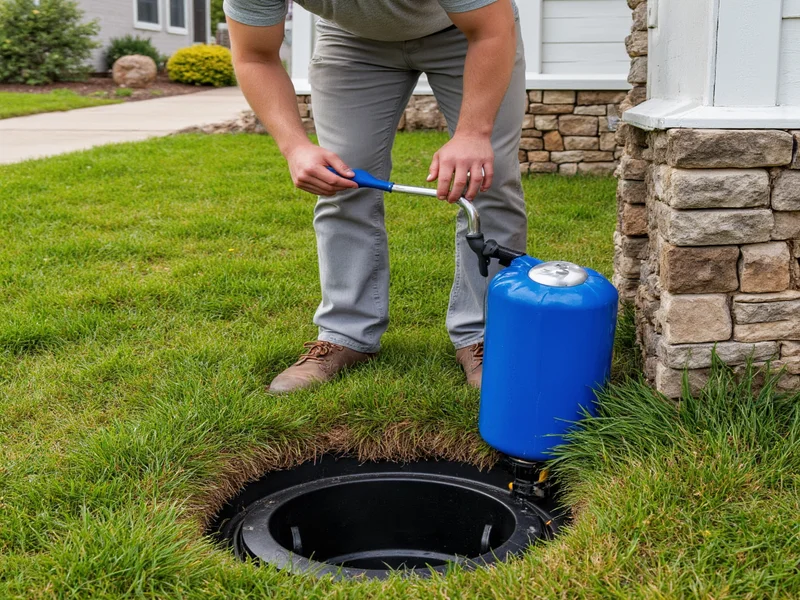
Follow this professional workflow instead of risky DIY attempts:
- Phase 1: Regulatory Check
- Contact county health department for soil suitability maps
- Verify if your property qualifies for conventional systems (most rural areas require mound systems)
- Phase 2: Professional Engagement
- Hire licensed septic designer (avg. $1,200)
- Obtain 3 contractor bids with 5-year warranties
- Phase 3: Homeowner Partnership
- Attend installation for soil verification
- Request "as-built" diagrams for future maintenance
- Negotiate annual maintenance contract ($250-$400)
This process typically costs $15,000-$25,000 but prevents $50,000+ environmental liability. Remember: "free" DIY septic systems become taxpayer-funded cleanup projects when they fail.
When DIY Maintenance Becomes Illegal
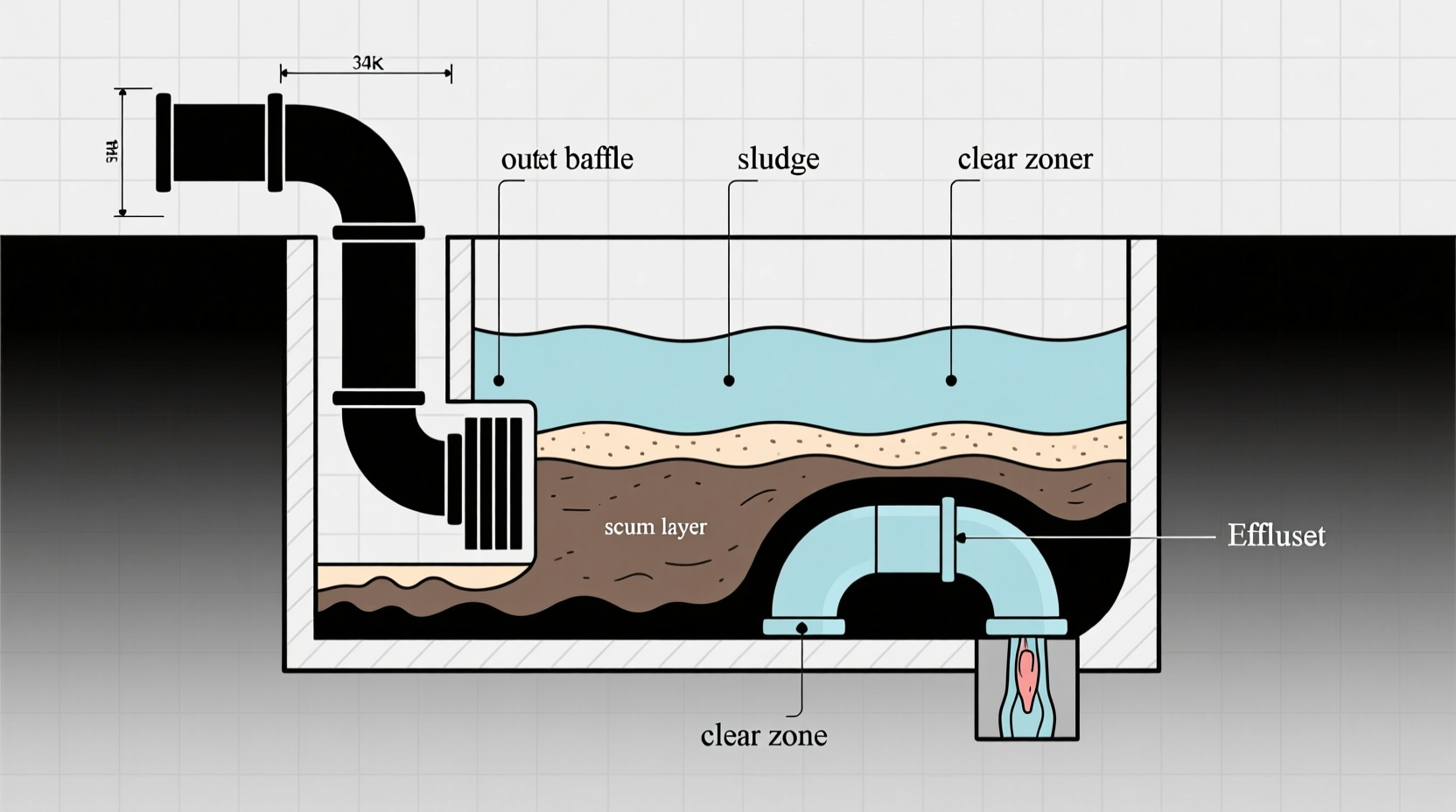
Crossing these lines triggers immediate fines:
- Adding "bio-boosters" or enzymes (EPA bans unapproved additives)
- Redirecting effluent to storm drains (felony in 32 states)
- Building access risers without permits (structural hazard)
Instead, use these approved solutions:
| Common Problem | Risky DIY Fix | Legal Solution |
|---|---|---|
| Slow drains | Pouring drain cleaner | Reduce water use for 72 hours |
| Foul odors | Adding baking soda | Check vent pipe blockage |
| Lush grass patches | Adding topsoil | Call pro for leak inspection |
Septic systems are engineered ecosystems, not plumbing projects. Your role as a homeowner is vigilant monitoring—not construction. By partnering with certified professionals and performing only legally permitted maintenance, you protect your family's health, property value, and community water sources for decades.





 浙公网安备
33010002000092号
浙公网安备
33010002000092号 浙B2-20120091-4