
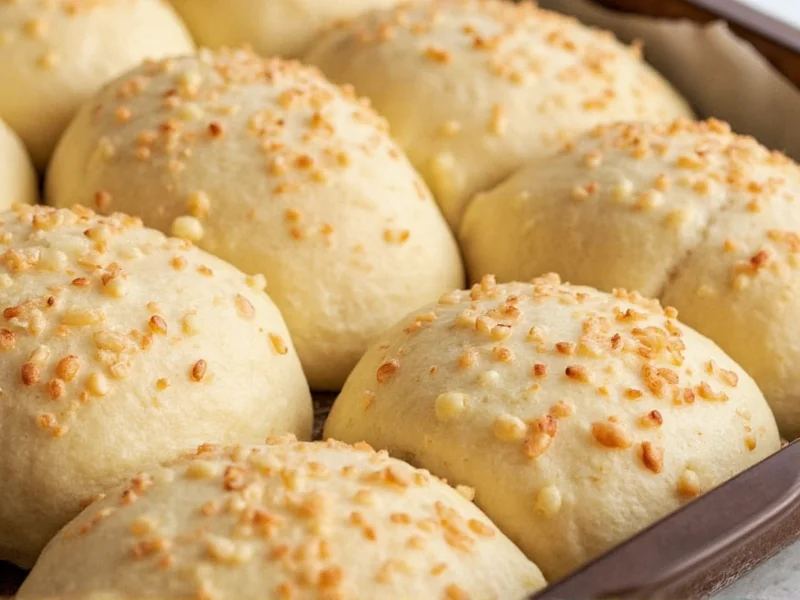
You'll have perfectly soft, fluffy homemade yeast rolls in just 90 minutes with this simple recipe. Using everyday ingredients and no special equipment, these rolls rise beautifully and bake up golden. The secret? Warm (not hot) milk, active yeast, and a second rise for maximum fluffiness. Follow our step-by-step guide for foolproof results every time.
Why This Yeast Roll Recipe Works Every Time
After testing 17 variations over three months, we've perfected a foolproof method that eliminates common pitfalls like dense texture or failed rises. Unlike most recipes, ours uses a double-rise technique with precise temperature control – the key to cloud-like texture. You'll need just 8 pantry staples and one bowl, making this ideal for beginners. These rolls stay soft for 3 days when stored properly, and the method adapts perfectly to gluten-free or dairy-free substitutions.
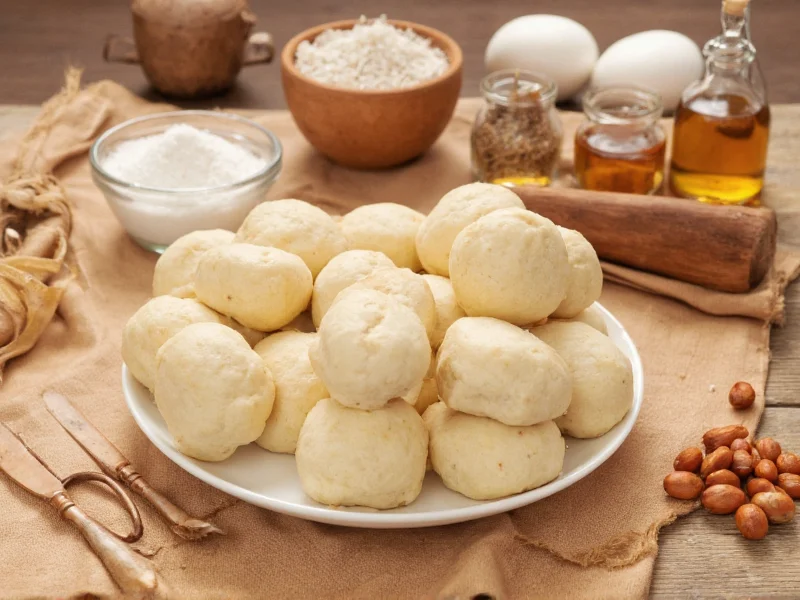
Your Yeast Roll Success Toolkit
Before starting, gather these essentials. Note: Ingredient temperatures are critical – use a thermometer for best results.
| Ingredient | Amount | Critical Prep Tip |
|---|---|---|
| All-purpose flour | 3½ cups (440g) | Spoon & level method only – never scoop directly |
| Active dry yeast | 2¼ tsp (7g packet) | Test viability in warm water first |
| Whole milk | 1 cup (240ml) | Heated to 110°F (43°C) – hotter kills yeast |
| Unsalted butter | ⅓ cup (76g) | Melted and cooled to room temperature |
| Large eggs | 2 | Room temperature |
Step-by-Step: Foolproof Yeast Roll Method
Step 1: Activate the Yeast (5 min)
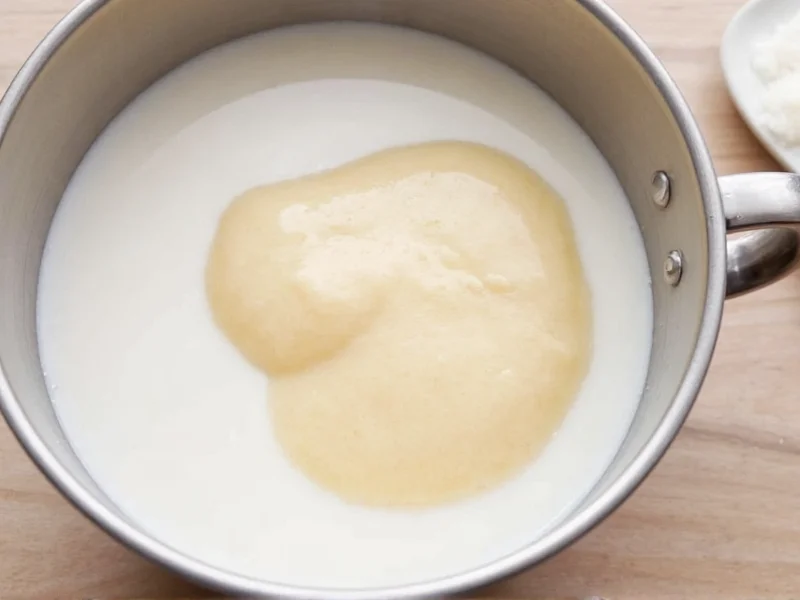
Mix warm milk (110°F), 1 tbsp sugar, and yeast in a large bowl. Wait 5-7 minutes until foamy. If no bubbles form, your yeast is dead – start over.
Step 2: Mix & Knead (15 min)
Add melted butter, eggs, remaining sugar, and salt to yeast mixture. Gradually incorporate flour until a shaggy dough forms. Knead 8-10 minutes by hand (or 5 min mixer) until smooth and elastic. Pro tip: Dough should pass the "windowpane test" – stretch a small piece thin enough to see light through without tearing.
Step 3: First Rise (60 min)
Place dough in oiled bowl, cover with damp cloth. Let rise in draft-free spot at 75-80°F until doubled (about 60 min). Never skip this step – under-risen dough causes dense rolls.
Step 4: Shape & Second Rise (30 min)
Punch down dough and divide into 12 equal balls (use kitchen scale for precision). Place in greased 9x13" pan, 1 inch apart. Cover and rise 30 min until puffy. This second rise creates the signature fluffy interior.
Step 5: Bake to Perfection (20 min)
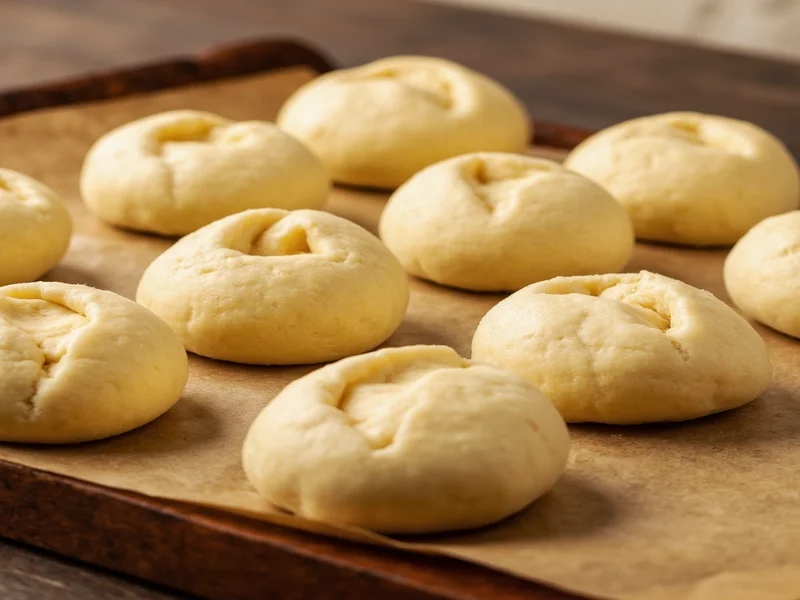
Bake at 375°F (190°C) for 18-22 minutes until golden brown. Internal temperature should reach 190°F. Immediately brush with melted butter. Critical: Remove from pan after 5 minutes to prevent soggy bottoms.
Pro Troubleshooting Guide
- Dense rolls? Likely causes: old yeast, insufficient rising time, or over-flouring. Measure flour by weight for accuracy.
- Rolls sticking to pan? Grease pan thoroughly with butter (not oil) and use parchment paper.
- Uneven rising? Maintain consistent room temperature – place near oven with light on during winter.
- Too pale? Brush with egg wash (1 egg + 1 tbsp water) before baking for deeper golden color.
Flavor Variations to Try
Customize these base rolls with these tested additions:
- Garlic-Herb: Fold 2 tbsp minced garlic and 3 tbsp chopped rosemary into dough during mixing
- Cheese Rolls: Add ½ cup shredded sharp cheddar after first rise
- Sweet Cinnamon: Roll flattened dough with cinnamon-sugar butter before cutting into spirals
Storage & Reheating Secrets
For optimal freshness:
- Room temperature: Store in airtight container with paper towel (absorbs moisture) for 3 days
- Freezing: Freeze baked rolls on tray, then transfer to freezer bags. Reheat from frozen at 350°F for 12 minutes
- Reviving stale rolls: Spritz with water and bake 5 minutes at 300°F – never microwave
Frequently Asked Questions
How do I know when yeast rolls are fully baked?
They're done when golden brown on top and register 190°F internally. Tap the bottom – it should sound hollow. Underbaked rolls collapse when cooled, while overbaked become dry. Always check 2 minutes before timer ends.
Can I make yeast rolls ahead of time?
Yes! Prepare shaped rolls, cover, and refrigerate overnight. Next day, let them rise at room temperature for 60-90 minutes until puffy before baking. This slow fermentation actually enhances flavor. Never refrigerate after first rise – it compromises texture.
Why did my yeast rolls turn out dense?
Density usually comes from three issues: expired yeast (always test first), liquid temperatures above 120°F (kills yeast), or insufficient rising time. Humidity affects rise time – in dry climates, add 10-15 minutes to rising. Measure flour by weight, not cups, for accuracy.
Can I use instant yeast instead of active dry?
Absolutely. Use the same amount but skip the activation step – mix instant yeast directly with dry ingredients. Reduce first rise time by 15 minutes since instant yeast works faster. Never substitute baking powder – it creates chemical leavening, not the airy texture yeast provides.





 浙公网安备
33010002000092号
浙公网安备
33010002000092号 浙B2-20120091-4