
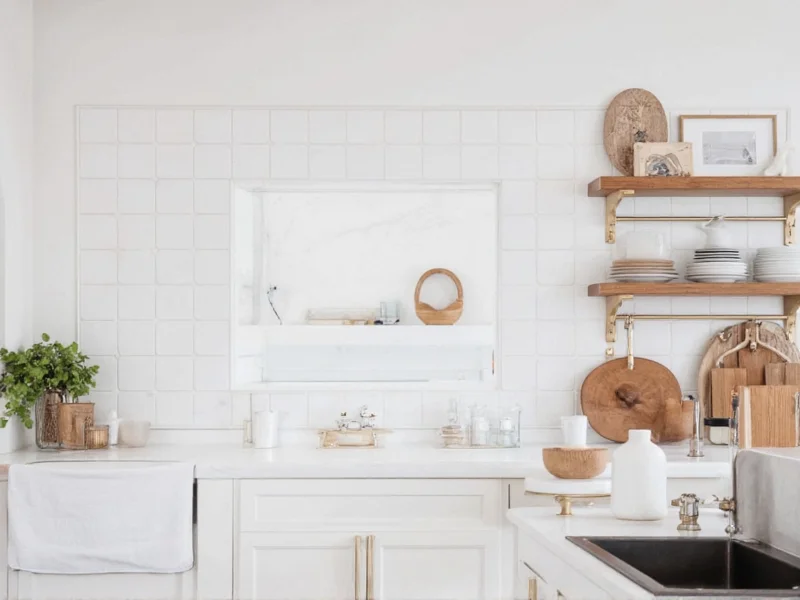
The most beginner-friendly and cost-effective DIY backsplash option is peel-and-stick vinyl tiles, costing $10-$30 per sheet with installation possible in 2-4 hours using basic tools. This solution provides instant kitchen transformation without demolition, grout work, or professional skills while offering water resistance and easy cleaning.
Why Your DIY Backsplash Choice Matters More Than You Think
Transforming your kitchen with a DIY backsplash isn't just about aesthetics—it's a strategic investment in both functionality and home value. While professional installations can cost $1,000-$3,000, the right DIY approach delivers 80% of the visual impact for 20% of the cost. The key lies in matching your skill level with the appropriate material, avoiding common pitfalls that turn simple projects into costly disasters.
Backsplash Material Comparison: Finding Your Perfect Match
| Material Type | Cost Per Sq Ft | Difficulty Level | Installation Time | Water Resistance |
|---|---|---|---|---|
| Peel-and-Stick Vinyl | $1.50-$3.00 | Beginner | 2-4 hours | ★★★★☆ |
| Ceramic Tile | $3.00-$8.00 | Advanced | 15-25 hours | ★★★★★ |
| Beadboard Panels | $2.50-$5.00 | Intermediate | 6-10 hours | ★★★☆☆ |
| Metal Sheets | $5.00-$12.00 | Intermediate | 8-12 hours | ★★★★★ |
Planning Your Project: The Hidden Step 90% of DIYers Skip
Before purchasing materials, conduct a thorough assessment of your existing space. Measure from countertop to bottom of cabinets (typically 18 inches), then add 10% for waste. Check wall condition—peel-and-stick options require perfectly smooth, grease-free surfaces, while tile installations demand stable drywall without cracks.
Pro Tip: The Budget Reality Check
- Essential tools add $50-$100 to material costs
- Allow 20% extra material for pattern matching
- Hidden costs include cabinet removal ($75) and electrical adjustments ($120)
- Realistic total for 30 sq ft: $150-$400 depending on material choice

Tool Kit Essentials: What You Actually Need
Forget the overwhelming lists you've seen elsewhere. For most DIY backsplash projects, these seven tools form the complete essentials:
- Measuring tape with magnetic tip
- Level with multiple bubble indicators
- Utility knife with extra blades
- Sponge and grout float (tile only)
- Notched trowel (1/8" for peel-and-stick, 1/4" for tile)
- Mixing bucket and drill attachment (tile only)
- Painter's tape for clean edges
Step-by-Step Installation Guide
Phase 1: Surface Preparation (Critical for Success)
Clean walls with TSP solution, removing all grease and residue. Sand glossy surfaces lightly for better adhesion. Fill any holes with spackle and allow 24 hours drying time. Mark horizontal guidelines every 4 inches using a laser level—this prevents the "drunken tile" effect that ruins otherwise perfect installations.

Phase 2: Material Application Techniques
For peel-and-stick options: Start from the center point above your stove, working outward. Peel backing gradually while smoothing with a plastic card to eliminate air bubbles. For ceramic tile: Apply thinset mortar with notched trowel, pressing tiles firmly into place. Insert spacers immediately and check alignment every 3-4 tiles.
Avoid These 3 Costly Mistakes
- Skipping the dry layout phase (causes pattern mismatches)
- Using insufficient adhesive (leads to future detachment)
- Ignoring expansion gaps around edges (causes cracking)
Maintenance Strategies for Long-Lasting Results
Different materials require specific care approaches. Vinyl backsplashes clean easily with vinegar solution but avoid abrasive pads. Ceramic tiles need grout sealing every 6 months in high-moisture areas. Metal backsplashes develop water spots—use microfiber cloths with distilled water. Always wipe from bottom to top to prevent water seepage behind panels.
When to Call a Professional
While most DIY backsplash projects succeed with proper planning, certain situations warrant professional help: if your walls have significant unevenness (>1/8" variation), if you're working around complex plumbing fixtures, or if your kitchen has moisture issues requiring waterproofing membranes. Attempting advanced installations beyond your skill level often costs more in repairs than hiring a pro initially.
Frequently Asked Questions
How long does a DIY backsplash typically last?
Peel-and-stick options last 3-5 years with proper care, while ceramic tile installations can last 15+ years. Vinyl edges may begin curling after 2 years in high-heat areas near stoves. Regular cleaning and avoiding harsh chemicals extends lifespan significantly.
Can I install backsplash over existing tile?
Yes, but only with peel-and-stick options on perfectly smooth, clean tile surfaces. Traditional tile requires removal of existing tile due to thickness and adhesion issues. Beadboard and metal installations also require removal of existing tile for proper mounting.
What's the most common DIY backsplash mistake?
Improper surface preparation causes 70% of installation failures. Skipping grease removal, inadequate cleaning, or ignoring wall imperfections leads to adhesion problems. Always spend 50% of your project time on preparation—this prevents costly rework later.
How do I handle outlets and switches?
Turn off power at the breaker before starting. Remove outlet covers and measure carefully around fixtures. For peel-and-stick, cut X-shaped slits and fold material around edges. For tile, use a hole saw to create precise openings. Always use outlet extender boxes to accommodate added thickness.





 浙公网安备
33010002000092号
浙公网安备
33010002000092号 浙B2-20120091-4