
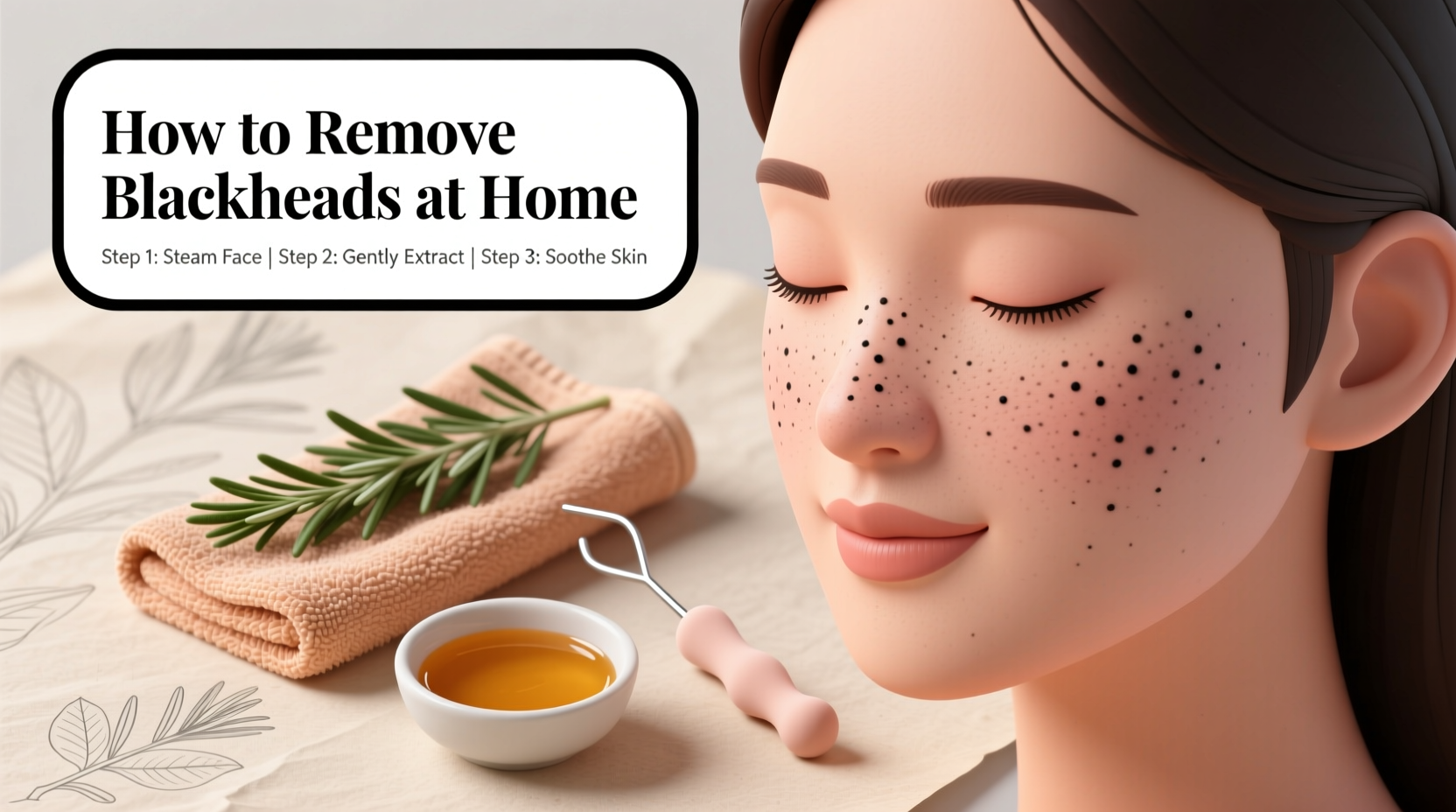
Understanding Blackheads and Why Homemade Solutions Work
Blackheads form when hair follicles become clogged with oil and dead skin cells. Unlike whiteheads, the pore remains open, causing the trapped material to oxidize and darken. Many commercial products contain harsh chemicals that can strip your skin's natural oils, leading to more oil production and further clogging.
Homemade blackhead removal methods work because they use natural ingredients that:
- Gently exfoliate without over-drying
- Balance skin's natural oil production
- Contain antibacterial properties to prevent infection
- Avoid synthetic fragrances that irritate sensitive skin
Essential Precautions Before Starting Any Treatment
Before attempting any blackhead removal method, follow these safety guidelines to protect your skin:
Skin Patch Testing Protocol
Apply a small amount of your chosen remedy behind your ear or on your inner arm. Wait 24 hours to check for redness, itching, or swelling before applying to your face.
When to Avoid DIY Extraction
- Active acne breakouts or inflamed skin
- Recent sunburn or chemical peels
- Using prescription retinoids or acne medications
- History of keloid scarring
| Warning Signs | Action Required |
|---|---|
| Increased redness lasting more than 2 hours | Rinse immediately with cool water |
| Burning or stinging sensation | Remove treatment immediately |
| Small cuts or abrasions | Stop extraction and apply antibiotic ointment |
Five Proven Homemade Blackhead Removal Methods
1. The Steam and Gentle Extraction Method
This professional esthetician technique works by opening pores before extraction:
- Boil 4 cups of water and pour into a large bowl
- Add 3-5 drops of tea tree oil for antibacterial properties
- Position your face 8-10 inches above the steam for 5-7 minutes
- Cleanse hands thoroughly and wrap fingers in clean tissue
- Gently press around blackhead (never directly on it)
- Follow with cold water rinse and witch hazel toner

2. Baking Soda and Water Paste
Baking soda's mild abrasiveness helps dislodge debris without harsh scrubbing:
- Mix 1 teaspoon baking soda with 2 teaspoons water
- Apply to damp skin using circular motions for 30 seconds
- Rinse thoroughly with lukewarm water
- Use only once weekly to avoid pH disruption
3. Honey and Oatmeal Soothing Mask
Perfect for sensitive skin types prone to irritation:
Recipe for Honey-Oatmeal Mask
- 2 tablespoons finely ground oats
- 1 tablespoon raw honey
- 1 teaspoon lemon juice (optional)
Mix ingredients, apply to clean face, leave for 15 minutes, then gently massage in circular motions while rinsing.
Aftercare Essentials for Healthy Skin
Proper aftercare prevents irritation and reduces future blackhead formation:
- Immediate soothing: Apply a cold compress using green tea bags for 5 minutes
- Daily toning: Use diluted apple cider vinegar (1 part vinegar to 3 parts water) as an astringent
- Night treatment: Apply a thin layer of bentonite clay mask twice weekly to absorb excess oil
- Moisturizing: Use non-comedogenic jojoba oil to maintain skin barrier
Common Blackhead Removal Mistakes to Avoid
Many popular DIY methods actually damage skin and worsen blackheads:
Why Toothpaste Doesn't Work
Toothpaste contains sodium lauryl sulfate and mint oils that severely dry and irritate facial skin. While it may temporarily shrink a blackhead's appearance, it triggers increased oil production that leads to more clogged pores within days.
Danger of Pore Strips
These adhesive strips remove the top layer of skin along with blackheads, causing micro-tears that enlarge pores and increase blackhead formation over time. Dermatologists recommend against regular use.
Establishing a Blackhead Prevention Routine
Consistent care yields better results than occasional intensive treatments:
- Morning: Gentle cleanser → green tea toner → non-comedogenic moisturizer
- Evening: Oil cleansing → steam treatment (2x weekly) → honey mask (1x weekly)
- Weekly: Baking soda exfoliation (only for oily skin types)
- Monthly: Professional facial for deep cleansing
Remember that blackheads take 30-40 days to form, so consistent care for at least 6-8 weeks is necessary before seeing significant improvement. Patience and gentle treatment yield better long-term results than aggressive extraction methods.
Frequently Asked Questions
How often should I remove blackheads at home?
Limit blackhead extraction to once every 10-14 days. More frequent extraction damages pores and triggers increased oil production. Between extraction sessions, maintain a gentle cleansing routine with natural astringents to prevent new blackheads from forming.
Can lemon juice effectively remove blackheads?
Lemon juice's high acidity can temporarily shrink pores but often causes more harm than good. Its phototoxic properties increase sun sensitivity, and the low pH disrupts your skin's natural barrier. For safer alternatives, try diluted apple cider vinegar which has a pH closer to healthy skin (4.5-5.5).
Why do blackheads keep coming back after removal?
Blackheads reform because pore-clogging is an ongoing process. Dead skin cells and sebum continuously accumulate in hair follicles. To prevent recurrence, maintain a consistent routine of gentle exfoliation, proper cleansing, and oil-balancing treatments. Remember that complete elimination isn't possible - the goal is management through regular, gentle care.
Are homemade blackhead removal methods safe for sensitive skin?
Yes, when properly adapted for sensitive skin. Skip abrasive ingredients like baking soda and opt for soothing alternatives like honey masks or diluted green tea toners. Always patch test first and reduce treatment frequency. For extremely sensitive skin, consult a dermatologist before attempting any at-home extraction.





 浙公网安备
33010002000092号
浙公网安备
33010002000092号 浙B2-20120091-4