

Yes, you can transform a standard round plastic storage bin into a realistic-looking cauldron for under $20 in 2-3 hours. This beginner-friendly DIY project requires only spray paint, texture paste, and basic tools—no welding or metalwork needed. The plastic base provides a lightweight, weather-resistant alternative to traditional metal cauldrons while maintaining authentic aged-metal aesthetics.
Forget expensive specialty stores or complex metal fabrication. That round storage bin gathering dust in your garage holds surprising potential as the foundation for a stunning cauldron perfect for Halloween displays, witchy decor, or even functional planters. As an industrial designer who simplifies complex projects, I've refined this technique through dozens of workshops—and the secret lies in strategic surface texturing and layered paint techniques that trick the eye into seeing aged iron.
Why Round Storage Bins Outperform Traditional Methods
Most DIY cauldron tutorials suggest bending sheet metal or modifying buckets—methods requiring dangerous tools and yielding uneven results. Plastic storage bins solve three critical problems:
| Traditional Approach | Storage Bin Solution |
|---|---|
| Requires welding tools ($200+) | Uses household craft supplies |
| Heavy (15+ lbs) and unstable | Lightweight (under 3 lbs) yet rigid |
| Rust compromises structural integrity | Weatherproof plastic base |
Choose a 5-7 gallon translucent bin with vertical ribs—the texture mimics hammered metal seams. Opaque bins work but require extra sanding to create surface variation.

Essential Materials Checklist
Gather these affordable supplies before starting:
- Round storage bin (5-7 gallon size)
- Aluminum spray primer (rust-preventative)
- Matte black and antique bronze spray paints
- Joint compound or texture paste ($4 at hardware stores)
- 120- and 220-grit sandpaper
- Stiff-bristle brush for texture application
- Clear matte sealant (UV-resistant)
Step-by-Step Transformation Process
Phase 1: Surface Preparation (20 Minutes)
Clean the bin with vinegar solution to remove mold release agents. Lightly sand ribs with 120-grit paper—this creates "hammer marks" that catch paint later. Wipe away dust with tack cloth. Pro tip: Leave some factory texture intact; perfectly smooth surfaces look artificial.
Phase 2: Base Coating & Texture (60 Minutes)
- Spray aluminum primer evenly (hold 10" away)
- Mix joint compound with water to pancake-batter consistency
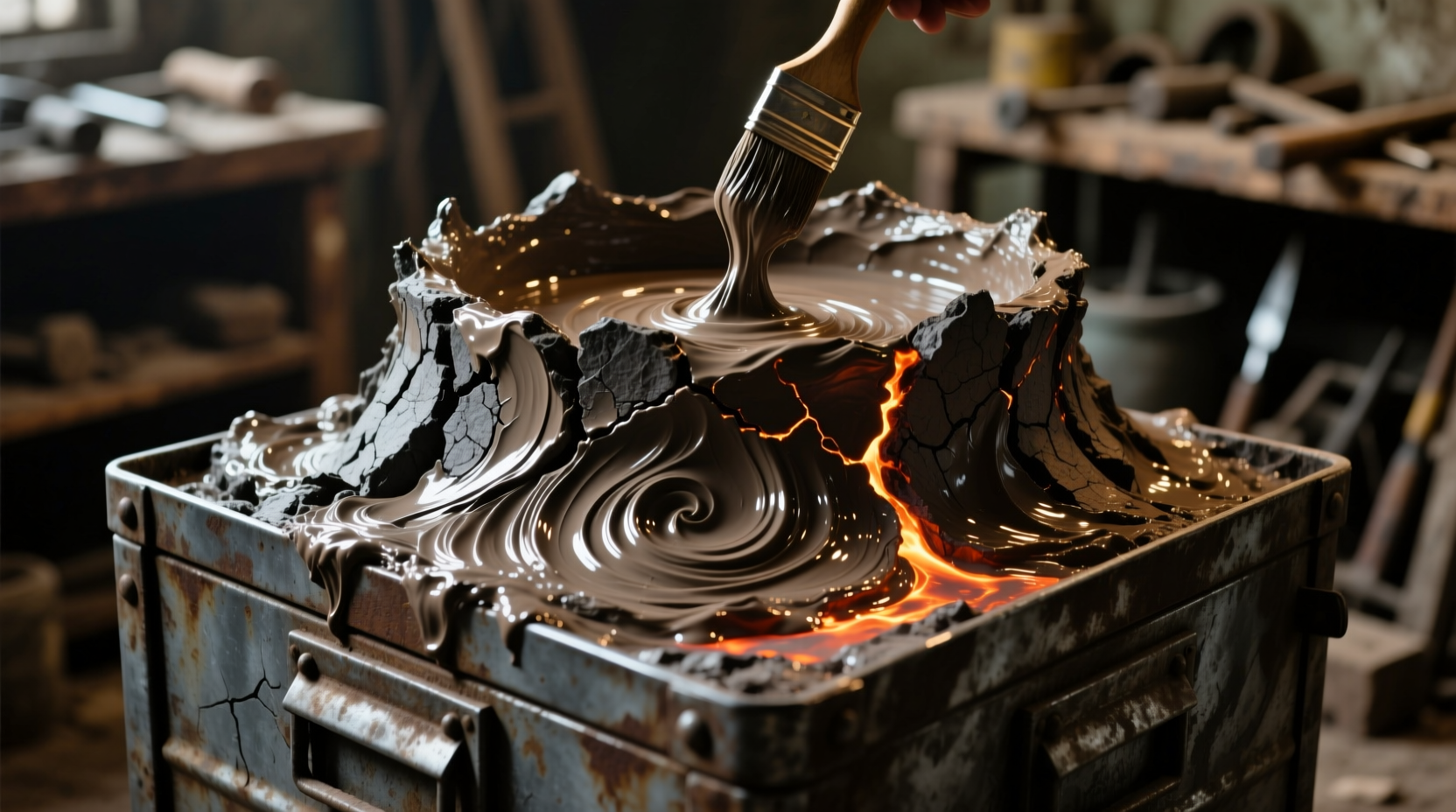
- Dab texture paste randomly using stiff brush—focus on "damage zones" like rim and base
- Let dry 30 minutes, then lightly sand high points
Phase 3: Aging Technique (Critical Step!)
This layered painting method creates depth:
- Spray matte black base coat (let dry 15 min)
- Dip cheap chip brush in antique bronze, wipe 90% off on paper
- Drag brush vertically over texture ridges—only hitting high points
- Repeat with lighter pressure for subtle highlights
- Apply clear matte sealant after 2 hours
Avoid common mistakes: Don't over-apply texture paste (looks like mud), and never use glossy finishes—real aged metal has zero shine. For outdoor use, add 10% iron oxide powder to the final sealant for authentic rust flecks.
Creative Applications Beyond Decor
While most envision this as Halloween decor, consider these functional uses:
- Herb Planter: Drill drainage holes, line with landscape fabric
- Ceremonial Vessel: Use for smudging with heat-resistant clay lining
- Yard Art: Bury partially for "ancient artifact" garden feature
For witchy practitioners, embed copper wire beneath texture paste to create conductive "energy channels" before painting—a subtle nod to metaphysical traditions without compromising structural integrity.
Troubleshooting Real Issues
When I taught this workshop at Maker Faire, these problems arose most frequently:
- Peeling paint: Caused by skipping primer—always use aluminum-based primer on plastic
- Unrealistic texture: Apply paste in thin layers; thick globs look like dried mud
- Color too bright: Spray black first, then bronze—never start with metallic

Why This Method Stands Out
Unlike viral "5-minute cauldron" hacks using spray paint alone, this approach addresses the core failure of most DIY attempts: flat, unrealistic surfaces. By leveraging the storage bin's existing ribs as structural guides and using texture paste to simulate corrosion patterns, you create dimensional authenticity. Industrial designers call this "forced perspective"—manipulating surface details to trick the brain into perceiving material properties that aren't physically present.
Final Thoughts
This storage bin cauldron transcends typical craft projects by solving real design challenges: affordability, safety, and authentic aesthetics. The plastic foundation provides structural reliability while the texturing technique creates visual complexity that fools even discerning eyes. Next time you see that round bin at the dollar store, remember—you're looking at a cauldron waiting to happen. Share your creations with #BinToCauldron to inspire others in the upcycling community.





 浙公网安备
33010002000092号
浙公网安备
33010002000092号 浙B2-20120091-4