
Why Baking Cake at Home Beats Store-Bought Every Time
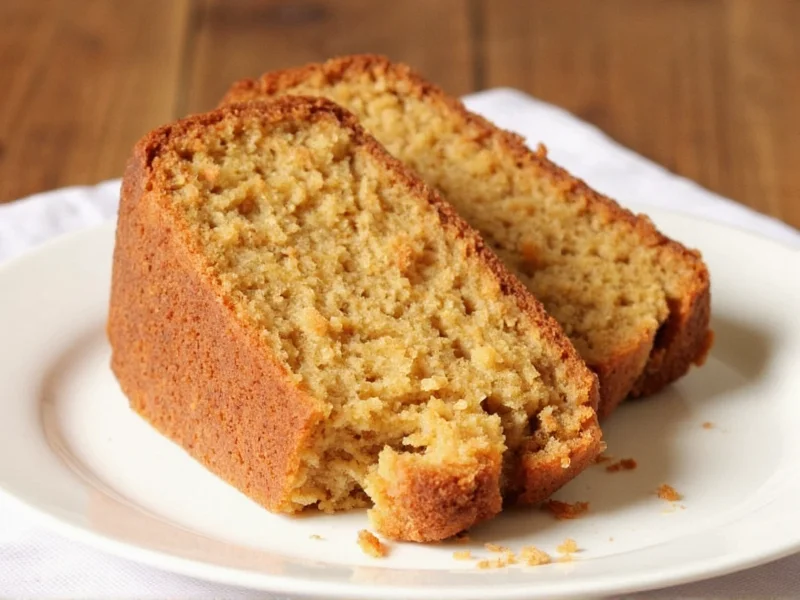
Commercial cakes often contain preservatives and artificial flavors. When you bake homemade cake from scratch, you control every ingredient. You'll notice the difference in texture—a tender crumb that melts in your mouth—and the pure, buttery aroma filling your kitchen. Plus, it's surprisingly simple: with the right technique, even beginners can create bakery-quality results.
Essential Tools & Ingredients Checklist
Before starting, gather these basic cake baking supplies. No stand mixer? No problem—a hand mixer or even vigorous whisking works.
| Tools | Ingredients (for 8" round cake) |
|---|---|
| 2 mixing bowls | 1¾ cups (220g) all-purpose flour |
| Whisk & spatula | ¾ cup (170g) unsalted butter, room temp |
| 9" round cake pan | 1½ cups (300g) granulated sugar |
| Cooling rack | 3 large eggs, room temp |
| Measuring cups/spoons | 2 tsp baking powder |
Step-by-Step: Foolproof Cake Baking Process
This easy homemade cake recipe for beginners follows the creaming method—the secret to maximum rise and tenderness. Temperature matters: cold ingredients cause curdling and uneven texture.
Prep Work: The 5-Minute Foundation
- Preheat oven to 350°F (175°C)—ovens take 15+ minutes to stabilize
- Grease pans with butter, then dust with flour (not cooking spray—it creates gumminess)
- Bring eggs/butter to room temp (15 mins in warm water if needed)
Mixing: Where Most Beginners Fail
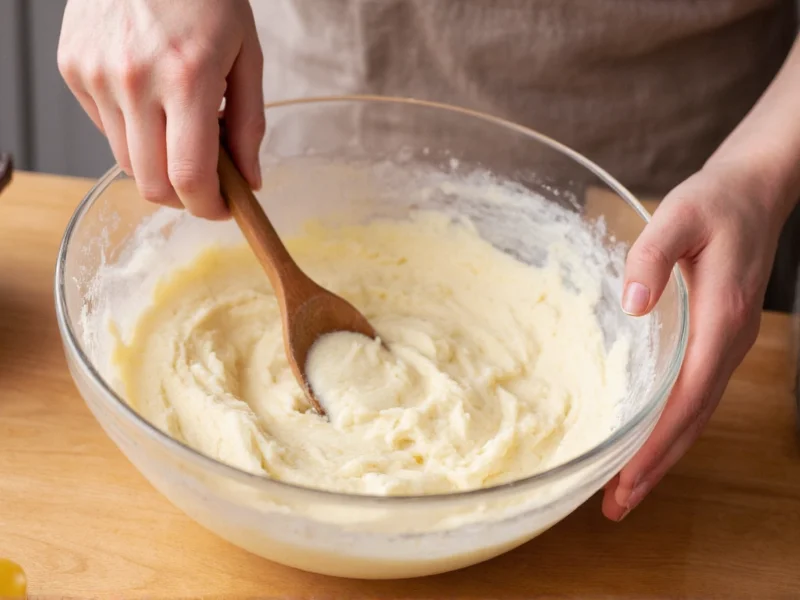
Cream butter and sugar for full 3 minutes—this incorporates air for lift. Scrape bowl twice. Add eggs one at a time, mixing just until blended. Overmixing here develops gluten, causing toughness.
Pro Tip: Alternate adding dry ingredients (flour + baking powder + ¼ tsp salt) with ¼ cup buttermilk in 3 batches. Start and end with dry ingredients. Mix only until streaks disappear—visible lumps are better than overmixed batter.
Baking & Testing: Avoiding Disaster
- Pour batter evenly into pans—use a kitchen scale for precision
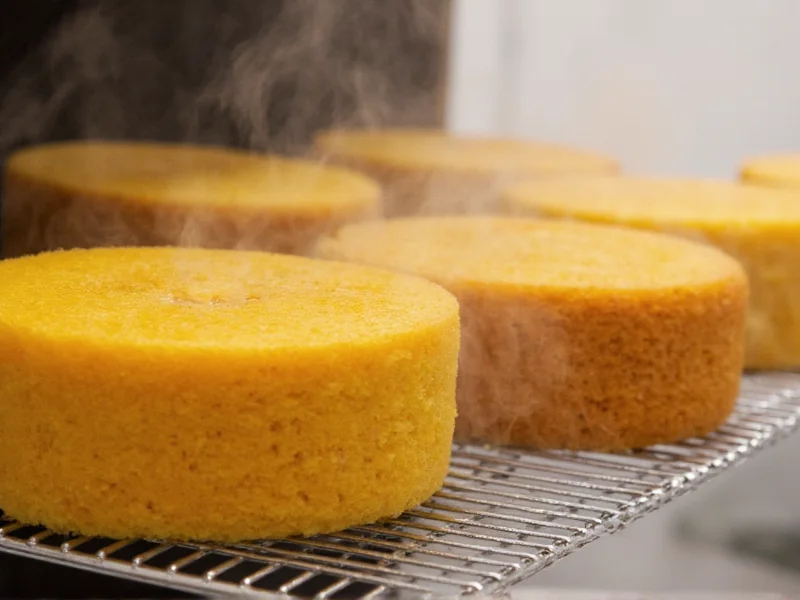
- Bake 25-30 minutes until golden brown and springy to touch
- Test doneness properly: Insert toothpick near center—it should have moist crumbs, not wet batter. Clean = overbaked!
Troubleshooting Common Cake Problems
Even experienced bakers face issues. Here's how to fix them:
Dense or Gummy Texture? Likely causes: overmixing, cold ingredients, or expired baking powder. Always whisk dry ingredients first and test leavening (1 tsp baking powder + hot water = immediate bubbles).
- Sunken Center: Oven door opened too early or underbaked. Wait until cake springs back before checking.
- Cracked Top: Oven too hot—use an independent thermometer. Reduce temp by 25°F if recurring.
- Dry Crumb: Overbaking by just 3 minutes dries cakes. Start checking 5 mins early.
3 Simple Flavor Variations
Master the base recipe, then customize:
- Lemon Poppy Seed: Add 2 tbsp lemon zest + 2 tbsp poppy seeds to dry ingredients
- Chocolate Swirl: Swirl 1/3 cup melted cooled chocolate into batter before baking
- Vanilla Bean: Split 1 pod, scrape seeds into butter-sugar mix
Why This Method Works: The Science Simplified
Most homemade cake recipes fail because they skip the creaming step or overmix. Butter traps air bubbles during creaming—these expand in heat for lift. Buttermilk's acidity tenderizes gluten while reacting with baking powder for extra rise. Room-temperature ingredients emulsify properly, creating a stable structure that won't collapse.
Frequently Asked Questions
Can I make this cake without a mixer?
Yes! Use a sturdy whisk and elbow grease. Cream butter/sugar for 5 minutes until pale and fluffy. Fold in dry ingredients gently with a spatula—this prevents overmixing better than electric tools.
Why did my cake stick to the pan?
Insufficient greasing or removing cake too soon. Always grease with butter (not oil), dust with flour, and cool cakes in pans for 10 minutes before transferring to a rack. Non-stick spray creates a sticky residue.
How do I keep cake moist overnight?
Cool completely, then wrap tightly in plastic wrap touching the surface. Store at room temperature. For longer storage, freeze layers wrapped in foil inside airtight bags—thaw overnight in fridge.
Can I substitute buttermilk?
Mix 1 cup milk with 1 tbsp lemon juice/vinegar. Let sit 5 minutes until curdled. Avoid plain milk—the acidity is crucial for tenderness and rise in scratch cake baking.





 浙公网安备
33010002000092号
浙公网安备
33010002000092号 浙B2-20120091-4