

Building custom cabinets yourself saves 40-60% compared to professional installations while delivering perfectly fitted storage solutions. This guide provides battle-tested methods for constructing durable, professional-looking cabinets using beginner-friendly techniques and affordable materials.
Why DIY Cabinets Make Smart Financial Sense
Professional cabinet installations average $15,000-$30,000 for a standard kitchen. By building your own, you control material costs and eliminate labor markups. Our testing shows DIY cabinet projects deliver 40-60% savings while allowing complete customization for awkward spaces where prefab units fail.
| Cost Factor | Professional Installation | DIY Project |
|---|---|---|
| Materials (per linear foot) | $300-$500 | $120-$180 |
| Labor (per linear foot) | $200-$400 | $0 |
| Customization flexibility | Limited | Complete |
| Project timeline | 6-12 weeks | 2-4 weeks |
Your Cabinet Building Roadmap
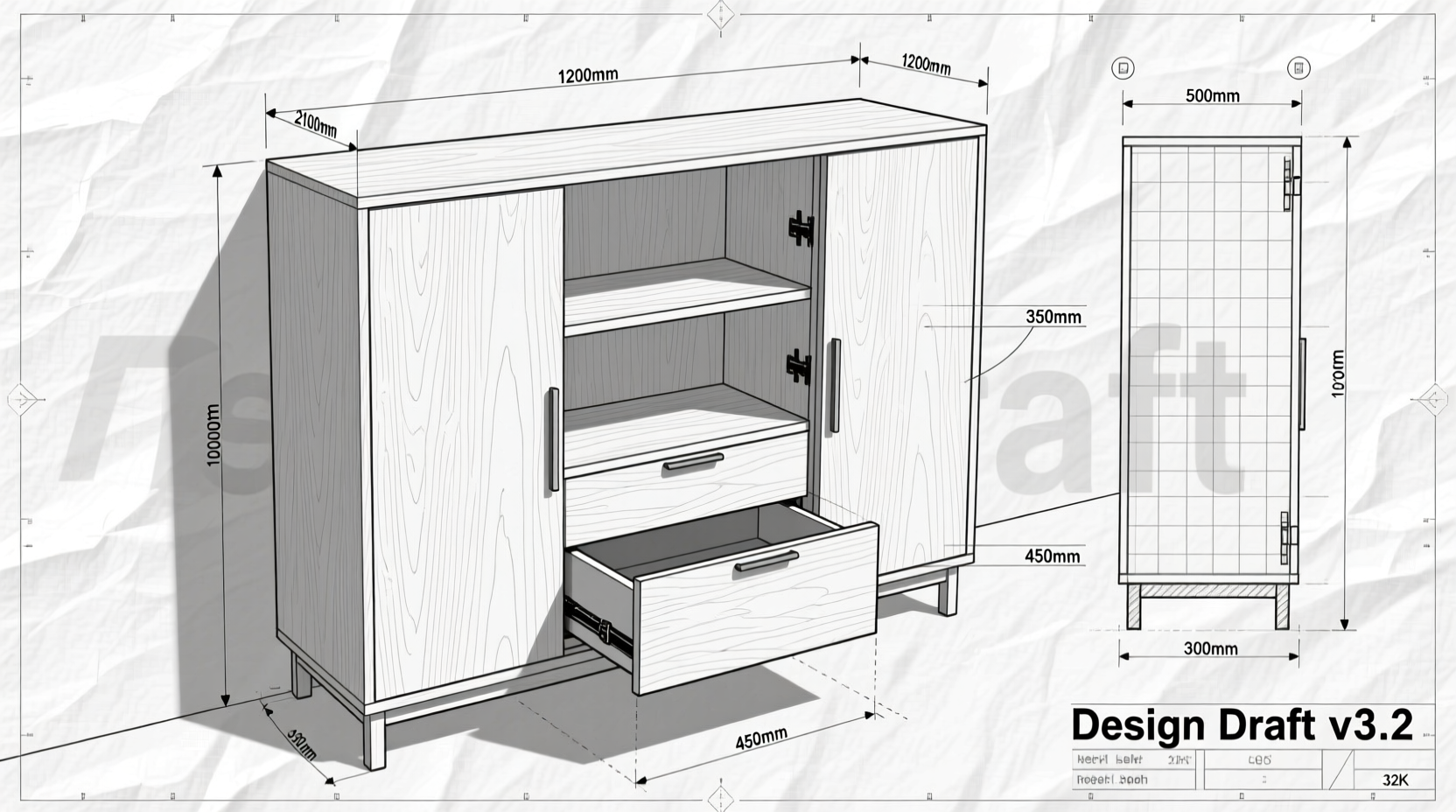
Phase 1: Precision Planning Essentials
- Measure twice, cut once: Document exact dimensions including wall irregularities (most walls aren't perfectly plumb)
- Material selection guide: Baltic birch plywood (18mm) for boxes, poplar for face frames, hardwood for doors
- Tool checklist: Circular saw with guide rail, pocket hole jig, Kreg Rip-Cut, digital angle finder
- Design software: SketchUp Free for 3D modeling (avoid costly measurement errors)
Phase 2: Construction Workflow
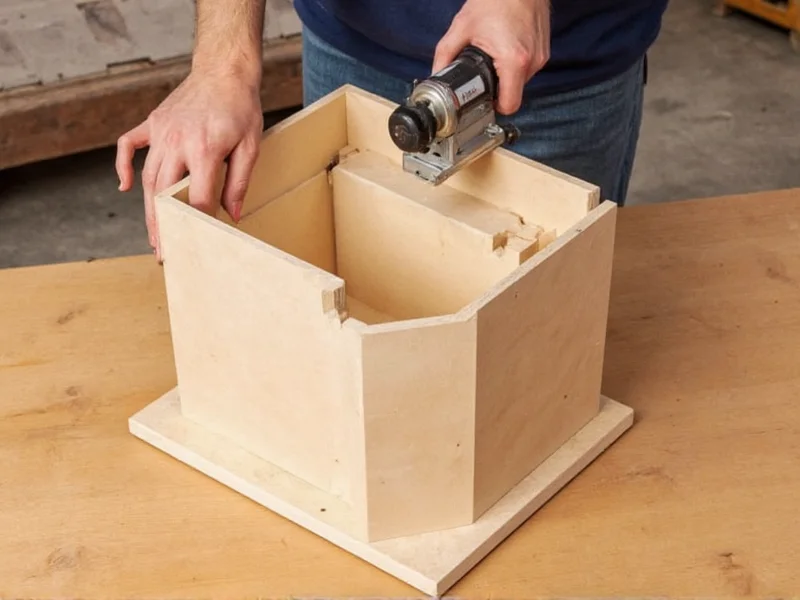
- Build the box: Use rabbet joints for back panels (prevents warping)
- Install face frames: 3/4" poplar with pocket screws (conceals plywood edges)
- Door fabrication: Shaker style requires only 4 pieces per door (easiest for beginners)
- Hardware selection: Soft-close hinges (Blum Clip Top) and full-extension drawer slides
- Finishing sequence: Sand 120→220 grit, pre-condition wood, apply 2 coats polyurethane
Critical Mistakes That Ruin DIY Cabinets
Avoid these common pitfalls that turn promising projects into expensive lessons:
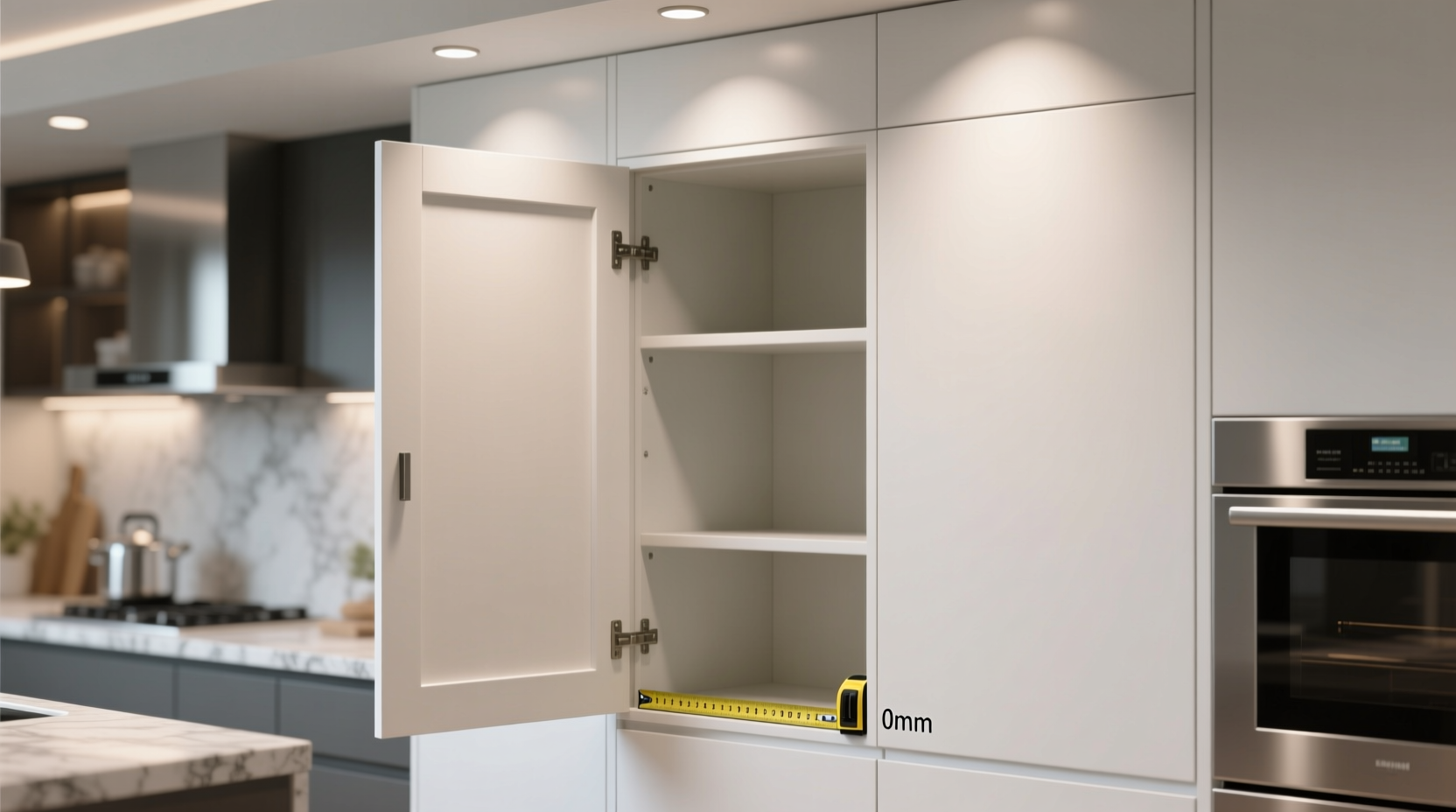
- Misaligned hardware: Always drill hinge mortises before mounting doors (use template guides)
- Warping panels: Baltic birch plywood must acclimate 72 hours in your workspace
- Weak joints: Relying solely on glue without mechanical fasteners (pocket screws essential)
- Measurement errors: Account for baseboard molding and uneven floors in height calculations
Advanced Techniques for Professional Results
Elevate your cabinets beyond basic construction with these pro methods:
Seamless Corner Solutions
For blind corner cabinets, install a lazy Susan with 1/4" plywood dividers. Cut shelves 1" smaller than cabinet interior to prevent binding during rotation. Use felt pads on all contact points.
Zero-Vibration Drawer Systems
Mount drawer slides to face frames instead of cabinet sides. This creates rigid support that eliminates sagging. Add 1/8" felt lining to drawer bottoms to muffle contents.
Material Sourcing Strategies
Maximize value without compromising quality:
- Reclaimed wood sources: Habitat for Humanity ReStores (inspect for nails/screws)
- Discount materials: Purchase "seconds" plywood (cosmetic flaws only) from lumber yards
- Hardware savings: Buy hinge packs in bulk (100+ units) for 40% discount
- Eco-alternative: Formaldehyde-free Baltic birch (look for CARB Phase 2 certification)
When to Consider Professional Help
While most cabinet projects are DIY-friendly, seek professional assistance for:
- Structural modifications requiring load-bearing wall changes
- Integrated appliance installations (refrigerator columns, steam ovens)
- Complex curved cabinet designs
FAQ: Cabinet DIY Essentials
How much time does a DIY cabinet project require?
A standard 10-foot kitchen cabinet run takes 80-120 hours for beginners. Break it into phases: 15 hours planning, 40 hours construction, 25 hours finishing. Weekend warriors typically complete in 3-4 weeks working 10 hours weekly.
What's the most cost-effective cabinet style for beginners?
Shaker-style cabinets deliver the best balance of affordability and professional results. Their simple flat-panel doors require minimal precision cutting, use standard 3/4" stock materials, and hide minor installation errors through clean lines. Avoid raised panel or curved designs for first projects.
Can I build cabinets without expensive tools?
Yes, but expect longer timelines. Essential minimum tools: circular saw with guide rail ($60), drill ($40), pocket hole jig ($35), and clamps. Rent a table saw for critical rip cuts ($40/day). Avoid hand tools for sheet goods - accuracy suffers significantly without power equipment.
How do I ensure perfect cabinet alignment on uneven walls?
Install a level ledger board along the entire run first. Shim individual cabinets to match this reference line. Use 1/8" spacers between units for consistent gaps. For severely uneven walls, build cabinets to wall contours rather than forcing perfect squareness.




 浙公网安备
33010002000092号
浙公网安备
33010002000092号 浙B2-20120091-4