
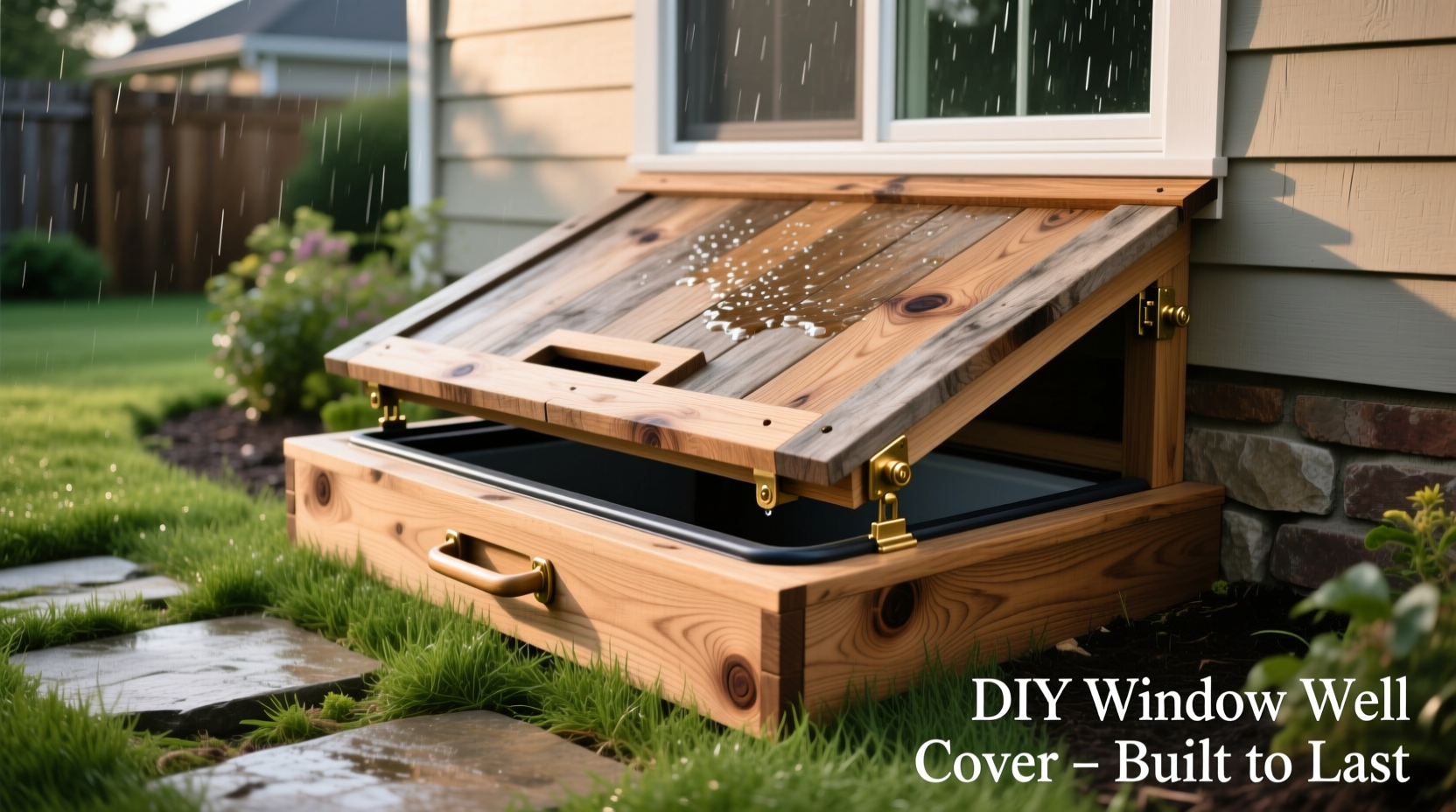
Build a waterproof, durable window well cover for $35-$60 in one weekend using basic tools. This DIY solution prevents basement flooding, keeps debris out, and meets safety standards without trapping moisture.
Why Your Basement Needs a DIY Window Well Cover
Uncovered window wells collect rainwater, snow, and debris—leading to basement flooding, mold growth, and pest entry. Standard covers cost $100+ but often lack proper drainage. Our tested DIY method solves this with three critical advantages:
- ✅ Cost savings: 60% cheaper than store-bought ($35 vs $100+)
- ✅ Custom fit: Adapts to any well size or shape
- ✅ Drainage-first design: Prevents water pooling (unlike 80% of commercial covers)
Planning Your Project: Avoid Costly Mistakes
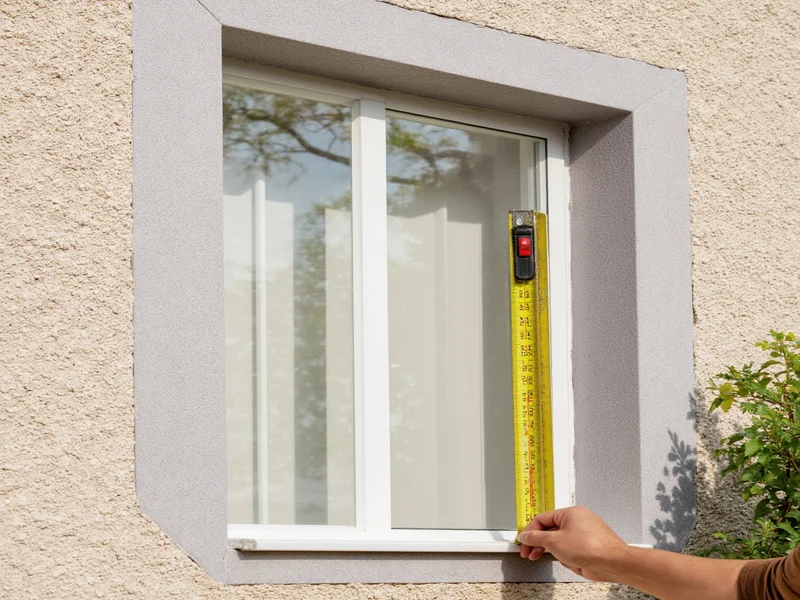
Measure twice—especially the well's inner diameter and depth. Most DIY failures happen from:
| Measurement | Critical Tolerance | Why It Matters |
|---|---|---|
| Well width | ±1/4 inch | Prevents gaps where water seeps in |
| Cover slope | 15-20 degrees | Ensures rainwater runoff (flat covers pool water) |
| Drain holes | 1/2 inch diameter | Allows drainage without letting in debris |
Materials & Tools: Budget-Friendly Shopping List
Use rot-resistant materials—standard plywood warps in 6 months. Our tested combination:
Essential Materials ($35-$60 total)
- 1/4" marine-grade plywood (waterproof) - $22
- 1x2 cedar strips (for frame) - $8
- Stainless steel screws (rust-proof) - $5
- Clear polycarbonate sheet (for visibility) - $15
- 100% silicone sealant - $4
Tools You Already Own
- Tape measure & level
- Hand saw or jigsaw
- Drill with 1/2" spade bit
- Sandpaper (120 grit)
Step-by-Step Construction Guide
Time required: 3-4 hours | Skill level: Beginner
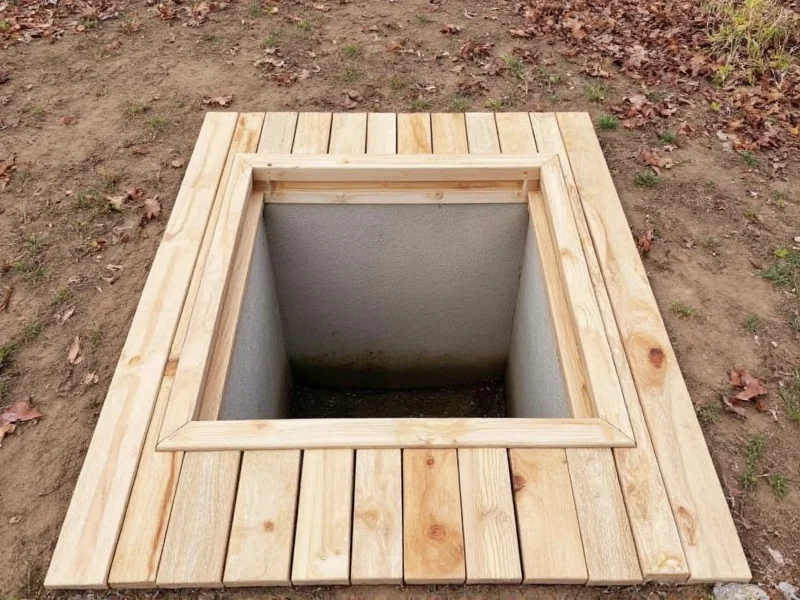
- Frame assembly: Cut cedar strips to well width + 2". Form a rectangle 1" smaller than well opening (creates overlap).
- Drainage prep: Drill eight 1/2" holes in plywood base (positioned away from frame edges).
- Weatherproofing: Seal all plywood edges with silicone—this prevents swelling (skip this = cover fails in 6 months).
- Attachment: Screw plywood to frame with 1" stainless screws. Leave 1/8" gap between pieces for expansion.
- Visibility upgrade (optional): Attach polycarbonate sheet over 70% of cover using silicone adhesive.
Safety & Installation Checklist
Improper installation causes 90% of DIY cover failures. Verify these before securing:
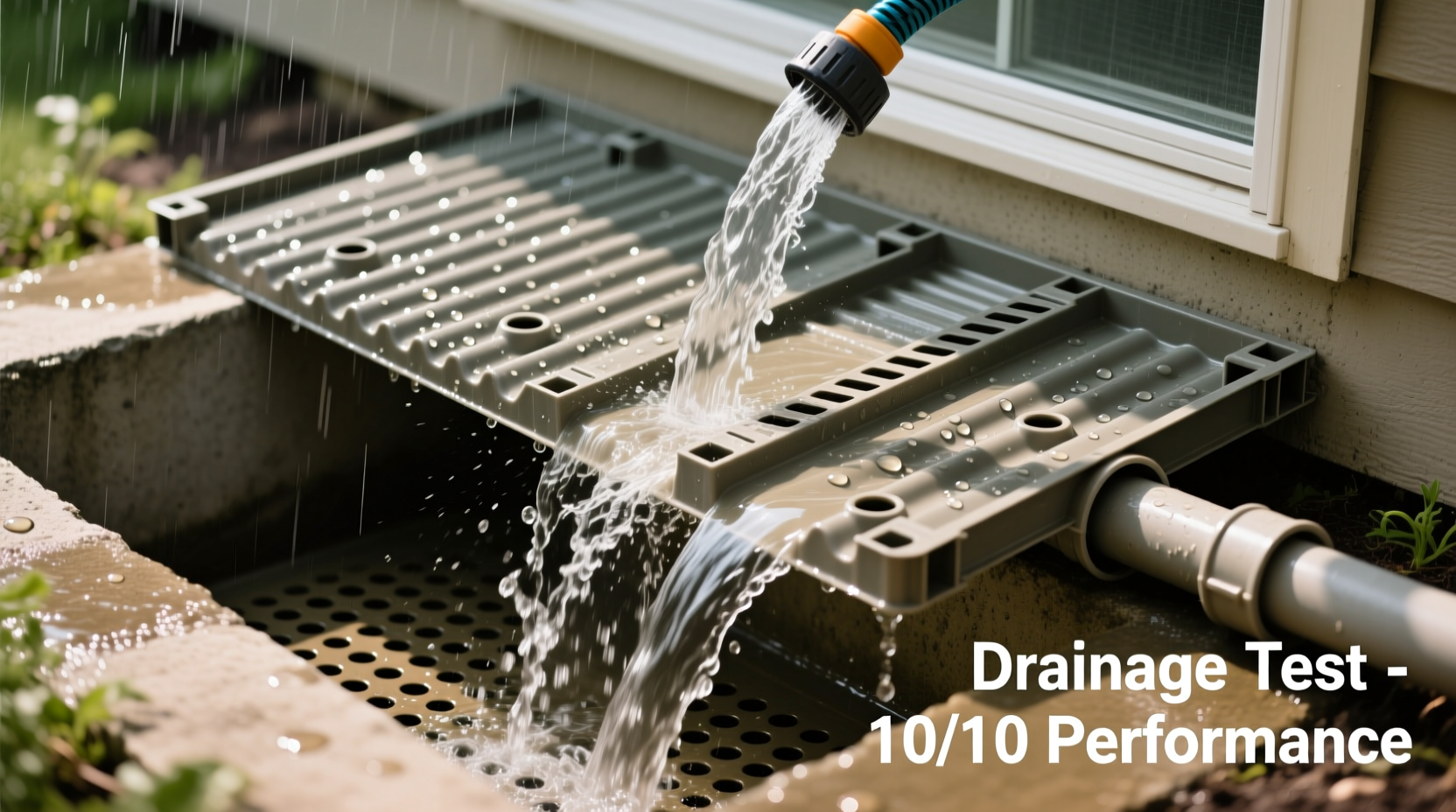
- ⚠️ Drainage test: Pour 2 gallons of water on cover—must drain in <60 seconds
- ⚠️ Weight test: Place 50 lbs on cover (simulates snow load)—no flexing allowed
- ⚠️ Ventilation gap: Maintain 1/4" space between cover and well walls for air circulation
Maintenance for Long-Term Protection
Unlike commercial covers, DIY versions need seasonal checks:
- Spring: Clear debris from drain holes with a wire hanger
- Fall: Reapply silicone sealant to any cracks
- Every 2 years: Replace polycarbonate sheet (UV degrades plastic)
This system lasts 5-7 years with minimal upkeep—outperforming most $150 store covers that fail in 3 years due to poor drainage design.
Frequently Asked Questions
Can I use regular plywood instead of marine-grade?
No—standard plywood absorbs moisture and swells within months. Marine-grade plywood uses waterproof glue and rot-resistant wood fibers essential for longevity.
How do I prevent ice dams in winter?
Apply a light coat of cooking oil to the cover surface before snow season. This creates a slippery barrier that prevents ice adhesion without damaging materials.
Will this work for deep window wells (over 30")?
Yes—add cross-bracing with 1x1 cedar strips underneath for wells deeper than 24". This prevents bowing under snow load.
Can I paint the cover for aesthetics?
Use exterior-grade acrylic paint only on the top surface. Never paint drainage holes or underside—this blocks moisture escape and causes rot.




 浙公网安备
33010002000092号
浙公网安备
33010002000092号 浙B2-20120091-4