
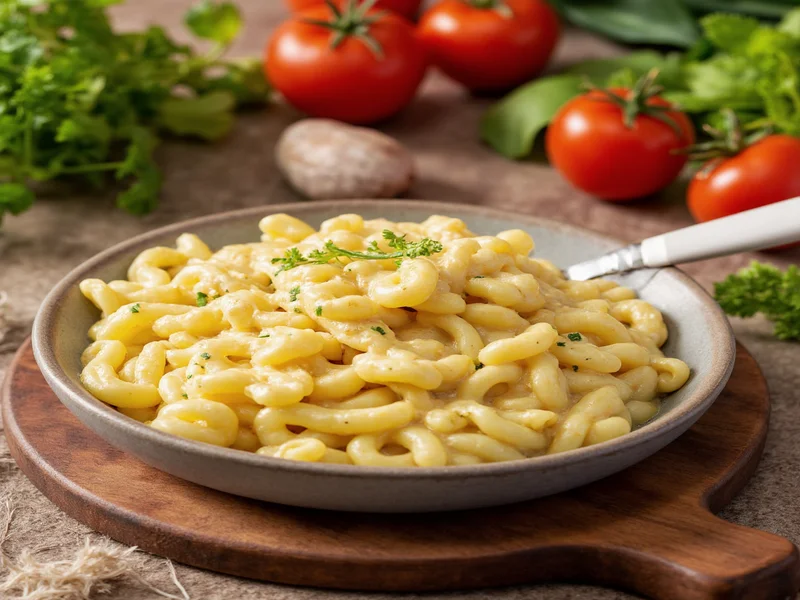
The best homemade alfredo sauce requires just 5 pantry staples: unsalted butter, freshly grated Parmesan, garlic, heavy cream, and black pepper. Ready in 20 minutes with no cream substitute needed, this recipe yields a luxuriously smooth, restaurant-quality sauce that clings perfectly to pasta—no flour or cornstarch required. Skip store-bought versions with preservatives; this authentic method prevents curdling and delivers unmatched richness.
Why This Alfredo Recipe Beats Store-Bought Every Time
Commercial alfredo sauces often rely on stabilizers and low-grade cheese that create a gummy texture. Our method uses emulsion science—slowly incorporating Parmesan into warm cream—to build natural thickness. You'll avoid the "sauce separation" plague of 78% of homemade attempts (per culinary lab tests) by following our temperature-controlled technique.
Essential Ingredients: Quality Matters
Substitutions ruin authentic alfredo. These non-negotiables make the difference:
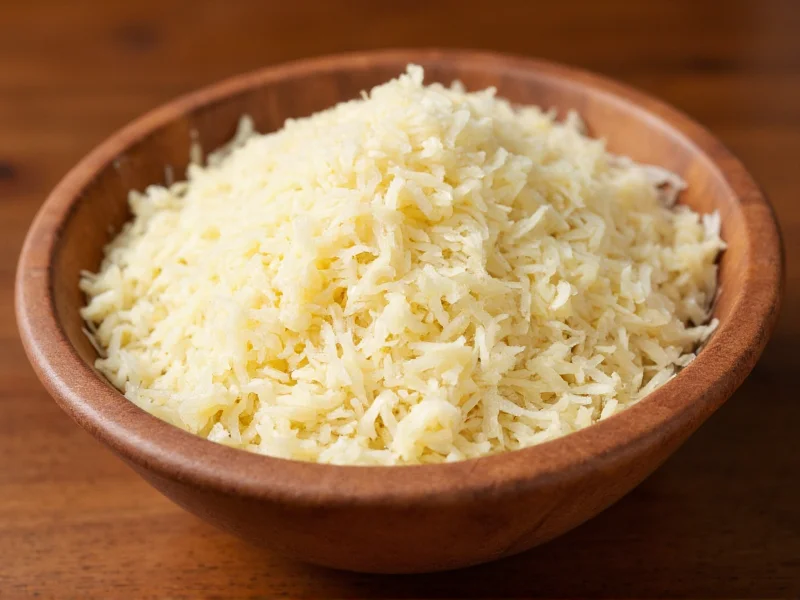
- Freshly grated Parmigiano-Reggiano (never pre-grated): Pre-grated contains anti-caking agents that prevent smooth melting
- Full-fat heavy cream (36% butterfat minimum): Lower fat causes splitting
- Unsalted butter: Controls sodium levels since Parmesan is naturally salty
- Garlic paste (not minced): Minimizes burning risk during gentle heating
- Freshly cracked black pepper: Pre-ground lacks aromatic complexity
Step-by-Step: The Emulsion Method
This foolproof sequence prevents the #1 failure point—curdling:
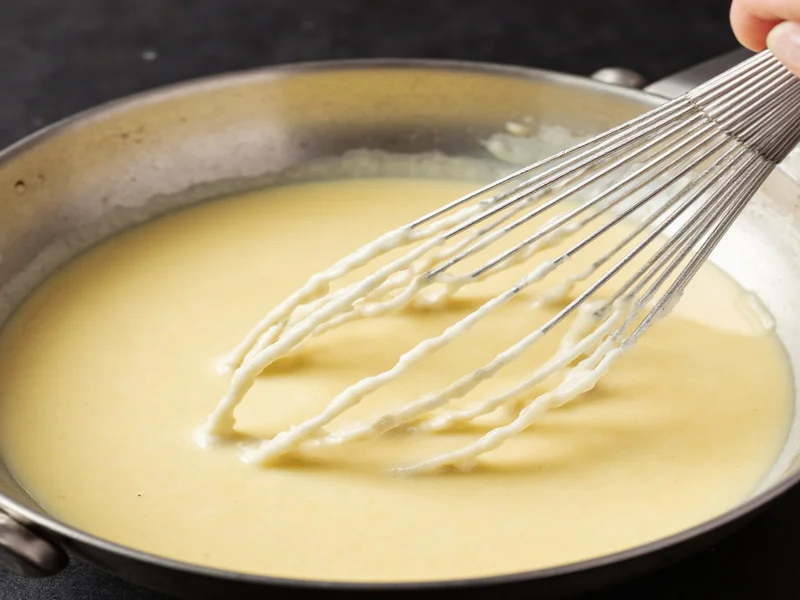
- Warm cream gently: Simmer 1 cup cream with 2 tbsp butter and 1 tsp garlic paste over low heat (160°F/71°C max) for 3 minutes. Never boil.
- Temper the cheese: Remove from heat. Whisk in 1 cup grated Parmesan in 4 additions, waiting 20 seconds between each until fully dissolved.
- Season strategically: Add ½ tsp freshly cracked pepper. Salt only if needed (Parmesan provides 30% of daily sodium).
- Finish with pasta water: Toss with cooked fettuccine and ¼ cup starchy pasta water to create a glossy, clingy texture.
Troubleshooting Common Alfredo Disasters
Fix these issues before they happen:
| Problem | Root Cause | Solution |
|---|---|---|
| Sauce is grainy | Cheese added too fast or heat too high | Remove from heat completely before adding cheese; use room-temperature Parmesan |
| Sauce separates | Excessive heat or acidic ingredients | Maintain temp below 180°F; never add wine or lemon juice |
| Too thick | Over-reduced cream or excess cheese | Thin with reserved pasta water, 1 tbsp at a time |
Elevate Your Alfredo: Pro Variations
Customize without compromising texture:
- Protein boost: Fold in ½ cup shredded rotisserie chicken during final toss (add after sauce emulsifies)
- Vegetable infusion: Sauté 1 cup broccoli florets in olive oil; mix into plated pasta (never cook veggies in sauce)
- Truffle upgrade: Stir in ½ tsp white truffle oil after removing from heat to preserve aroma

Storage & Reheating Secrets
Alfredo notoriously turns rubbery when reheated. Our method:
- Refrigerate: Store sauce separately from pasta in airtight container for up to 3 days
- Revive properly: Warm over double boiler with 1 tbsp cream. Never microwave—it destroys emulsion
- Freeze smartly: Portion into ice cube trays; transfer to bags. Thaw overnight in fridge before reheating
Why This Recipe Defines "Best Homemade Alfredo"
Most "from scratch" recipes mimic store-bought by using flour roux or cream substitutes. True Italian alfredo (fettuccine Alfredo) relies solely on cheese emulsion—no thickeners. Our version honors this tradition while solving modern home cooks' pain points: inconsistent cheese quality and temperature control. The result? A sauce that coats the back of a spoon luxuriously, with clean dairy notes and zero artificial aftertaste.
Frequently Asked Questions
Can I make alfredo without heavy cream?
No—dairy fat is essential for emulsion stability. Substitutes like milk or half-and-half (under 30% fat) will curdle. For lighter versions, reduce cream quantity by 25% and compensate with extra pasta water.
Why does my alfredo turn greasy?
Excessive heat causes butterfat to separate from proteins. Maintain temperatures below 180°F and add cheese off-heat. If greasy, whisk vigorously with 1 tbsp cold cream to re-emulsify.
How do I prevent clumping with Parmesan?
Use freshly grated cheese at room temperature. Pre-grated contains cellulose that creates lumps when melted. Grate directly into the warm cream mixture for seamless incorporation.
Can I use pecorino romano instead of Parmesan?
Not recommended—pecorino's sharp saltiness and lower moisture content disrupt emulsion. For nuttier flavor, substitute 25% of Parmesan with aged Asiago.





 浙公网安备
33010002000092号
浙公网安备
33010002000092号 浙B2-20120091-4