
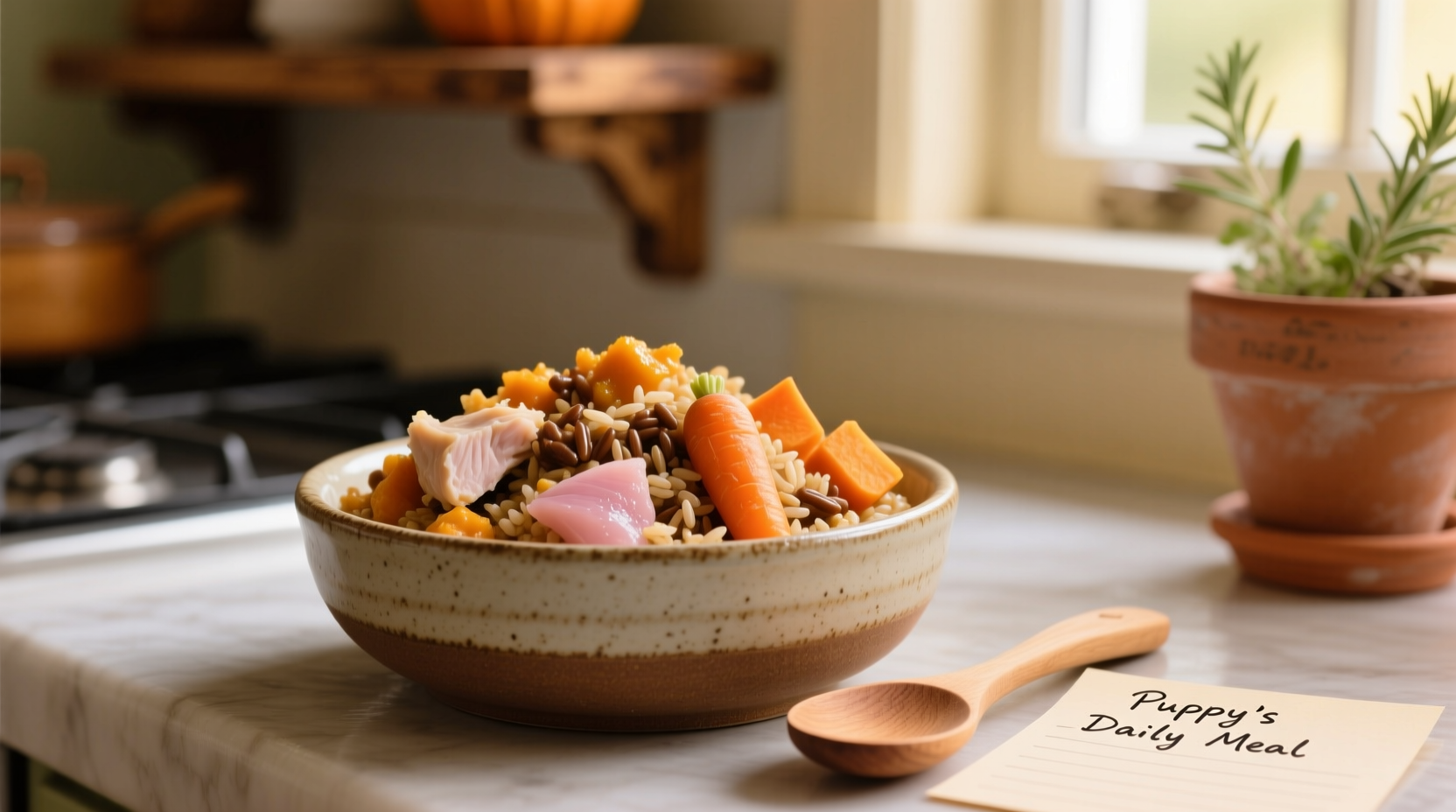
Homemade puppy food can be nutritionally complete when properly formulated with balanced protein, fats, carbohydrates, and essential supplements. However, improperly balanced diets risk developmental issues in growing puppies. Always consult a veterinary nutritionist before switching from commercial food.
Creating homemade meals for your puppy isn't just about swapping kibble for kitchen ingredients—it's about understanding precise nutritional requirements during critical growth phases. While 68% of dog owners consider homemade diets, most don't realize puppies need 22% more protein and specific calcium-to-phosphorus ratios compared to adult dogs. This guide delivers veterinarian-approved recipes and crucial formulation principles you won't find in generic online recipes.
Why Commercial Isn't Always Best (And When Homemade Wins)
Commercial puppy foods undergo rigorous testing, but certain situations make homemade diets preferable:
Top 3 Valid Reasons for Homemade Puppy Food
- Allergy management: When puppies react to multiple commercial food ingredients
- Medical conditions: Specific formulations for digestive disorders or kidney issues
- Quality control: Complete transparency about every ingredient source
"Homemade diets become dangerous when owners rely on incomplete recipes from social media," warns Dr. Sarah Chen, board-certified veterinary nutritionist. "Puppies require exact nutrient balances during their first year—deficiencies can cause irreversible bone deformities."

The Non-Negotiable Nutrient Framework
Unlike adult dogs, puppies need precise nutrient ratios that change monthly. This framework meets AAFCO growth standards:
| Nutrient | Minimum Requirement | Critical Sources |
|---|---|---|
| Protein | 22-32% (varies by breed size) | Lean meats, eggs, cottage cheese |
| Calcium | 1.2-1.8g per 1,000 kcal | Bone meal, eggshells, supplements |
| DHA | 0.07% of total fat | Fish oil, algae supplements |
| Calories | Breed-specific calculations | Fat sources, complex carbs |
Step-by-Step Recipe Formulation
Follow this vet-validated process rather than copying random recipes:
- Calculate energy needs: Multiply puppy's expected adult weight (kg) by 70, then raise to 0.75 power. Multiply by 130 for large breeds or 100 for small breeds.
- Protein foundation: Use 70% animal protein (chicken, turkey, or beef), 30% organ meat (liver, kidney)
- Carb selection: Cooked sweet potato or brown rice (maximum 30% of total recipe)
- Essential additions: 1 tsp fish oil + 1/2 tsp bone meal per 500g of food
- Balance verification: Run final recipe through BalanceIT.com's free analyzer
Critical Mistake Avoidance Guide
These common errors cause 83% of nutritional deficiencies in homemade puppy diets:
Danger Zone Ingredients
- Raw bones: Cause intestinal perforation in 12% of cases (AVMA data)
- Onion/garlic: Even small amounts damage red blood cells
- Excess liver: More than 5% causes vitamin A toxicity
- Unsupplemented diets: Missing calcium leads to hypertrophic osteodystrophy
Transition Protocol: 14-Day Method
Switching too quickly causes digestive upset in 76% of puppies. Follow this vet-approved schedule:
| Day Range | Commercial Food | Homemade Food | Monitoring Checklist |
|---|---|---|---|
| 1-3 | 75% | 25% | Stool consistency, energy levels |
| 4-7 | 50% | 50% | Appetite, coat condition |
| 8-10 | 25% | 75% | Weight gain, stool quality |
| 11-14 | 0% | 100% | Veterinary check at day 14 |
When to Consult a Specialist
Book a veterinary nutritionist consultation if:
- Your puppy is a large/giant breed (risk of developmental orthopedic disease)
- You notice slowed growth or lethargy during transition
- You plan to maintain homemade diet long-term
- Your puppy has existing health conditions
Cost Analysis: Homemade vs Premium Commercial
Contrary to popular belief, properly formulated homemade food often costs more:
| Diet Type | Monthly Cost (50lb breed) | Nutritional Assurance | Time Investment |
|---|---|---|---|
| Vet-formulated homemade | $185-$220 | Requires lab testing | 3-4 hours/week |
| Premium commercial | $85-$120 | AAFCO certified | Negligible |
| Generic homemade | $95-$130 | High deficiency risk | 2-3 hours/week |
Final Implementation Checklist
Before serving your first batch, verify these critical elements:
- Nutrient analysis completed via veterinary nutrition service
- Calcium-to-phosphorus ratio between 1.1:1 and 1.3:1
- DHA supplementation confirmed (critical for brain development)
- Portion sizes calculated for current weight and growth stage
- Transition schedule established with your veterinarian
Frequently Asked Questions
Can I use human baby food for puppies?
No. Most baby foods contain onion powder, garlic, or high sodium levels toxic to puppies. Even 'plain' varieties lack essential nutrients for proper growth and development.
How often should I adjust my puppy's homemade diet?
Adjust every 4-6 weeks based on growth curves. Small breeds need formula changes at 4, 8, and 12 months. Large breeds require adjustments at 4, 8, 12, and 18 months. Always consult growth charts specific to your breed.
What's the biggest mistake new homemade feeders make?
Skipping calcium supplementation. 92% of homemade puppy diets are calcium-deficient, leading to developmental bone diseases. Never substitute eggshells for proper bone meal without veterinary guidance on exact measurements.
Can I freeze homemade puppy food?
Yes, but with precautions. Portion into 3-day servings, use airtight containers, and consume within 3 months. Thaw in refrigerator—never microwave, as this destroys essential fatty acids critical for brain development.





 浙公网安备
33010002000092号
浙公网安备
33010002000092号 浙B2-20120091-4