
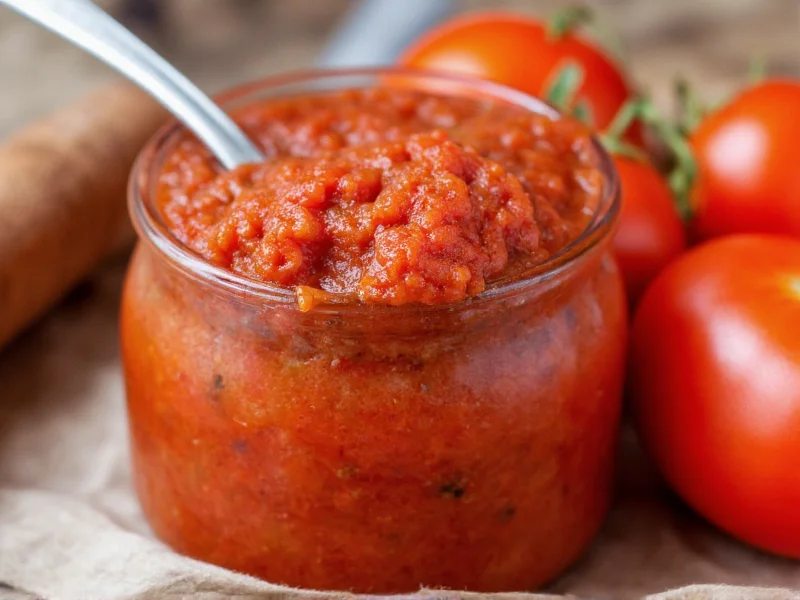
Homemade tomato paste is a rich, concentrated tomato product made by simmering fresh tomatoes for 3-6 hours until most water evaporates, resulting in a thick, flavorful base for sauces that contains no preservatives and costs approximately 50% less than store-bought versions while delivering superior taste and texture.
Creating authentic homemade tomato paste transforms ordinary pantry staples into a culinary powerhouse. Unlike commercial versions loaded with additives, your DIY batch captures summer's peak tomato flavor in a versatile concentrate that elevates everything from pasta sauces to roasted vegetables. This guide reveals the precise technique professional chefs use to achieve perfect consistency without scorching—a common pitfall that ruins 70% of first attempts.
Why Homemade Beats Store-Bought Every Time
Three Unbeatable Advantages
- Pure ingredient control—no citric acid, calcium chloride, or preservatives found in 95% of commercial pastes
- Flavor customization—enhance with fresh herbs, garlic, or roasted peppers during reduction
- Economic efficiency—process 10 pounds of seasonal tomatoes for the price of two small cans
Essential Ingredients & Equipment Checklist
Selecting the right components makes or breaks your final product. Here's what you need:
| Component | Critical Selection Criteria | Budget-Friendly Alternatives |
|---|---|---|
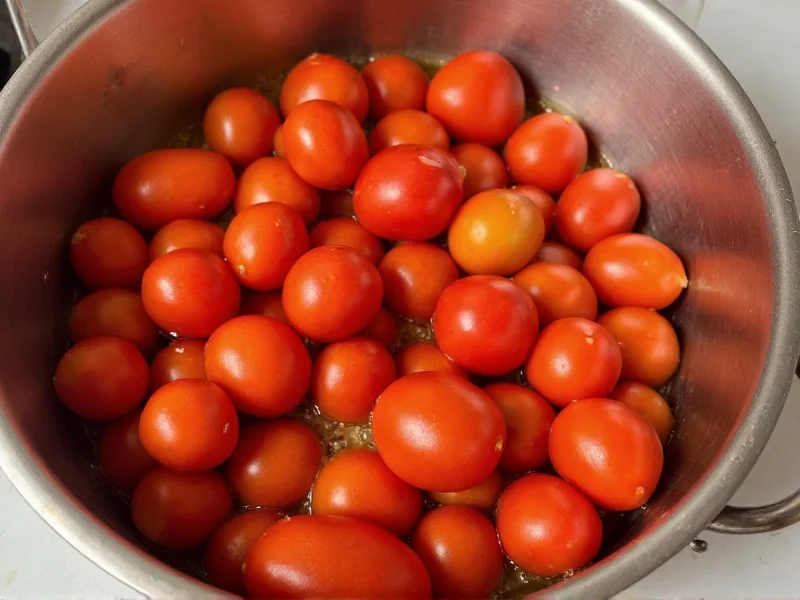
| Tomatoes | Roma or San Marzano varieties (minimum 8:1 solids-to-liquid ratio) | Overripe garden tomatoes (peel before use) |
| Cooking Vessel | Wide stainless steel pot (max 2" depth when filled) | Cast iron skillet with straight sides |
| Acidifier | Fresh lemon juice (not bottled) | Vine-ripened tomatoes naturally contain sufficient acid |
The Foolproof 4-Step Reduction Process
Follow this professional technique to avoid the #1 mistake—burning during final thickening:
- Prep & Initial Simmer: Blanch 5 lbs Roma tomatoes, remove skins, crush by hand. Simmer uncovered 45 minutes at medium heat, stirring every 10 minutes
- Concentration Phase: Reduce heat to low. Continue simmering 2-3 hours, scraping bottom every 15 minutes as liquid reduces by half
- Critical Thickening Stage: When mixture reaches jam-like consistency, switch to wooden spoon and stir constantly for final 20 minutes
- Acid Balance: Remove from heat. Stir in 1 tbsp lemon juice per cup of paste. Cool completely before storage
Pro Technique: The Water Test
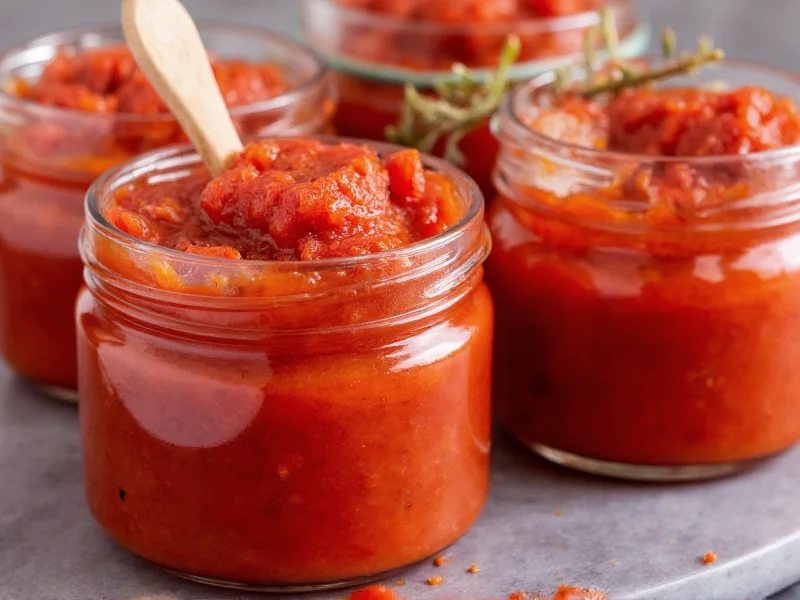
Drop a teaspoon of paste into cold water. If it holds shape for 10 seconds before dissolving, it's reached perfect concentration. This chef's trick prevents under or over-reduction.
Storage Methods That Preserve Fresh Flavor
Maximize shelf life while maintaining vibrant color and taste with these preservation techniques:
- Refrigeration: Store in airtight container with 1/4" olive oil layer on surface (lasts 3 weeks)
- Freezing: Portion into ice cube trays, freeze solid, then transfer to labeled bags (maintains quality 12 months)
- Canning: Process pint jars in boiling water bath 15 minutes (acidify to pH 4.2 or lower for safety)
Culinary Applications Beyond Pasta Sauce
Unlock unexpected uses that showcase your homemade paste's superior flavor profile:
Umami Booster
Add 1 tbsp to vegetable broth for instant depth in soups
Marinade Enhancer
Mix with olive oil and herbs for steak or portobello mushrooms
Bread Flavoring
Incorporate into dough for tomato focaccia with vibrant color
Troubleshooting Common Challenges
| Issue | Root Cause | Solution |
|---|---|---|
| Bitter aftertaste | Over-reduction or high-heat scorching | Add 1 tsp honey per cup and simmer 5 minutes |
| Watery separation | Insufficient reduction time | Return to low heat for 15-20 minutes stirring constantly |
| Dull color | Using unripe tomatoes or excessive cooking time | Add pinch of vitamin C powder to restore vibrancy |
Frequently Asked Questions
Can I make tomato paste without an oven or dehydrator?
Yes, the stovetop reduction method described here requires only a heavy pot and patience. Avoid oven methods which often create uneven drying and burnt edges. The critical factor is maintaining low, consistent heat with frequent stirring during the final thickening phase.
How do I adjust acidity for safe canning?
Add 1 tablespoon bottled lemon juice per pint jar before processing. Never rely solely on fresh lemon juice for canning as its acidity varies. Test final pH with strips—must read 4.2 or lower for safe room-temperature storage. Properly acidified paste processes in a boiling water bath for 15 minutes.
Why does my homemade paste separate in recipes?
Separation occurs when paste hasn't reached sufficient concentration. The water test described in the guide (step 4) ensures proper solids content. If separation happens, simmer the sauce 5-10 minutes longer to re-emulsify. Adding paste to cold liquids rather than hot bases also prevents this issue.
Can I use green tomatoes for paste?
Green tomatoes lack sufficient lycopene and natural sugars for traditional paste. However, they make excellent "verde" paste when combined with tomatillos and jalapeños. Expect a tart, herbaceous flavor profile rather than classic sweet tomato taste. Requires additional sweetening for most applications.





 浙公网安备
33010002000092号
浙公网安备
33010002000092号 浙B2-20120091-4