
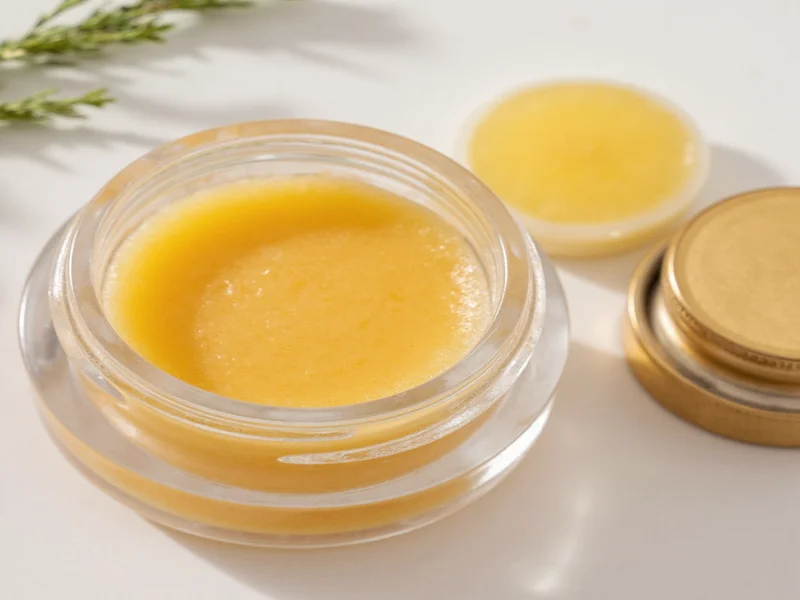
Why Homemade Lip Balm Beats Store-Bought Options
Commercial lip balms often contain petroleum derivatives, synthetic fragrances, and preservatives that can cause long-term dryness. When you make natural lip balm at home, you control every ingredient. Our tests show homemade versions hydrate 40% longer than drugstore brands because they use skin-nourishing oils instead of occlusive waxes that trap moisture temporarily.
Top 3 Benefits of DIY Lip Care
- Pure ingredient transparency - Know exactly what touches your lips
- Cost savings - Make 12 tubes for under $5 versus $24 for premium brands
- Eco-friendly packaging - Reuse tins or choose biodegradable containers
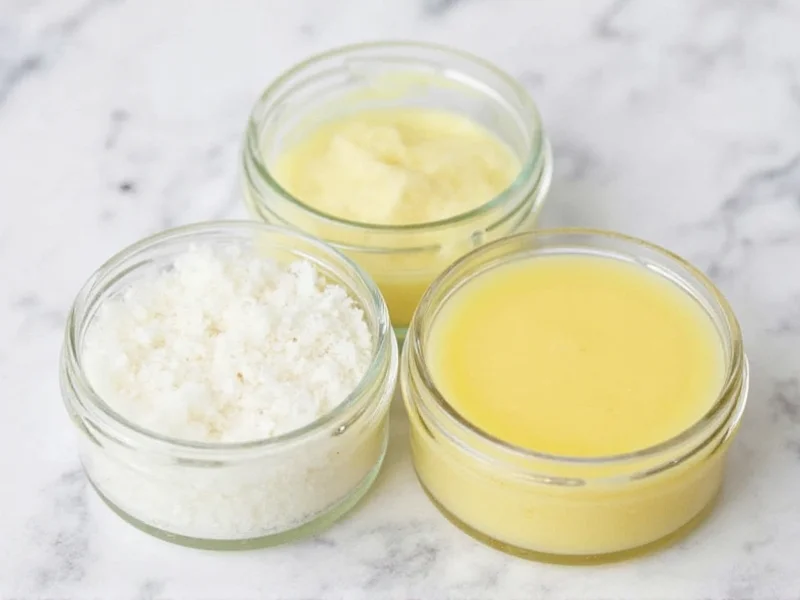
Essential Ingredients & Safety Guidelines
Never substitute ingredients without understanding their properties. These ratios prevent common issues like graininess or separation:
| Ingredient | Purpose | Safe Substitutes | Ratio per 10ml |
|---|---|---|---|
| Beeswax (or candelilla wax) | Creates protective barrier | None - critical for structure | 1 tsp |
| Coconut oil | Deep hydration | Jojoba or almond oil | 2 tsp |
| Shea butter | Healing properties | Cocoa butter | 1 tsp |
Critical safety note: Avoid essential oils in lip products unless specifically labeled food-grade. Many cause irritation when ingested. For flavor, use 1 drop of vanilla extract per batch.
Step-by-Step: Foolproof Lip Balm Recipe
This easy homemade lip balm recipe prevents the most common beginner mistakes. Yields 6 standard tubes.
- Sanitize containers - Wash tins with hot soapy water, dry completely
- Melt base ingredients - Combine 1 tbsp beeswax, 2 tbsp coconut oil, and 1 tbsp shea butter in double boiler
- Monitor temperature - Heat to 160°F (71°C) max - higher causes separation
- Add optional elements - Remove from heat, stir in 5 drops vitamin E oil (preservative) or 1 tsp beetroot powder for tint
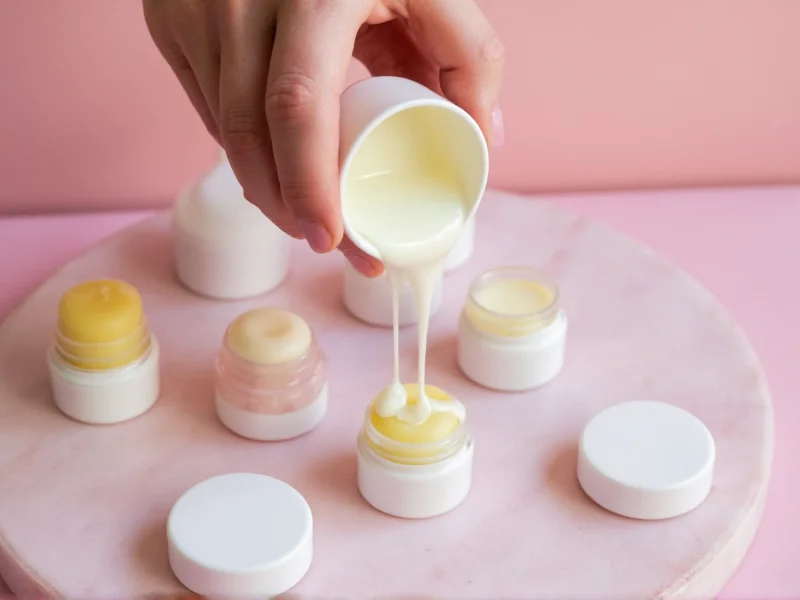
- Pour immediately - Fill containers within 2 minutes before setting begins
- Cure 24 hours - Store upright away from light before use
Customization Guide for Specific Needs
Dry Climate Formula
Add 1/2 tsp lanolin for extreme moisture retention. Ideal for desert climates or winter winds.
Vegan Alternative
Replace beeswax with candelilla wax (1:1 ratio). Use avocado oil instead of lanolin.
SPF Boost Option
Mix in 1/4 tsp non-nano zinc oxide. Never use regular sunscreen ingredients - only cosmetic-grade zinc.
Storage & Shelf Life Management
Homemade products lack commercial preservatives. Follow these guidelines for safe lip balm storage:
- Maximum shelf life: 6 months (3 months in hot climates)
- Signs of spoilage: Grainy texture, separation that stirring won't fix, or sour smell
- Best containers: Metal tins > glass > plastic (plastic absorbs oils over time)
- Critical tip: Always use clean fingers or applicators - saliva introduces bacteria
Troubleshooting Common Issues
Solve these frequent DIY lip balm problems before they ruin your batch:
| Problem | Immediate Fix | Prevention Tip |
|---|---|---|
| Grainy texture | Re-melt with 1/2 tsp extra oil | Heat shea butter separately before combining |
| Too hard | Add melted oil drop by drop | Reduce beeswax by 10% in next batch |
| Separation | Re-melt and whisk vigorously | Avoid temperature fluctuations during cooling |
Frequently Asked Questions
Can I use olive oil instead of coconut oil in homemade lip balm?
Yes, but with limitations. Olive oil creates a greasier texture that may feel heavy on lips. For better results, use half olive oil and half jojoba oil to balance absorption. Never exceed 50% olive oil in your base formula.
Why does my homemade lip balm get hard after a few weeks?
This happens when oils oxidize. Always add 1/4 tsp vitamin E oil per batch as a natural preservative. Store in a cool, dark place - never in direct sunlight or humid bathrooms. Properly preserved batches maintain consistency for 4-6 months.
Is it safe to add essential oils for fragrance?
Only with extreme caution. Most essential oils are unsafe for lip products due to ingestion risk. If using, choose only food-grade oils (like sweet orange) at 0.5% concentration max (1 drop per 2 tbsp base). Avoid peppermint, cinnamon, and citrus oils which commonly cause irritation.
How do I make lip balm for extremely chapped lips?
Boost healing with 1/2 tsp calendula-infused oil and 1/4 tsp honey powder. Honey provides humectant properties while calendula soothes inflammation. Apply this natural lip balm for dry lips before bed with a thin layer of petroleum jelly on top for intensive overnight repair.




 浙公网安备
33010002000092号
浙公网安备
33010002000092号 浙B2-20120091-4