
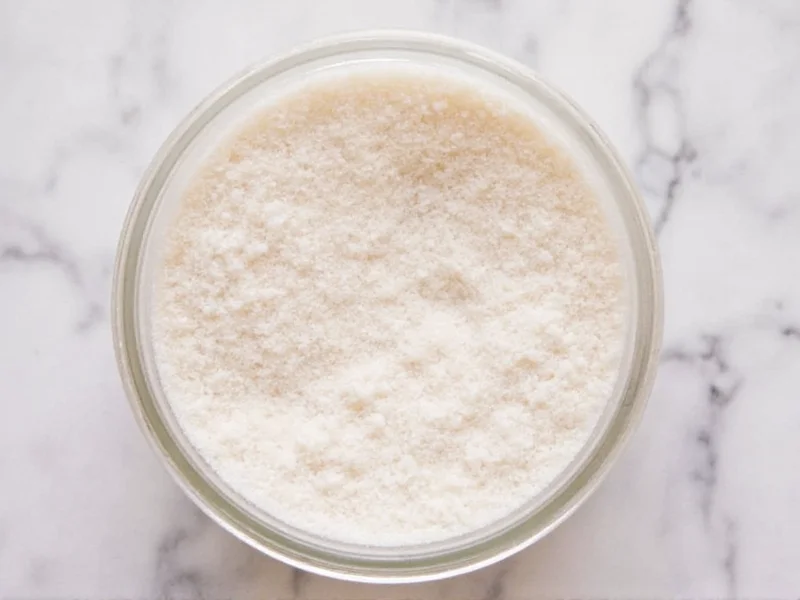
Why Homemade Dry Shampoo Outperforms Store-Bought Versions
Commercial dry shampoos often contain propellants, synthetic fragrances, and alcohol that strip natural oils and damage hair over time. When you make your own dry shampoo at home, you control every ingredient—eliminating unnecessary chemicals while customizing for your specific hair needs. The average bottle costs under $2 to create versus $15+ for premium brands, making this one of the most cost-effective haircare solutions available.
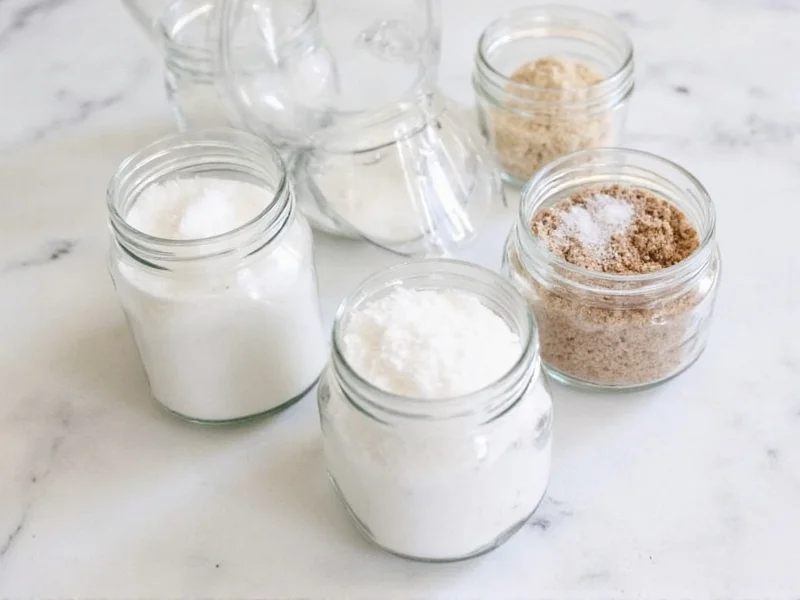
Understanding How Natural Dry Shampoo Works
Dry shampoo functions through oil absorption. The starches in common kitchen ingredients like cornstarch or arrowroot powder bind to sebum on your scalp, instantly refreshing hair without water. Unlike aerosol sprays that leave residue, homemade versions use finely milled powders that distribute evenly through hair strands.
Key Absorption Science
- Starch molecules have hydrophobic properties that attract oil
- Fine particle size ensures even distribution without white cast
- Natural ingredients add volume while cleansing
- No propellants means no scalp irritation
Essential Ingredients Guide
Creating effective homemade dry shampoo requires understanding each component's purpose. These natural alternatives provide superior results to commercial options while being gentle on all hair types.
| Ingredient | Best For | Key Benefit |
|---|---|---|
| Cornstarch | Light to medium hair | Superior oil absorption |
| Arrowroot powder | Finer hair textures | Less noticeable residue |
| Cocoa powder | Dark hair tones | Eliminates white cast |
| Rice starch | Sensitive scalps | Gentle cleansing action |
Three Professional-Grade Recipes for Every Hair Type
Lightweight Formula for Fine Hair
This barely-there formula adds volume without weighing down delicate strands. Perfect for blonde or light brown hair.
- ¼ cup arrowroot powder (finer texture than cornstarch)
- 2 tablespoons kaolin clay (adds volume)
- 10 drops lavender essential oil (optional)
Dark Hair Formula for Brunettes
Say goodbye to white residue with this customized blend that disappears into darker hair tones.
- 3 tablespoons cornstarch
- 1 tablespoon cocoa powder
- 1 teaspoon cinnamon (for warm tones)
- 5 drops rosemary essential oil
Volumizing Treatment for Thick Hair
This intensive formula penetrates dense strands while adding remarkable body.
- ¼ cup rice starch
- 1 tablespoon activated charcoal (deep cleansing)
- 15 drops peppermint oil (stimulates scalp)
Pro Application Techniques You've Never Tried
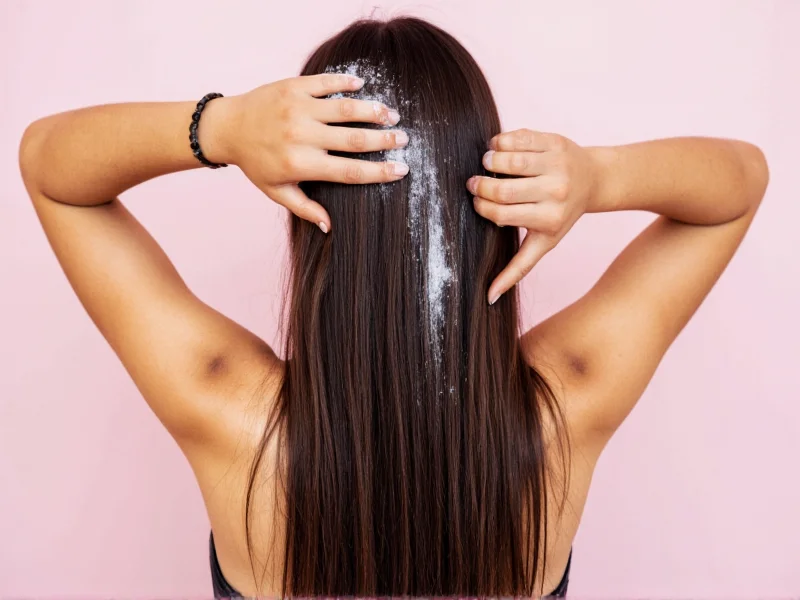
Most people apply dry shampoo incorrectly, reducing its effectiveness. Follow these professional methods for salon-quality results:
- Section hair into 1-inch parts for even distribution
- Hold applicator 6 inches from scalp and spray/puff in 2-second bursts
- Wait 2 minutes before massaging to allow full oil absorption
- Use boar bristle brush to distribute through ends
- For stubborn roots, apply with cotton swab directly to problem areas
Seasonal Adjustments
Modify your formula based on weather conditions:
- Humid months: Add 1 tsp bentonite clay for extra oil control
- Dry winter: Include ½ tsp jojoba oil for moisture balance
- Summer festivals: Double essential oils for extended freshness
Troubleshooting Common Issues
Even perfect recipes need adjustment for individual hair chemistry. Solve these frequent problems:
- White residue remains: Switch to arrowroot base or add cocoa powder proportionally to hair darkness
- Not enough absorption: Increase starch ratio by 25% or add 1 tsp silica powder
- Scent disappears quickly: Mix essential oils with 1 tsp fractionated coconut oil before adding
- Causes itching: Eliminate essential oils and use only food-grade starches
Storage Solutions for Maximum Freshness
Homemade dry shampoo maintains potency for 3-6 months when stored properly. Avoid these common storage mistakes:
- Never keep in bathroom (humidity degrades effectiveness)
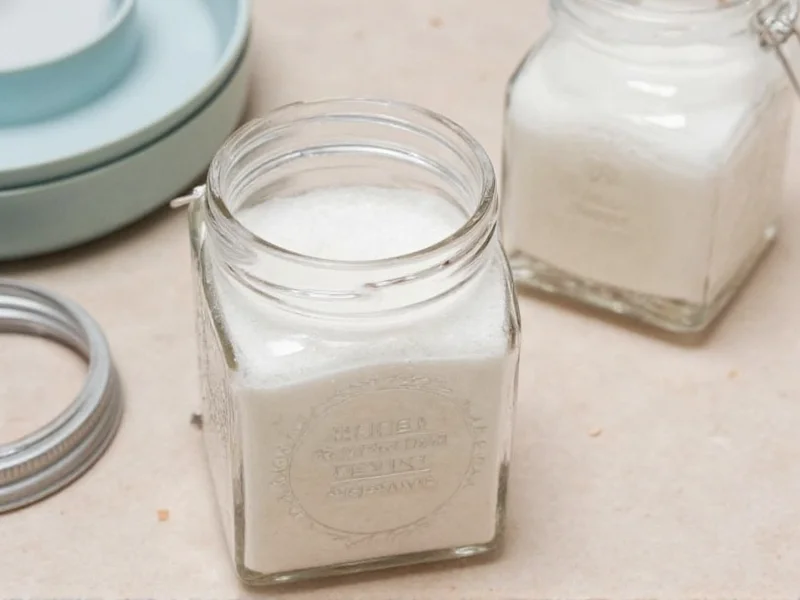
- Use airtight glass container with shaker top
- Store in cool, dark place like kitchen cabinet
- Add 1-2 silica gel packets to prevent clumping
Advanced Customization Options
Elevate your basic formula with these professional enhancements:
- Color-correcting: Add beetroot powder for red tones or spirulina for ash blonde
- Scalp treatment: Incorporate 1 tsp neem powder for dandruff control
- Heat protection: Blend in ½ tsp aloe vera powder before styling
- Night treatment: Apply before bed with silk scarf for deep cleansing
Frequently Asked Questions
How often can I safely use homemade dry shampoo?
You can use natural dry shampoo 2-3 times between washes without damaging hair. Unlike commercial versions with alcohol, starch-based formulas don't strip natural oils excessively. For optimal scalp health, never exceed 4 consecutive days without washing.
Will cornstarch dry shampoo cause hair loss?
No scientific evidence links cornstarch to hair loss. When properly applied and massaged, starch-based dry shampoo actually reduces hair breakage by minimizing frequent washing. Avoid excessive application which can cause temporary matting that might lead to breakage during brushing.
Can I use homemade dry shampoo on colored hair?
Yes, natural dry shampoo is actually safer for color-treated hair than aerosol versions. The absence of alcohol and harsh solvents prevents color fading. For vibrant colors, skip cocoa powder in your formula and use arrowroot base with minimal essential oils to avoid any potential interaction with dye molecules.
What's the best container for homemade dry shampoo?
A glass container with a fine-mist shaker top works best. Repurpose an empty spice jar or purchase a reusable cosmetic container. Avoid plastic which can react with essential oils over time. For travel, use a small metal tin with a brush applicator to prevent spills and ensure precise application.





 浙公网安备
33010002000092号
浙公网安备
33010002000092号 浙B2-20120091-4