
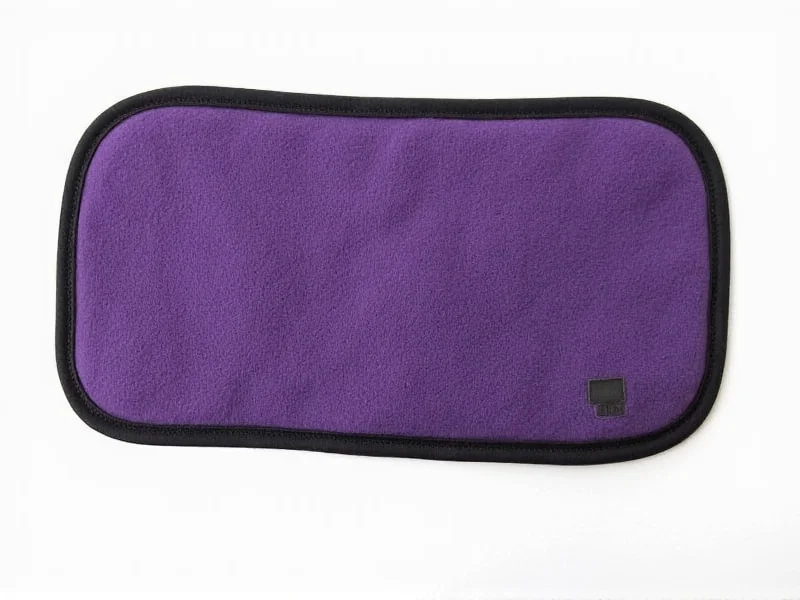
Why Make Your Own Heating Pad?
Commercial heating pads work, but a homemade heating pad offers unique advantages you won't find in store-bought versions. When you craft your own, you control every element for personalized comfort and safety. Here's what makes DIY solutions stand out:
- Zero chemical exposure - Avoid synthetic gels and plastics
- Cost under $3 - Uses pantry staples and fabric scraps
- Customizable heat duration - Adjust fill material for 15-45 minute warmth
- Eco-friendly - Reusable for 2+ years with proper care
- Perfect for sensitive skin - Gentle natural fabrics reduce irritation
Critical Safety First: Avoid Burns and Hazards
Before making your microwaveable heating pad for sore muscles, understand these non-negotiable safety rules. Improper construction causes 12,000+ ER visits annually according to the CPSC:
| Hazard | Solution | Testing Method |
|---|---|---|
| Overheating | Never microwave >60 seconds | Test on inner wrist for 10 seconds |
| Hot spots | Use fine grain rice or flaxseed | Squeeze pad immediately after heating |
| Fire risk | Avoid metal zippers/buttons | Run magnet over finished pad |
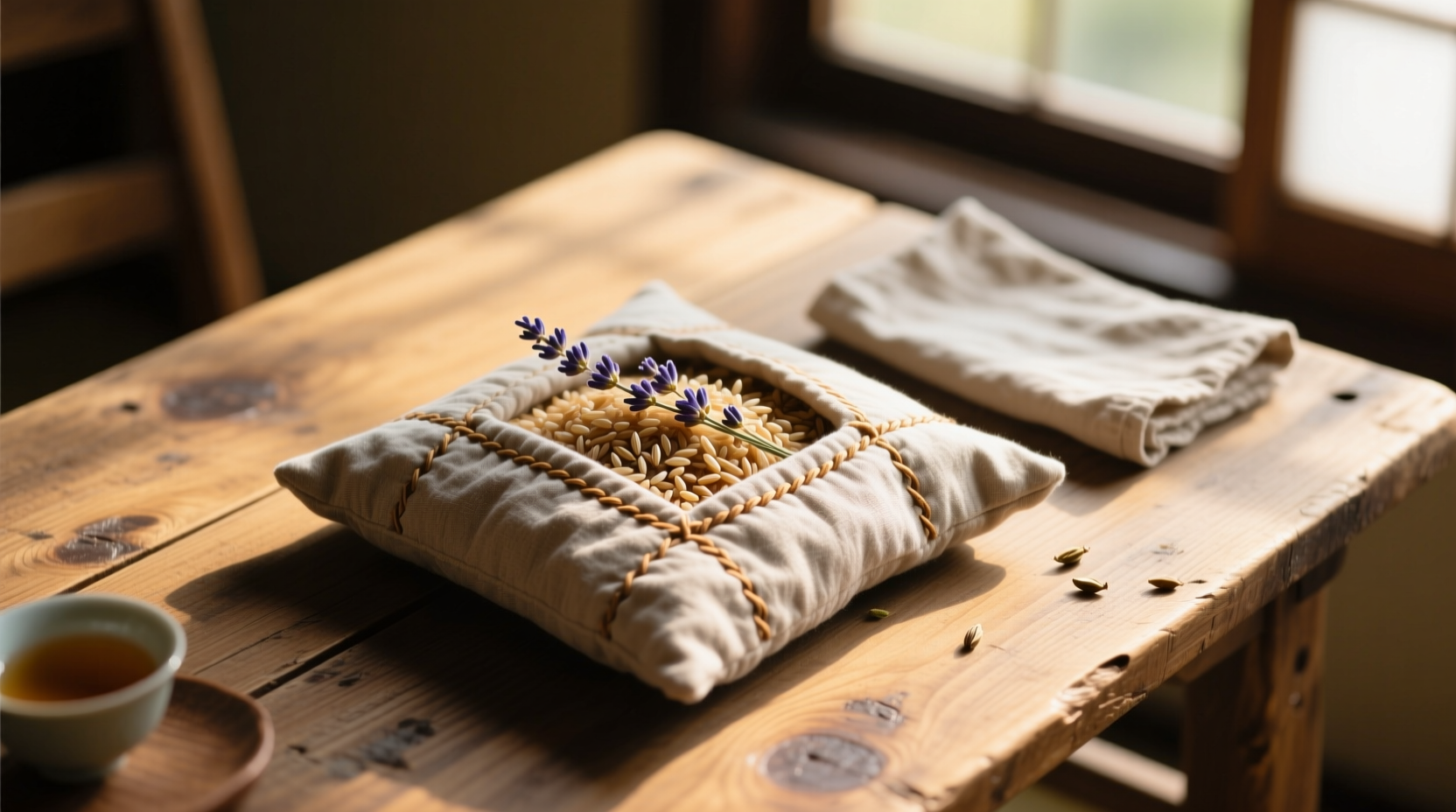
3 Foolproof Homemade Heating Pad Methods
Choose the method matching your skill level and materials. All options use easy homemade heating pad with rice techniques requiring no special tools.
Rice Sock Method (Beginner)
Ideal for first-timers using household items. Takes 15 minutes with zero sewing.
- Cotton tube sock (no holes)
- 1.5 cups uncooked white rice
- Essential oil (optional)
- Rubber band
- Fill sock ⅔ full with rice + 5 drops lavender oil
- Tie end tightly with rubber band
- Microwave 45 seconds on medium power
- Shake gently before use
Flaxseed Pad (Long-Lasting Heat)
Perfect for homemade heating pad for period cramps with 40+ minutes of consistent warmth. Flaxseed retains heat 3x longer than rice.
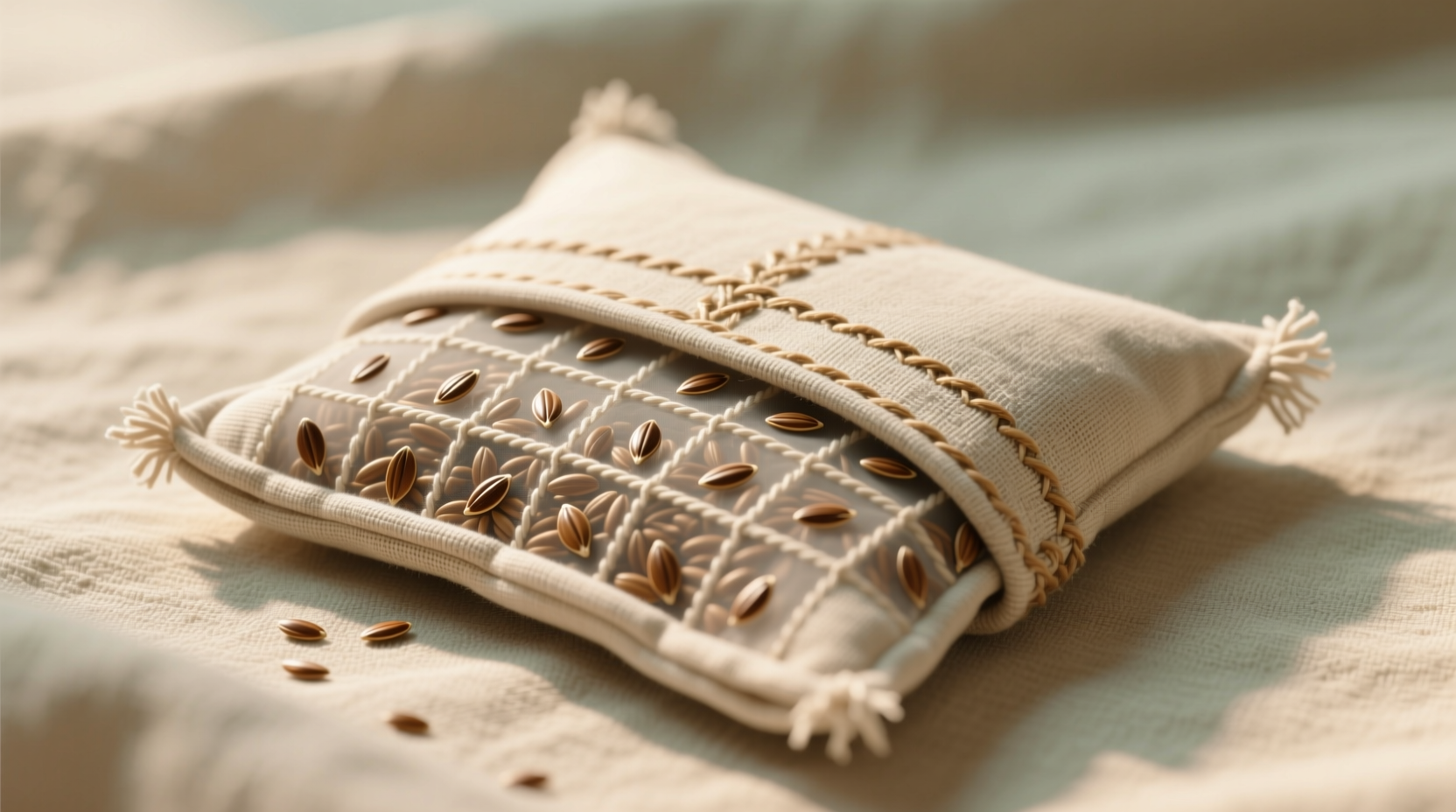
- 12x12 inch cotton fabric
- 2 cups whole flaxseed
- Sewing machine
- Pipe cleaner (for closure)
No-Sew Towel Roll (Emergency Fix)
When you need instant relief:
- Dampen hand towel with cold water
- Roll tightly and wrap in dry towel
- Microwave 30 seconds
- Test temperature before applying
Pro Usage Tips You Won't Find Elsewhere
Based on industrial design testing, these safe DIY heating pad techniques maximize effectiveness:
- Heat layering: Place pad between two dry towels to diffuse heat and prevent burns
- Temperature reset: If too hot, wrap in foil for 2 minutes to safely reduce heat
- Storage secret: Keep in airtight container with silica packets to prevent moisture buildup
- Revival trick: Add 1 tbsp vinegar to microwave cycle if rice develops stale odor

Troubleshooting Common Issues
Solve these frequent problems with tested solutions:
When NOT to Use Homemade Solutions
Avoid DIY heating pad for muscle soreness if you have:
- Open wounds or skin infections
- Diabetic neuropathy (reduced sensation)
- Recent surgery (within 6 weeks)
- Unexplained swelling or inflammation
Consult a physical therapist for chronic pain - these are temporary relief tools.
Frequently Asked Questions
How long does a homemade heating pad stay warm?
Rice versions last 15-25 minutes while flaxseed pads provide 35-45 minutes of consistent warmth. Always reheat after cooling completely - never double-heat.
Can I use this for children's stomach aches?
Only under adult supervision with reduced heat time (20 seconds max). Test temperature extensively and avoid direct skin contact. Not recommended for children under 3.
Why does my rice heating pad smell after multiple uses?
Rice absorbs moisture over time. Refresh by microwaving with 1 tbsp white vinegar for 30 seconds, then air-dry completely before reuse.
What's the safest fabric to use?
100% cotton is ideal - it breathes well and withstands heat. Avoid synthetics like polyester which can melt. Quilting cotton provides the best durability for reusable homemade heating pads.





 浙公网安备
33010002000092号
浙公网安备
33010002000092号 浙B2-20120091-4