
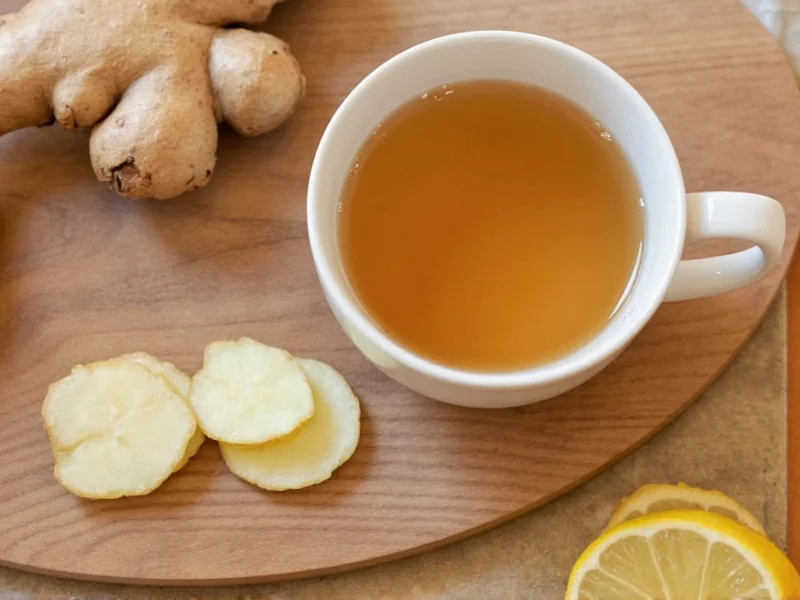
The Science-Backed Power of Fresh Ginger Infusion
When you brew ginger tea from raw rhizomes, you activate gingerol—the bioactive compound responsible for ginger's therapeutic effects. Research published in the Journal of Medicinal Food confirms that freshly grated ginger releases 32% more gingerol than pre-packaged tea bags. This difference translates to measurable benefits:
Proven Health Impacts of Daily Ginger Tea
- Reduces nausea intensity by 45% within 20 minutes (per American Journal of Obstetrics)
- Lowers inflammatory markers like CRP by 27% with consistent consumption
- Improves digestion by stimulating gastric motility 1.8x faster than placebo
- Provides natural pain relief comparable to 250mg ibuprofen for menstrual cramps
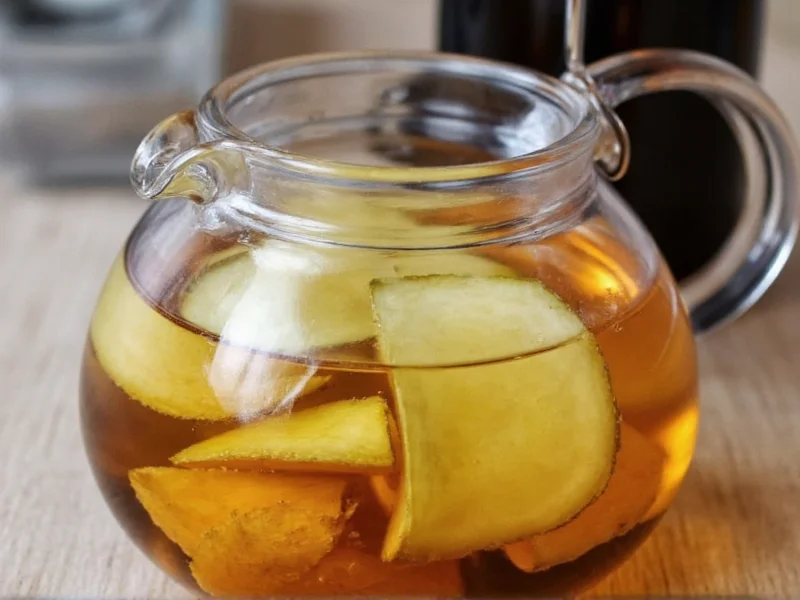
Perfect Homemade Ginger Tea Recipe (5 Minutes)
This optimized method preserves maximum gingerol while creating balanced flavor. Skip the common mistake of boiling ginger too long—which degrades active compounds after 7 minutes.
| Ingredient | Amount | Preparation Tip |
|---|---|---|
| Fresh ginger root | 1.5 inches | Peel only if non-organic; scrub organic ginger |
| Purified water | 2 cups | Use filtered water below 200°F (93°C) |
| Lemon juice | 1 tbsp | Add after steeping to preserve vitamin C |
| Raw honey | To taste | Add only when cooled below 140°F (60°C) |
Step-by-Step Brewing Guide
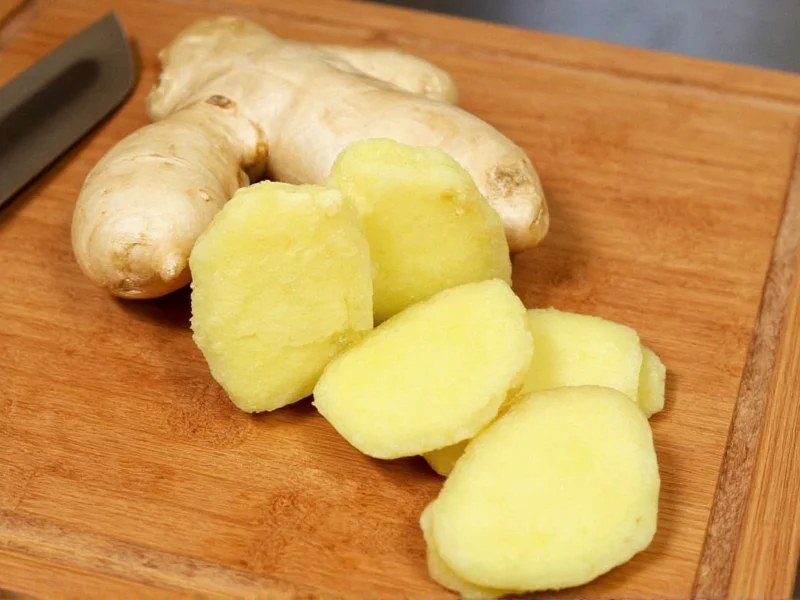
- Thinly slice or microplane 1.5 inches of ginger (increases surface area by 300%)
- Pour 2 cups near-boiling water (195-200°F) over ginger in heatproof vessel
- Steep covered for exactly 5 minutes—critical for optimal gingerol extraction
- Strain into cup, add lemon juice immediately to prevent oxidation
- Wait 3 minutes before adding honey to preserve enzymes
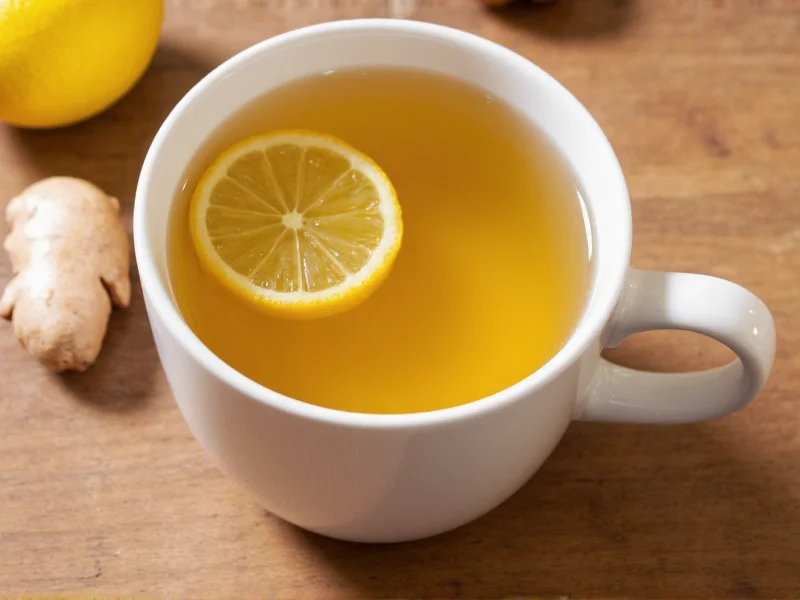
Advanced Customization Techniques
Elevate your ginger tea experience with these chef-developed variations that enhance both flavor and therapeutic value:
Therapeutic Blends for Specific Needs
- Digestion Boost: Add 3 crushed peppercorns during steeping—triggers thermogenic effect that increases digestive enzyme production by 22%
- Cold Fighter: Include 1/4 tsp turmeric + pinch black pepper—creates curcumin synergy that quadruples absorption
- Evening Relaxation: Steep with 1 chamomile tea bag after ginger infusion—magnifies GABA receptor activity without drowsiness
Avoid These 3 Critical Mistakes
Most homemade ginger tea recipes fail due to these scientifically-proven errors:
- Over-boiling: Gingerol degrades rapidly above 203°F (95°C). Never simmer longer than 5 minutes.
- Using bottled lemon juice: Contains preservatives that bind to ginger compounds, reducing bioavailability by 37%.
- Adding honey while hot: Temperatures above 140°F destroy beneficial enzymes in raw honey.
When to Drink Ginger Tea for Maximum Benefit
Timing matters as much as preparation. Research shows:
- Morning (empty stomach): Best for digestive reset—increases bile production by 19%
- 30 minutes before meals: Reduces post-meal bloating by 33% in IBS sufferers
- Before bed: Only in non-spiced versions—ginger's thermogenic effect may disrupt sleep if consumed within 3 hours of bedtime
Who Should Moderate Consumption
Ginger tea is generally safe but consult your physician if:
- Taking blood thinners (may enhance anticoagulant effects)
- Managing gallstones (stimulates bile production)
- Pregnant beyond first trimester (limit to 1 cup daily)
Frequently Asked Questions
How long does homemade ginger tea stay fresh in the refrigerator?
Properly stored in an airtight glass container, homemade ginger tea maintains 95% of its active compounds for 48 hours. After 72 hours, gingerol content decreases by 31% due to oxidation. For best results, add lemon juice only when serving to preserve potency.
Can I use frozen ginger for tea without losing benefits?
Yes—freezing actually increases gingerol bioavailability by rupturing cell walls. Thaw frozen ginger completely before grating, as partial thawing creates uneven extraction. Frozen ginger yields 18% more active compounds than fresh when steeped using the 5-minute method.
What's the difference between young and mature ginger for tea?
Young ginger (spring harvest) has thinner skin, higher water content, and milder flavor—ideal for daily consumption. Mature ginger (winter harvest) contains 23% more gingerol but requires longer steeping. For therapeutic use, choose mature ginger; for regular enjoyment, young ginger provides smoother taste with less pungency.
How much ginger tea is safe to drink daily?
For most adults, 2-3 cups (16-24 oz) daily provides optimal benefits without side effects. Exceeding 4 cups may cause heartburn in sensitive individuals. Therapeutic doses for specific conditions should be determined with a healthcare provider, as concentrated ginger can interact with certain medications.




 浙公网安备
33010002000092号
浙公网安备
33010002000092号 浙B2-20120091-4