
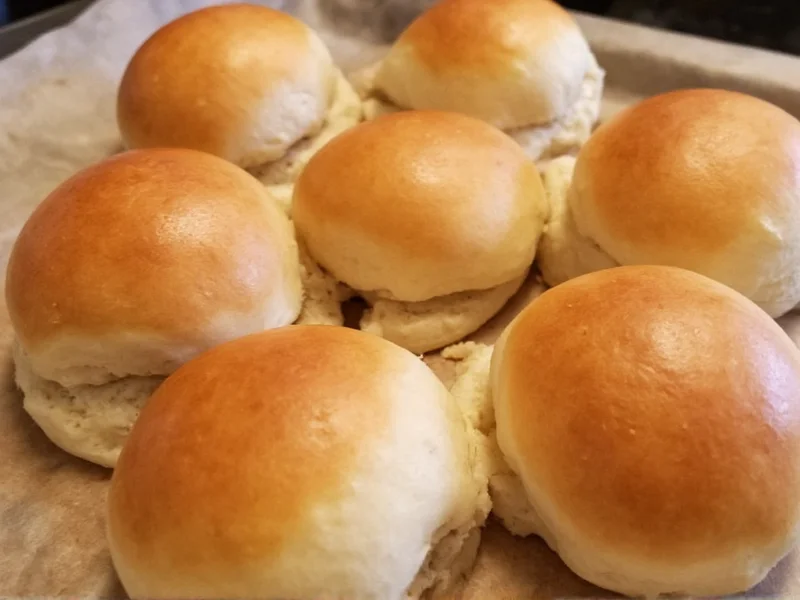
The best homemade burger buns are soft, slightly sweet, and sturdy enough to hold juicy patties without falling apart. This guide reveals the foolproof method for bakery-quality buns in your own kitchen, including the secret to perfect texture and flavor every time—no fancy equipment needed.
Why Homemade Beats Store-Bought Every Time
Forget dry, cardboard-like supermarket buns. Homemade versions deliver unmatched freshness and customizable texture. You control the ingredients—no preservatives, just real food. Plus, they're surprisingly simple: with 20 minutes of active work and basic pantry staples, you'll create buns that elevate any burger from ordinary to extraordinary.
| Ingredient | Key Function | Pro Tip |
|---|---|---|
| Bread flour (500g) | Higher protein = better structure | Substitute all-purpose + 1 tbsp vital wheat gluten |
| Milk (250ml) | Softens crumb, adds richness | Use warm (110°F/43°C) to activate yeast |
| Honey (30g) | Feeds yeast, subtle sweetness | Maple syrup works for vegan version |
| Butter (30g) | Moisture barrier, tender texture | Melt and cool before adding |
The Foolproof Method: 4 Critical Steps
1. Master the Dough Hydration
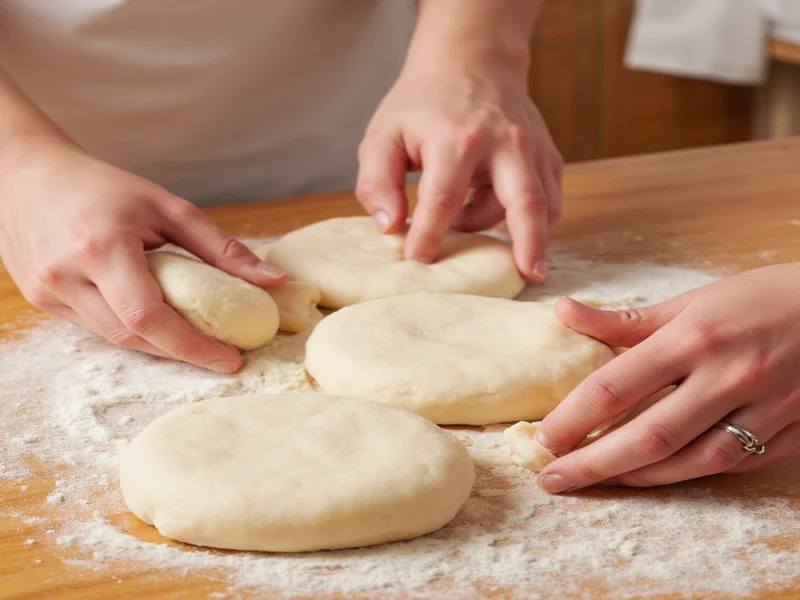
Most failures happen here. Your dough should feel like "smooth baby skin"—tacky but not sticky. Add water 1 tbsp at a time if too dry, or flour sparingly if wet. Over-flouring causes toughness. Knead 8-10 minutes until it passes the windowpane test (stretch a small piece thin enough to see light through without tearing).
2. Proof Like a Pro
- First rise: 1 hour at 75°F (24°C) until doubled. Too cold? Place near warm oven.
- Second rise: 30 minutes after shaping. Buns should spring back slowly when poked.
⚠️ Never rush this! Under-proofed buns collapse; over-proofed ones tear easily.
3. Bake for Perfect Structure
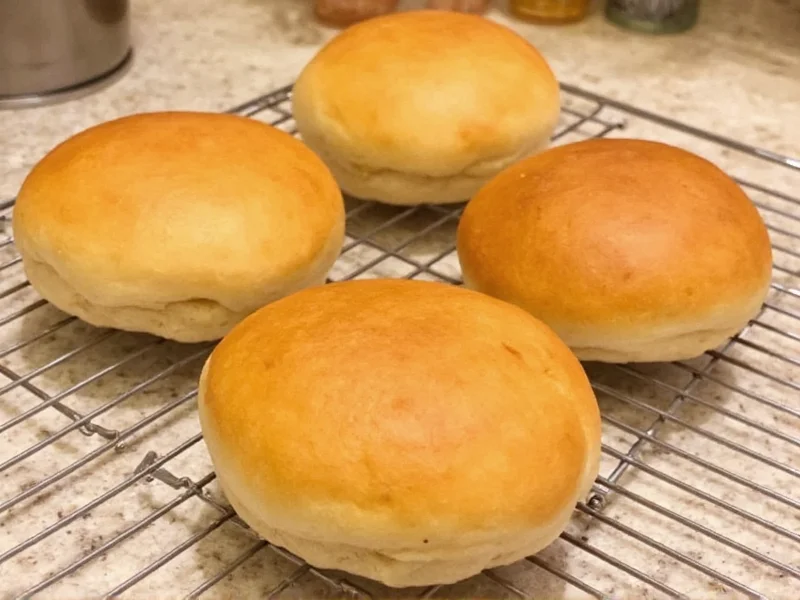
Brush tops with milk wash (not egg) for golden color without hardness. Bake at 375°F (190°C) for 18-20 minutes until internal temp hits 190°F (88°C). The secret? Rotate the pan halfway for even browning. Tap the bottom—it should sound hollow.
4. Cool Properly (The Forgotten Step!)
Resist cutting for 20 minutes! Trapped steam keeps buns moist. Cool on a wire rack—never in the pan—to prevent soggy bottoms.
Troubleshooting Common Issues
Problem: Dense, heavy buns
Cause: Over-kneading or too much flour. Solution: Measure flour by weight, stop kneading when windowpane forms.
Problem: Buns split open
Cause: Over-proofing or uneven shaping. Solution: Proof until 1.5x size (not doubled), pinch seams tightly.
Problem: Pale tops
Cause: Oven too cool or insufficient wash. Solution: Preheat thoroughly, use milk wash, add 1 tsp sugar to wash.
Storage & Reheating Secrets
Store cooled buns in a linen-lined basket (not plastic!) for 2 days at room temperature. For longer storage:
- Freeze: Wrap tightly in foil, then freezer bag. Keeps 3 months.
- Revive stale buns: Spritz with water, bake at 300°F (150°C) for 5 minutes.
- Grill tip: Slice frozen buns directly on the grill—no thawing needed!
Why This Recipe Works for Beginners
Unlike finicky bakery methods, this approach uses consistent hydration ratios and visual cues over strict timings. You'll learn to read dough texture—a skill that transfers to all bread baking. The slightly sweet flavor complements both beef and veggie patties, while the sturdy-yet-soft structure prevents sogginess. One tester noted: "My kids thought these came from a gourmet shop!"
Frequently Asked Questions
Can I make these without a stand mixer?
Absolutely. Mix by hand using a sturdy spoon until shaggy, then knead on floured surface for 10 minutes. The dough will transform from sticky to smooth as gluten develops.
Why use milk instead of water in burger buns?
Milk's proteins and sugars create a softer crumb and richer flavor. The lactose promotes better browning, while fats add moisture retention—critical for holding up to juicy patties without disintegrating.
How do I prevent buns from getting soggy with saucy burgers?
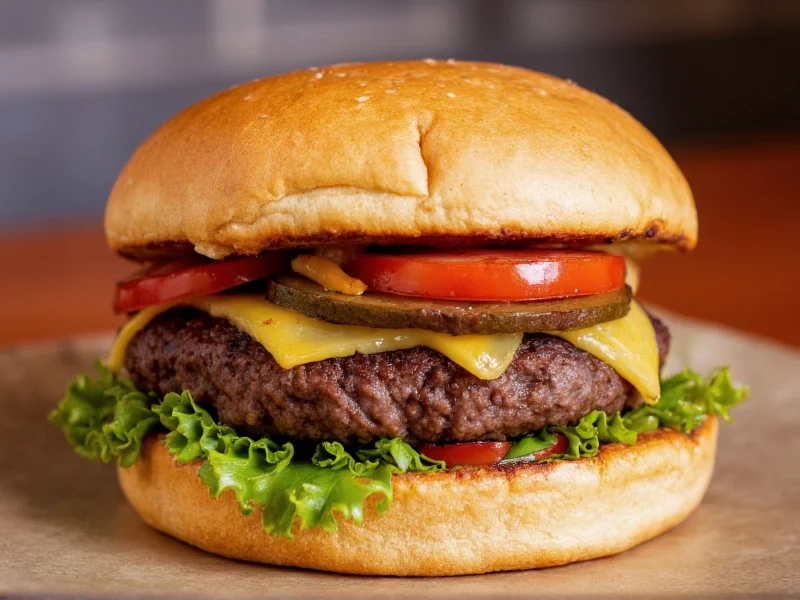
Brush cut sides with melted butter and toast lightly before assembling. The fat barrier repels moisture. Also, place lettuce directly on the patty—it creates a protective layer between meat juices and the bun.
Can I add seeds to the dough?
Yes! Fold in 2 tbsp sesame or poppy seeds during final kneading. For crunch, press seeds onto milk-washed tops before baking. Avoid adding seeds to the initial mix—they can interfere with gluten development.





 浙公网安备
33010002000092号
浙公网安备
33010002000092号 浙B2-20120091-4