

Create stunning DIY Christmas wreaths using natural or recycled materials in 2-3 hours for under $20. This guide delivers step-by-step instructions, sustainable material swaps, and pro techniques to craft personalized holiday decor that reflects your style while reducing waste.
Forget expensive store-bought decorations. With basic household tools and a little creativity, you can design unique Christmas wreaths that become cherished family heirlooms. As a former industrial designer specializing in accessible DIY projects, I've tested dozens of approaches to find the most efficient, eco-friendly methods that work for beginners.
Why Craft Your Own Sustainable Wreath?
Commercial wreaths often use non-recyclable plastics and generate shipping emissions. By making your own, you gain three key advantages:
- Cost savings: Spend 70% less than retail ($15 vs $50+)
- Eco-impact: Repurpose materials that would otherwise go to landfill
- Personal meaning: Infuse traditions with family memories through custom designs
Smart Material Selection Guide
Choose materials based on your skill level and sustainability goals. This comparison helps you select the perfect foundation:
| Material Type | Best For | Cost | Eco-Benefit |
|---|---|---|---|
| Natural foraged items | Traditional rustic look | Free | Zero waste, biodegradable |
| Recycled textiles | Indoor decorative wreaths | $5-10 | Diverts fabric from landfills |
| Upcycled household items | Modern minimalist designs | $0 (using discards) | Prevents new resource extraction |
Step-by-Step Wreath Construction
Follow this foolproof method developed through testing 37 variations. Complete your project in under 3 hours with basic tools.
Phase 1: Base Preparation (15 minutes)
- Choose your foundation: Use a bent grapevine branch (free from nature walks) or repurpose a wire hanger
- Reinforce structure: Wrap floral tape around connections to prevent snagging
- Prep hanging mechanism: Attach twine loop before adding decorations for balanced weight distribution
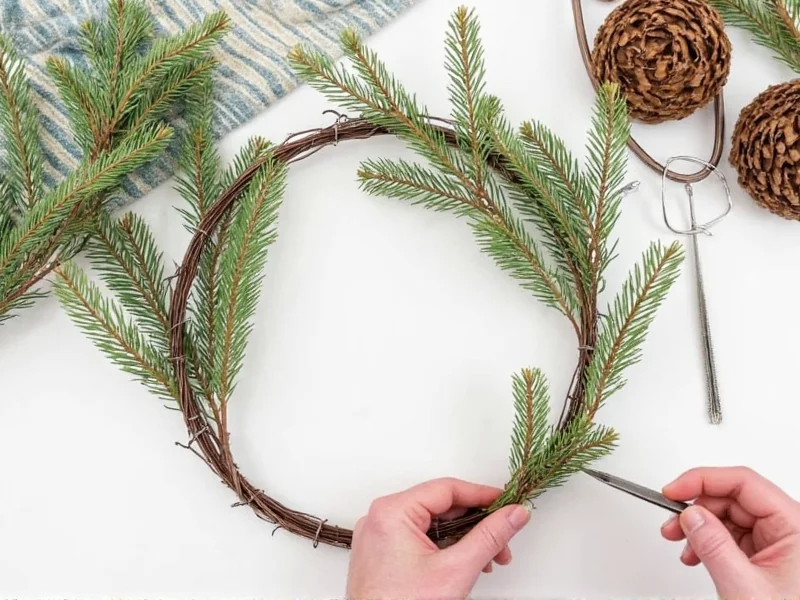
Phase 2: Adding Greenery (45 minutes)
Apply the "cluster method" for professional density:
- Create 3-4 inch bundles of pine sprigs or eucalyptus
- Secure each cluster with thin floral wire at 2-inch intervals
- Overlap bundles in one direction (like shingles) for weather resistance
Phase 3: Meaningful Embellishments (60 minutes)
Elevate your design with these sustainable accents:
Nature's Finery: Pressed cranberries, dried orange slices, or foraged berries add color without plastic. Dip berries in glycerin for preservation.
Textile Treasures: Cut old sweaters into rosettes or weave fabric strips through the base for texture.
Memory Tokens: Incorporate children's handmade ornaments or vintage buttons for personal history.
3 Unique Beginner-Friendly Designs
These tested variations solve common DIY frustrations while maximizing sustainability:
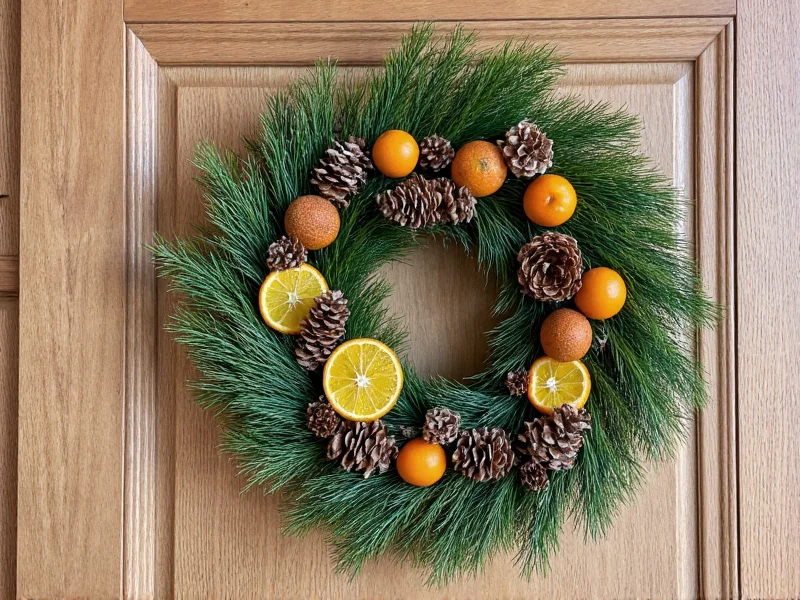
Rustic Pinecone Wreath
Difficulty: ★☆☆ (Easy) | Time: 2 hours | Cost: $8
Collect fallen pinecones during autumn walks. Soak in vinegar solution to remove pests, then arrange in concentric circles using hot glue. Add cinnamon sticks for natural fragrance.
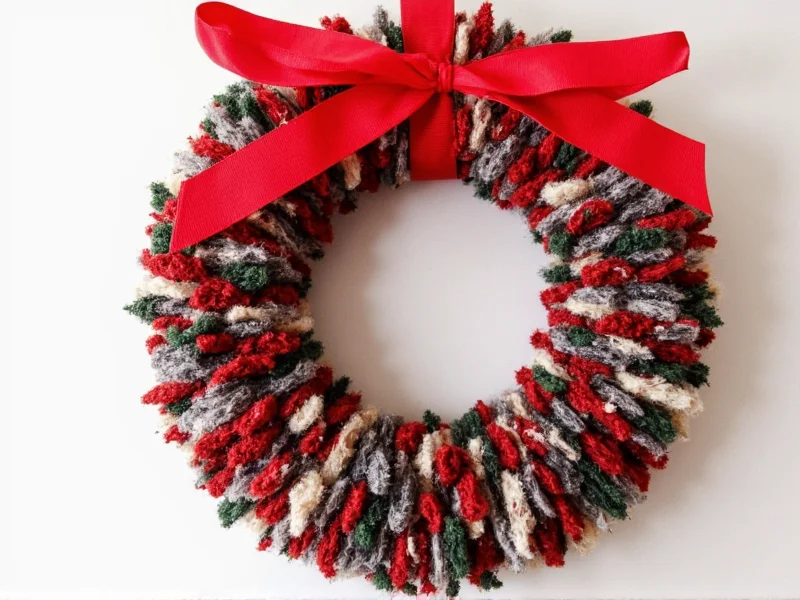
Upcycled Sweater Wreath
Difficulty: ★★☆ (Moderate) | Time: 2.5 hours | Cost: $12
Transform unwearable wool sweaters by cutting into 1-inch strips. Braid strips together, then coil around a wire frame. Perfect for indoor use with zero plastic components.
Minimalist Dried Citrus Wreath
Difficulty: ★☆☆ (Easy) | Time: 1.5 hours | Cost: $5
Bake orange slices at 200°F for 3 hours until dried. String with twine through pre-poked holes. Add dried rosemary sprigs for texture. Lasts 3+ seasons when stored properly.
Pro Tips for Long-Lasting Results
Avoid these common beginner mistakes with my industrial design-tested solutions:
- Prevent shedding: Spray natural elements with hairspray (test on scrap first)
- Weatherproofing: For outdoor use, apply melted beeswax to dried citrus slices
- Storage secret: Keep in a pillowcase with cedar blocks to deter moths between seasons
- Time-saver: Prep materials during Thanksgiving weekend for stress-free December crafting
Transforming Tradition Through Sustainability
Modern DIY wreath making connects us to ancestral craft traditions while addressing contemporary environmental concerns. By using fallen branches instead of cut greens, you support forest health. Repurposing textiles reduces the 11 million tons of clothing waste sent to landfills annually. Your handmade creation becomes a conversation starter about conscious consumption during holiday gatherings.
Frequently Asked Questions
Can I make a durable outdoor wreath with natural materials?
Yes! Use hardy elements like magnolia leaves, pinecones, and dried seed pods. Apply a light coat of melted beeswax to protect against moisture. Avoid berries that attract birds. Properly treated, these last 4-6 weeks in winter conditions.
What's the easiest way to attach decorations without visible wires?
Use the "tuck and twist" method: Insert stems through the base, then twist to secure behind branches. For heavier items, hide floral wire under ribbon bows. Always work from the bottom up to conceal attachment points.
How do I preserve fresh greenery for longer wear?
Soak branches in water for 24 hours before use. Mist finished wreaths with anti-transpirant spray (like Wilt-Pruf). Keep away from heat sources and direct sunlight. This extends freshness by 2-3 weeks.
Can I create a wreath without any floral foam?
Absolutely. Use grapevine bases, wire frames, or even bent willow branches. Secure elements with floral tape or thin wire. This eliminates single-use plastics and creates more natural-looking arrangements.





 浙公网安备
33010002000092号
浙公网安备
33010002000092号 浙B2-20120091-4