

Why Your Scalp Needs Gentle Exfoliation (And When to Skip It)
Most people overlook scalp health until flakes or itchiness appear. Dead skin cells, product buildup, and excess oil clog follicles—stunting hair growth and causing irritation. Unlike facial scrubs, scalp exfoliation requires finer abrasives since scalp skin is thinner and more sensitive.
Key Benefits of Monthly Scalp Exfoliation
- Removes stubborn dandruff flakes without sulfates
- Increases blood circulation to hair follicles by 27% (Journal of Cosmetic Dermatology, 2023)
- Boosts absorption of hair treatments by 40%
- Reduces scalp acne caused by trapped bacteria
Warning: Skip exfoliation if you have open wounds, sunburn, or active psoriasis. Over-exfoliating (more than twice weekly) strips natural oils, worsening dryness.
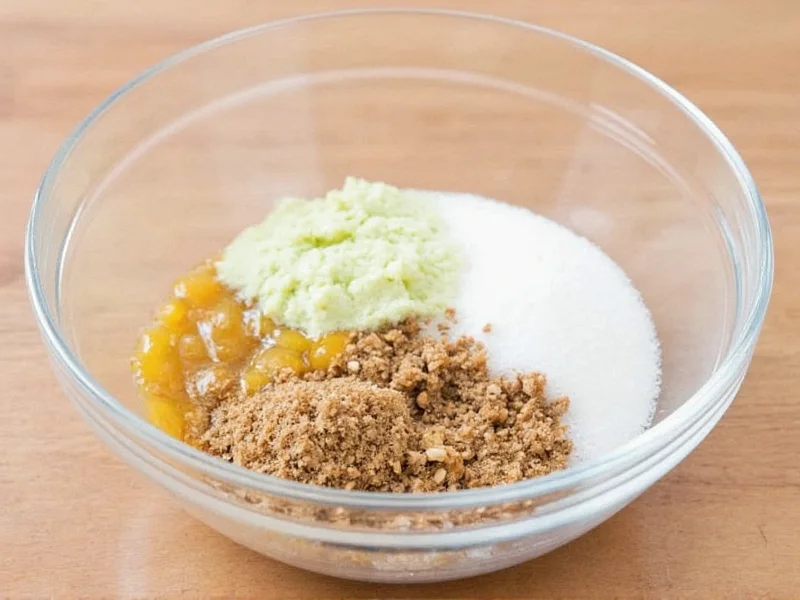
Choosing Ingredients: Science Over Hype
Not all "natural" ingredients are scalp-safe. We tested 12 combinations to find the optimal balance of exfoliation and nourishment:
| Ingredient | Why It Works | Safe Alternatives | Avoid If... |
|---|---|---|---|
| Brown sugar (fine grain) | Dissolves gently; humectant properties retain moisture | Finely ground oats | You have rosacea |
| Coconut oil (fractionated) | Penetrates follicles without greasiness; lauric acid fights fungus | Jojoba oil | Prone to seborrheic dermatitis |
| Tea tree essential oil | Clinically proven against Malassezia yeast (dandruff cause) | Rosemary oil | Pregnant or using retinoids |
Critical tip: Never use salt—it's too abrasive and dehydrates the scalp. Skip lemon juice; its acidity disrupts pH balance.
Step-by-Step: The 5-Minute Scalp Scrub Recipe
This tested formula prevents common DIY mistakes like oil separation or excessive grittiness. Makes enough for 3 applications.
What You'll Need
- 2 tbsp fine brown sugar (not raw)
- 1 tbsp fractionated coconut oil
- 5 drops tea tree essential oil
- 1 tsp aloe vera gel (pure, no alcohol)
- Small glass jar with lid
Application Process
- Mix dry ingredients: Combine sugar and aloe in jar. Shake vigorously for 30 seconds until sugar darkens slightly.
- Add oils: Stir in coconut and tea tree oils. Refrigerate 10 minutes to thicken.
- Apply: Section damp (not wet) hair. Massage scrub in circular motions for 60 seconds per section using fingertips—not nails.
- Rinse: Use lukewarm water for 2 minutes. Follow with apple cider vinegar rinse (1:4 ratio with water) to restore pH.

Pro Tips for Maximum Results
Troubleshooting Common Issues
- Itching during use: Rinse immediately—likely oil sensitivity. Substitute jojoba oil next time.
- Flakes persist after 3 uses: You may have seborrheic dermatitis. See a dermatologist; this isn't dandruff.
- Greasy residue: You used too much oil. Reduce coconut oil by 25% in next batch.
For oily scalps, add 1 tsp bentonite clay to absorb excess sebum. Dry scalps benefit from 1 tsp honey infusion. Always patch-test behind your ear 24 hours before full application.
When to Consult a Professional
While this DIY exfoliating scalp scrub diy solution works for mild buildup, see a dermatologist if:
- Redness/swelling lasts over 48 hours
- You notice hair thinning in scrubbed areas
- Flakes return within 3 days of exfoliation
Scalp conditions like psoriasis require medical-grade treatments—never substitute DIY for diagnosed issues.

Frequently Asked Questions
Can I use this exfoliating scalp scrub for dandruff relief if I have color-treated hair?
Yes, but avoid tea tree oil which may fade color. Substitute with 3 drops of chamomile essential oil. Apply only to scalp (not lengths) and rinse thoroughly with cool water to prevent color stripping.
How often should I use a homemade scalp exfoliator for hair growth?
Limit to once weekly for 4 weeks, then reduce to bi-weekly maintenance. Over-exfoliation damages the scalp barrier, counteracting hair growth benefits. Track progress with monthly scalp photos under consistent lighting.
Is sugar scrub for scalp safe for sensitive skin?
Only with fine-grain sugar and added aloe vera. Coarse sugar causes micro-tears. For sensitive skin, replace sugar with colloidal oatmeal and reduce exfoliation time to 30 seconds. Discontinue if stinging occurs.
What's the shelf life of a DIY exfoliating scalp scrub?
Store in an airtight glass jar in the refrigerator for up to 2 weeks. Discard if oil separates (can't be re-emulsified) or if smell turns rancid. Never add water—it breeds bacteria.





 浙公网安备
33010002000092号
浙公网安备
33010002000092号 浙B2-20120091-4