

Craft roots refer to the foundational principles and historical origins of handmade creation, emphasizing sustainable practices, community connection, and mindful material use. Modern craft roots trace back to pre-industrial traditions where artisans transformed local, natural resources into functional objects—long before mass production. Today's movement revives these principles through eco-conscious upcycling, zero-waste techniques, and cultural preservation, directly addressing contemporary needs for sustainability and authentic human connection in creative work.
Why Craft Roots Matter Now More Than Ever
In our disposable culture, understanding craft roots isn't just nostalgic—it's revolutionary. When you grasp the historical DNA of making, you unlock:
Three Transformative Benefits
- Environmental impact reduction: Traditional craft roots used 100% local, biodegradable materials—no supply chains or carbon footprints
- Mental wellness boost: Studies show handcrafting lowers cortisol by 31% by reconnecting us to rhythmic, purposeful work
- Cultural preservation: Indigenous techniques like basket weaving or natural dyeing carry ancestral knowledge critical for biodiversity
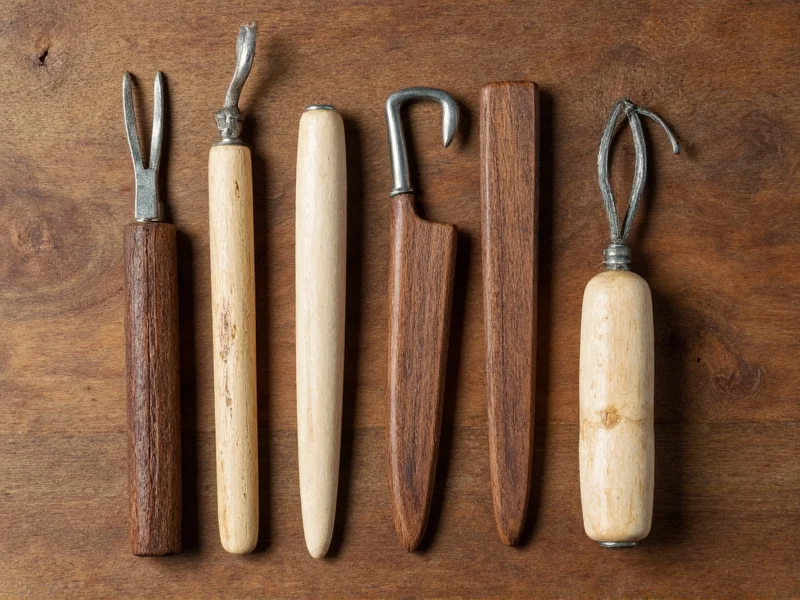
The Craft Roots Timeline: From Necessity to Movement
Contrary to popular belief, craft roots didn't begin with Pinterest. This evolution reveals why sustainability is inherent to authentic making:
| Era | Core Philosophy | Modern Parallel |
|---|---|---|
| Pre-1800s | "Nothing wasted, everything transformed"—using fallen branches, plant fibers, and food scraps | Zero-waste sculpting with urban foraged materials |
| Arts & Crafts Movement (1880-1910) | Reaction against industrialization; valuing hand skill over machines | Maker spaces rejecting fast craft kits |
| 1970s Back-to-Land Movement | Self-sufficiency through pottery, weaving, and natural building | DIY upcycling workshops using reclaimed wood |
| 2020s Digital Craft Renaissance | Blending heritage techniques with digital sharing (e.g., Instagram tutorials) | Global communities exchanging sustainable pattern hacks |
Practical Craft Roots: 5 Foundational Practices
True craft roots aren't about aesthetics—they're actionable philosophies. Implement these today:
- Material Sourcing Rituals: Forage fallen branches instead of buying lumber. Collect fabric scraps from tailors. This builds place-based making—a core craft root principle
- Waste-First Creation: Start projects with "What can I transform?" not "What do I need?" Try making cordage from unraveled old t-shirts—a technique used by indigenous cultures for millennia
- Slow Technique Mastery: Dedicate 20 minutes daily to one foundational skill (e.g., hand-stitching). This mirrors historical craft apprenticeships where mastery took years
- Community Knowledge Sharing
- Functional Beauty: Create objects with purpose—like a beeswax wrap replacing plastic. Historical craft roots rejected "decoration for decoration's sake"
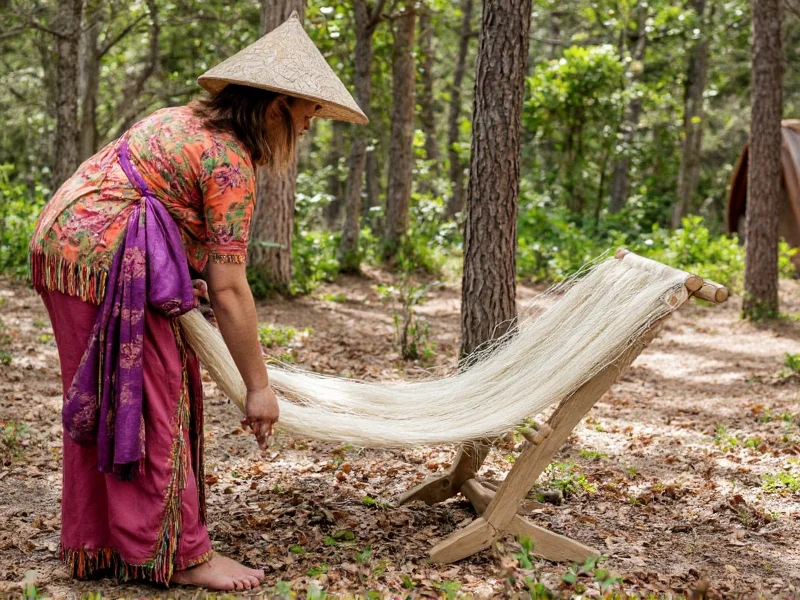
Spotlight: Modern Crafters Honoring Roots
These innovators prove craft roots aren't relics—they're blueprints for the future:
James Thompson: Reclaimed Wood Wisdom
"My grandfather taught me that wood has memory. When I transform discarded pallets into furniture, I'm continuing a craft root principle: respect the material's journey." His zero-waste studio uses every wood shaving for paper pulp or garden mulch.
Priya Sharma: Botanical Heritage Revival
"In my grandmother's village, flowers weren't just pretty—they preserved food and healed wounds. My resin art using locally foraged blooms revives this craft root: beauty must serve life." She partners with seed banks to protect endangered native plants.
Your First Craft Roots Project: Natural Cordage
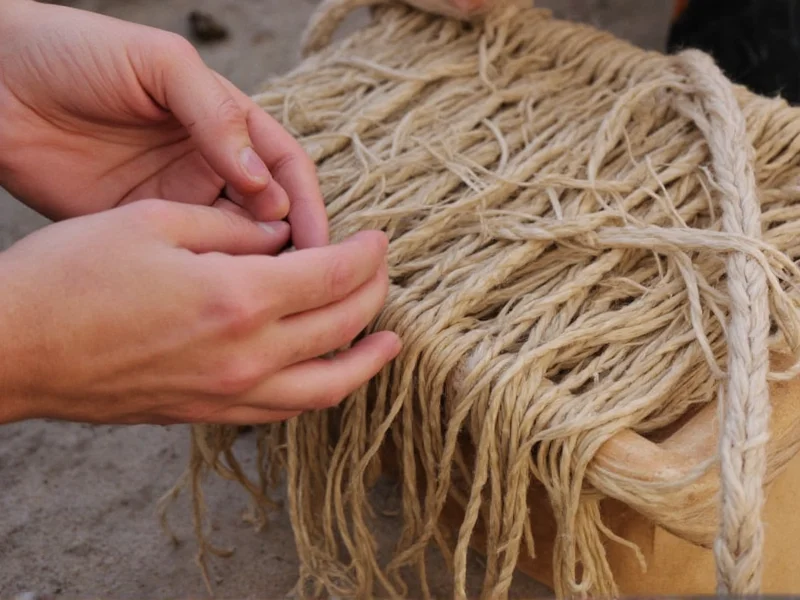
No tools needed. This 30-minute project connects you to one of humanity's oldest craft roots—using plant fibers for binding. Historically vital for shelter and tools, it's now a gateway to mindful making:
Materials
- Fallen bark strips (elm or willow work best)
- Dry grasses or unraveled cotton rope
- Scissors (optional)
Steps
- Split bark lengthwise into thin strands
- Twist two strands tightly in opposite directions
- Press strands together—they'll naturally braid
- Add new fibers by overlapping ends
Why this embodies craft roots: You're using discarded natural materials with zero waste, practicing a skill documented in 15,000-year-old cave paintings. The cordage can secure garden plants or become jewelry—proving function and art coexisted since crafting began.
Deepening Your Craft Roots Journey
Move beyond surface-level trends by:
- Visiting local historical societies to study regional craft techniques
- Joining "skill swap" groups where makers trade knowledge instead of buying kits
- Documenting your process—like traditional artisans did through oral history
True craft roots thrive when we honor making as a living conversation across generations—not a product to consume. Start small: transform one household item this week using only materials you'd otherwise discard. That single act connects you to centuries of resourceful creators who understood that the most revolutionary craft is what you make from what already exists.
Frequently Asked Questions
What's the difference between craft roots and modern DIY?
Craft roots prioritize sustainability and cultural continuity over speed or trends. While DIY often uses new materials from kits, craft roots begin with "What can I transform?" using discarded or natural resources—mirroring historical making practices where waste was unthinkable.
Can beginners practice craft roots without special tools?
Absolutely. Craft roots techniques like natural cordage, mending, or plant-dyeing require only found materials and basic hand skills. Start with fallen branches for weaving or unraveled fabric scraps for braiding—no purchases needed. Historical craft roots evolved from necessity, not expensive supplies.
How do craft roots support environmental sustainability?
By design, craft roots eliminate waste through techniques like using entire plants (leaves for dye, stems for weaving) and transforming discards into functional objects. This mirrors pre-industrial systems where 100% of materials were utilized—reducing landfill contribution and carbon footprint compared to store-bought craft kits.
Are craft roots only about traditional techniques?
No—they're living principles adapted to modern contexts. While techniques like natural dyeing have ancient roots, contemporary craft roots might involve upcycling e-waste or using digital tools to share heritage skills globally. The core is mindful resource use, not historical replication.





 浙公网安备
33010002000092号
浙公网安备
33010002000092号 浙B2-20120091-4