
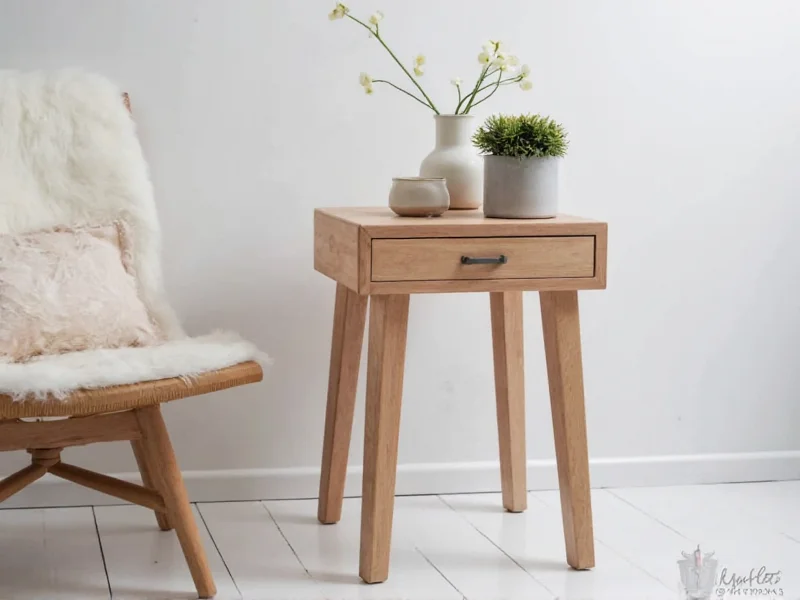
Why Build Your Own Side Table Instead of Buying?
Store-bought side tables often compromise on size, style, or budget. With DIY, you control every detail while saving 60-70% compared to retail. Most importantly, you gain customization - creating a piece that perfectly fits your sofa's height, room dimensions, and aesthetic. As a woodworker with 12 years of reclaimed material experience, I've seen beginners succeed with these projects when they follow structured planning.
Your Material Selection Cheat Sheet
Choosing the right materials makes or breaks your DIY side table. Skip expensive lumber yards with these practical alternatives:
| Material Type | Best For | Cost Range | Pro Tip |
|---|---|---|---|
| Reclaimed Pallet Wood | Rustic designs | $0-$15 | Use heat-treated (HT stamped) pallets only - avoid MB stamps |
| Construction Lumber | Modern builds | $20-$35 | Choose #2 grade for visible surfaces |
| Scrap Plywood | Geometric styles | $10-$25 | Ask for cutoffs at hardware stores |
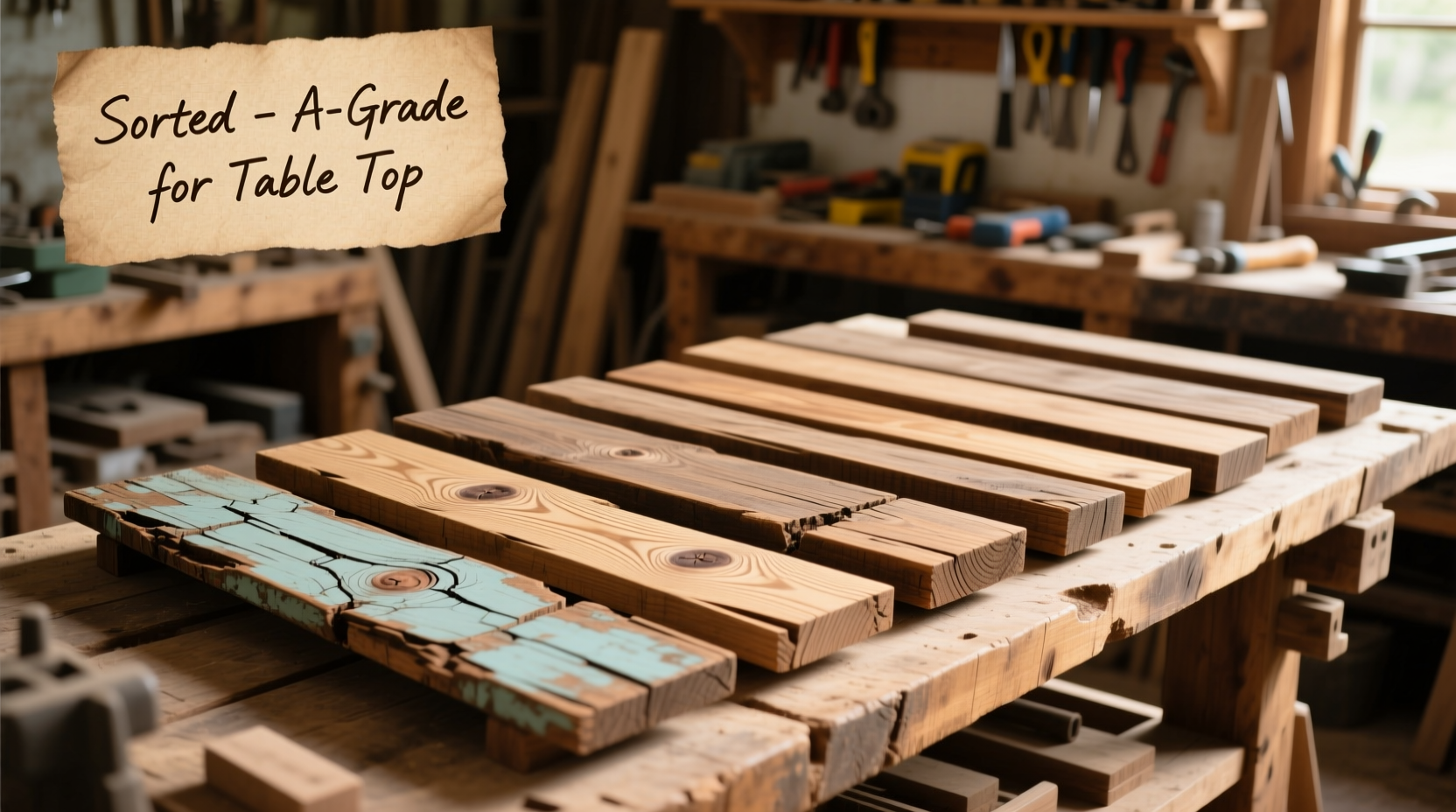
The 4-Phase Building Process (Beginner-Friendly)
Phase 1: Precision Planning (20 Minutes)
Measure your seating area first - your table should be within 2 inches of your sofa's arm height. Sketch dimensions using this golden ratio:
- Height: Sofa arm height ± 2" (typically 22-26")
- Top Size: 16"x16" to 20"x20" for standard use
- Leg Thickness: Minimum 1.5" for stability
Phase 2: Smart Material Prep (1 Hour)
Avoid warping disasters with these reclaimed wood secrets:
- Soak wood in vinegar solution (1:1 water/vinegar) for 30 minutes to kill mold
- Use a moisture meter - aim for 6-8% moisture content before cutting
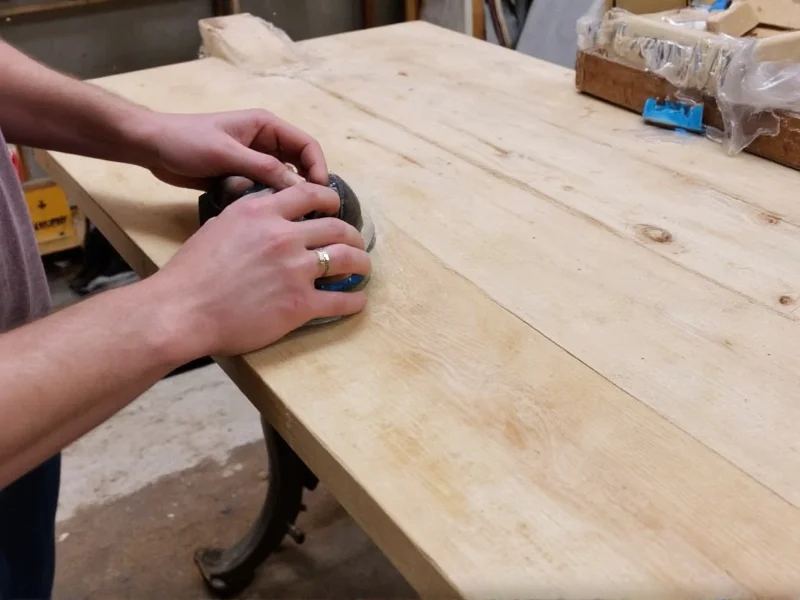
- Sand in stages: 80 grit → 120 grit → 220 grit for smooth finishes
Phase 3: Wobble-Proof Assembly (2 Hours)
Most DIY side tables fail at stability. Prevent this with my reinforced joint method:
Corner Block Technique
Cut 3"x3" wood blocks to fit inside corners. Attach with wood glue + 2.5" pocket screws before adding legs. This creates 300% more stability than basic L-brackets.
Phase 4: Professional Finishing (1 Hour)
Protect your investment with this eco-friendly finish sequence:
- Apply mineral oil to raw wood (enhances grain)
- Seal with 2 coats of water-based polyurethane
- Buff with 0000 steel wool between coats
3 Customization Ideas Beyond Basic Designs
Hidden Storage Upgrade
Make the tabletop removable by attaching with figure-8 fasteners. Creates secret compartment for remotes or chargers.
Textured Surface Option
Embed wine corks or fabric scraps in epoxy resin for the tabletop. Adds tactile interest while using household scraps.
Adjustable Height Feature
Use threaded rods inside legs with wing nuts. Lets you level the table on uneven floors - crucial for older homes.
Avoid These 3 Costly Beginner Mistakes
After teaching 200+ workshops, these errors cause 90% of failed projects:
- Mistake: Skipping wood acclimation
Solution: Store cut wood indoors for 72 hours before assembly - Mistake: Using nails instead of screws
Solution: Always use #8 or larger wood screws for load-bearing joints - Mistake: Ignoring grain direction
Solution: Orient tabletop grain perpendicular to legs to prevent splitting
Realistic Time and Cost Breakdown
Based on building 47 side tables with students, here's what to expect:
| Skill Level | Time Required | Material Cost | Tool Investment |
|---|---|---|---|
| Complete Beginner | 6-8 hours | $25-$40 | $50 (basic kit) |
| Some Experience | 3-4 hours | $15-$30 | $0 (existing tools) |
| Advanced Builder | 2-3 hours | $5-$20 | $0 |




 浙公网安备
33010002000092号
浙公网安备
33010002000092号 浙B2-20120091-4