
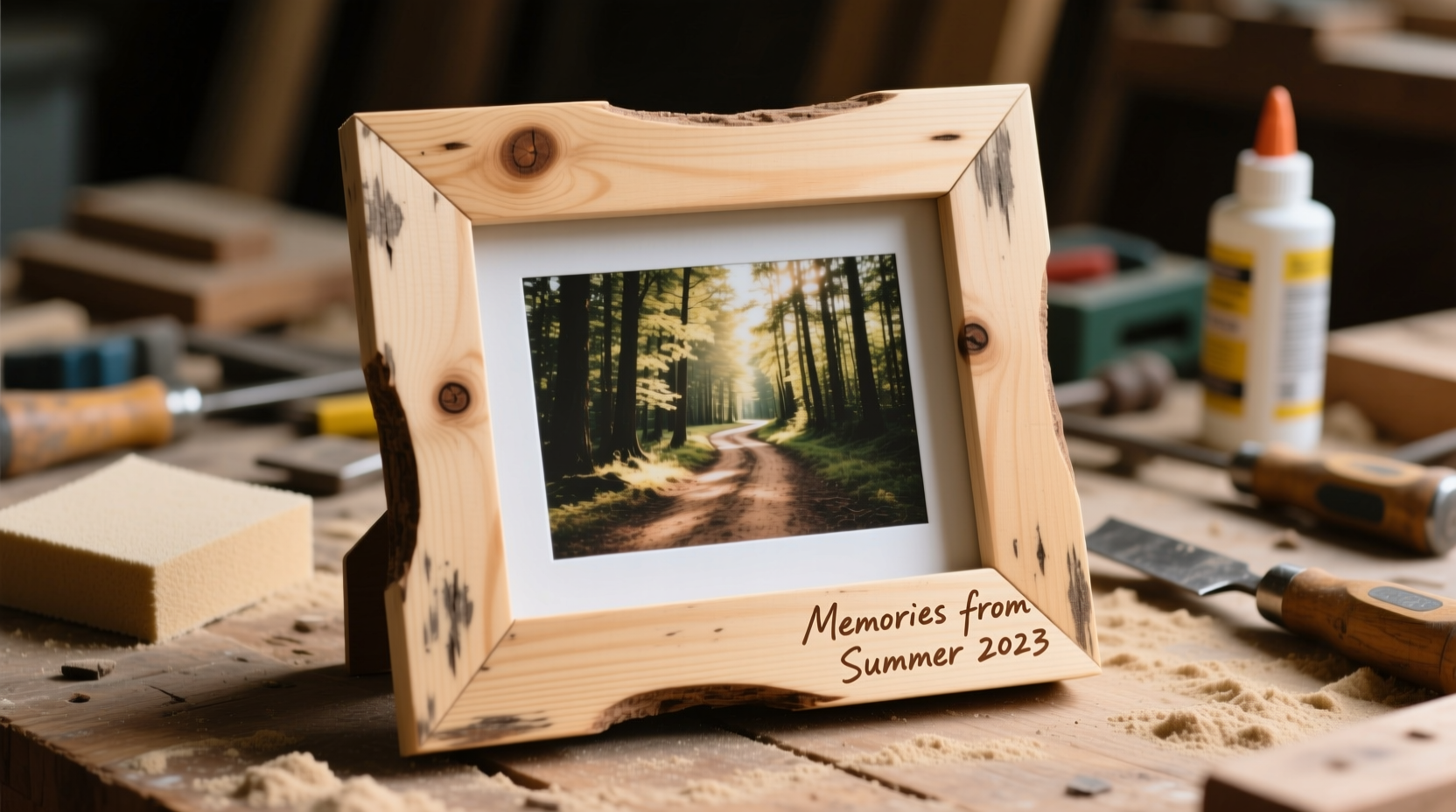
Transform ordinary materials into custom photo frames in under 60 minutes using household items. This guide reveals beginner-friendly techniques to create personalized, eco-conscious frames that cost 90% less than store-bought versions—no special tools required.
Why Craft Your Own Photo Frame?
Store-bought frames often lack personality and sustainability. Creating your own easy DIY photo frame for beginners solves three key problems:
- Cost savings: Spend $0-$5 instead of $20-$50 per frame
- Eco-impact: Repurpose materials that would otherwise end up in landfills
- Personalization: Match frames perfectly to your photo's mood and decor
Essential Materials Checklist
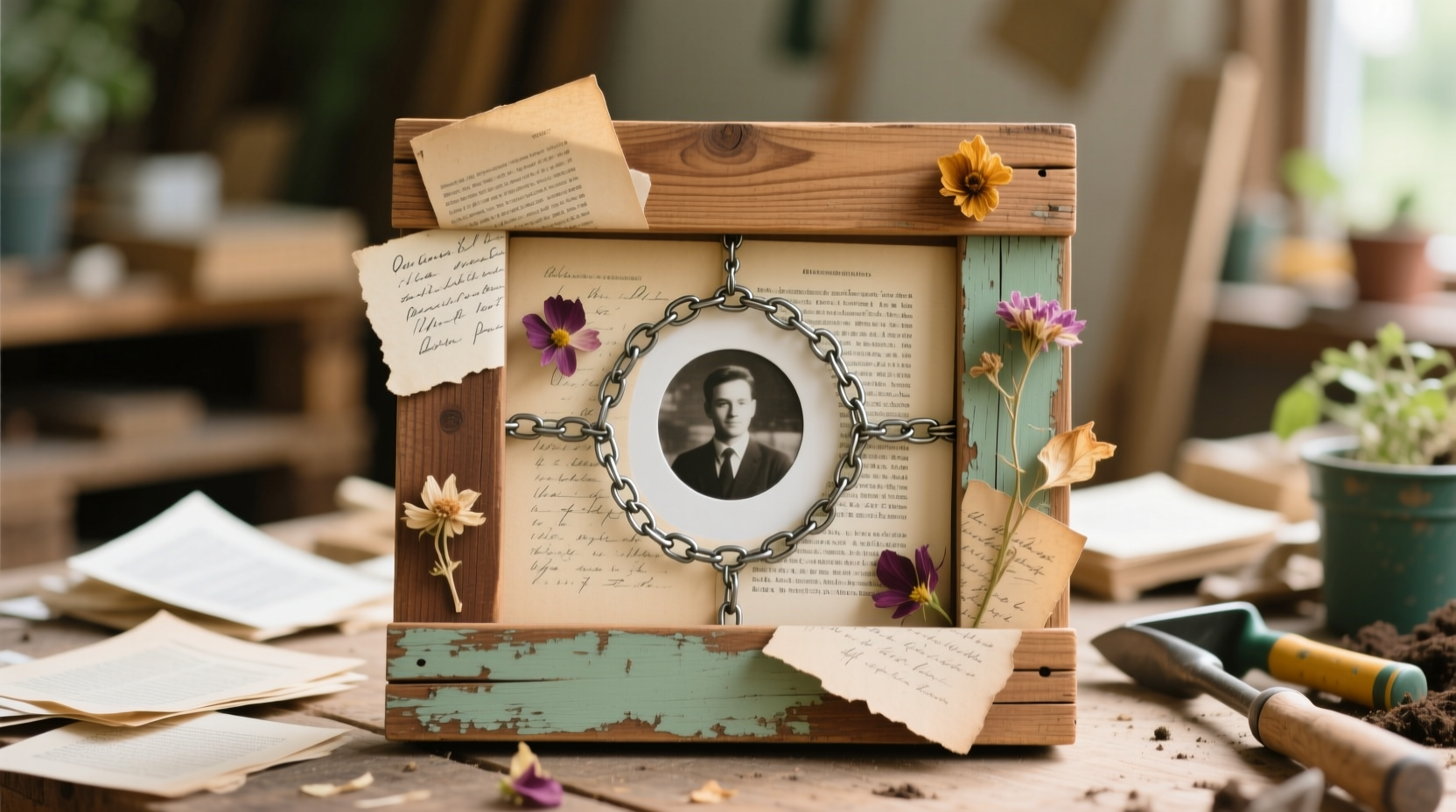
You likely have these common household items ready to go. For how to make a photo frame with recycled materials, gather:
| Material Type | Beginner Options | Advanced Upgrades |
|---|---|---|
| Base Structure | Cardboard, cereal boxes | Reclaimed wood, driftwood |
| Surface Covering | Fabric scraps, magazine pages | Textile remnants, pressed leaves |
| Adhesives | White glue, double-sided tape | Wood glue, eco-resin |
Step-by-Step Construction Guide
Follow this custom photo frame tutorial step by step for professional results:
Phase 1: Precision Planning
- Measure your photo's exact dimensions (add 1/4" border for matting)
- Sketch frame width (1.5"-3" works best for beginners)
- Calculate material needs using our simple formula
Phase 2: Eco-Conscious Assembly
Pro Tip: For affordable DIY photo frame ideas, sandwich cardboard layers with fabric between them. This creates structural rigidity while hiding imperfections.
- Cut base material with utility knife (use metal ruler for straight edges)
- Apply surface covering with even glue layer (remove bubbles with credit card)
- Create photo well using cardboard spacer (critical for professional finish)

Creative Variations for Every Skill Level
Move beyond basic rectangles with these sustainable approaches:
Nature-Infused Frames
Press leaves/flowers between contact paper and cardboard. Ideal for easy DIY photo frame for beginners using backyard finds. Seal with non-toxic Mod Podge.
Textile-Wrapped Design
Wrap base with fabric scraps using "quilt-as-you-go" technique. Solves common problem of uneven tension in fabric-covered frames.
Upcycled Wood Masterpiece
Use broken furniture parts or pallet wood. Sand edges smooth, then apply beeswax finish for food-safe protection.
Pro Finish Techniques
Avoid these beginner pitfalls that ruin otherwise good frames:
- Mistake: Skipping the spacer layer → Photo touches glass causing condensation Solution: Cut cardboard spacer 1/8" smaller than frame opening
- Mistake: Using hot glue → Visible strings and warping Solution: Apply white glue with toothpick for precision
- Mistake: Ignoring humidity → Warped cardboard frames Solution: Seal all layers with diluted PVA glue (1:1 water ratio)
Display Like a Professional
Maximize your creation's impact with these curator-approved methods:
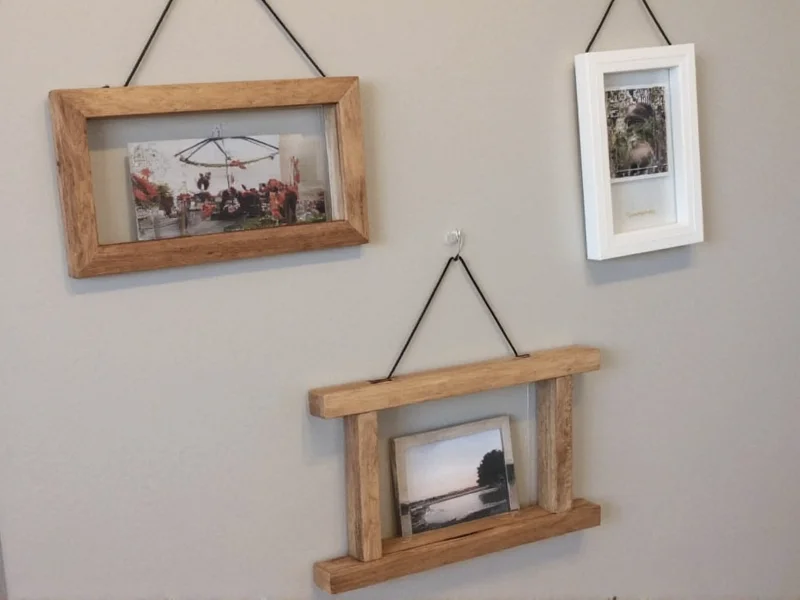
- Group 3-5 frames in asymmetrical arrangement (measure spacing with painter's tape first)
- Use acid-free backing to prevent photo yellowing over time
- For wall mounting, apply museum putty instead of nails to avoid damage
Frequently Asked Questions
How do I prevent cardboard frames from warping?
Seal all layers with diluted PVA glue (1 part water to 1 part glue) before assembly. Allow 24 hours drying time under heavy books to maintain flatness.
Can I make a frame for oversized photos without special tools?
Yes! Use corrugated cardboard strips layered like plywood. Cut identical pieces for front/back, then sandwich with crisscrossed strips in between for rigidity.
What's the most durable eco-friendly adhesive?
Rice paste (1 part rice flour to 3 parts water, cooked to pudding consistency) creates archival-quality bonds stronger than commercial glue. Used in traditional Japanese frame restoration.
How do I clean my DIY frame without damaging it?
For dust: Soft brush only. For smudges: Dampen cotton swab with distilled water, then immediately dry with microfiber cloth. Never spray liquids directly.





 浙公网安备
33010002000092号
浙公网安备
33010002000092号 浙B2-20120091-4