
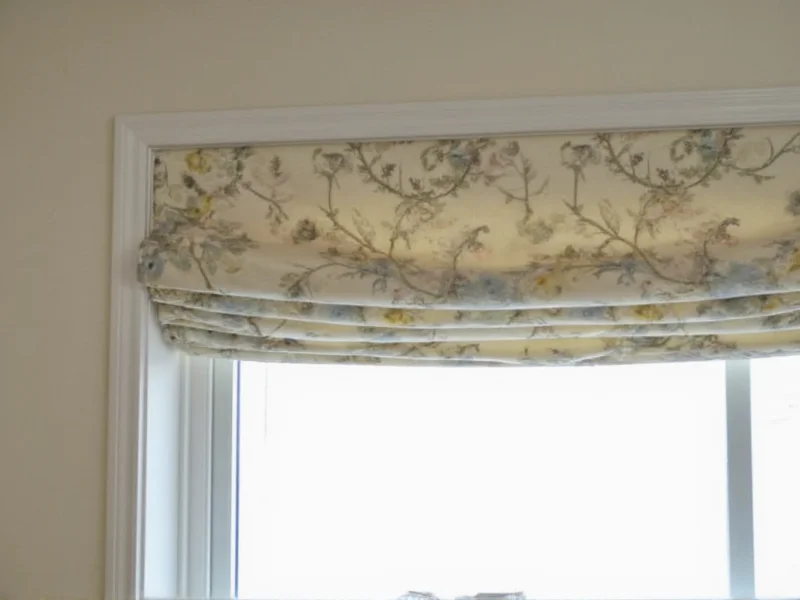
You can create custom Roman blinds for 50-70% less than store-bought versions using basic sewing skills and $30-$60 in materials. This guide delivers precise measurements, foolproof folding techniques, and child-safe cord solutions for professional results.
Why DIY Roman Blinds Beat Store-Bought Options
Ready-made Roman blinds cost $150-$400 per window at home stores. With DIY, you control every detail while saving significantly. Here's what makes handmade blinds superior:
| Factor | DIY Roman Blinds | Store-Bought |
|---|---|---|
| Cost per standard window | $35-$65 | $180-$350 |
| Customization options | Unlimited fabrics, linings, fold styles | Pre-set designs only |
| Installation time | 4-6 hours (after prep) | 1-2 hours |
| Child safety compliance | Build cordless mechanisms | Often require retrofit kits |
Your Essential Material Checklist
Forget expensive specialty tools. These accessible items work for 95% of windows:
- Fabric: Medium-weight cotton or linen (2.5x window width)
- Lining: Blackout lining fabric (same dimensions as main fabric)
- Hardware: Wooden headrail (1" x 2"), 8-10 dowels (1/4" diameter), cord lock
- Tools: Sewing machine, measuring tape, iron, safety pins

Step-by-Step Construction Guide
Phase 1: Precision Measurements (Avoid Costly Mistakes)
Measure twice, cut once. Follow this sequence:
- Record exact window width (left to right of frame)
- Add 4" to width for seam allowances
- Measure height from top of frame to desired length
- Add 12" to height for hems and folds
- Calculate fold depth: Divide height by 3 (standard) or 4 (deluxe)
Phase 2: Sewing the Blind Body
Professional results come from these often-missed details:
- Iron all fabric before cutting to prevent shrinkage errors
- Sew main fabric and lining right-sides together (leave bottom open)
- Turn and press edges for clean 1" hems on all sides
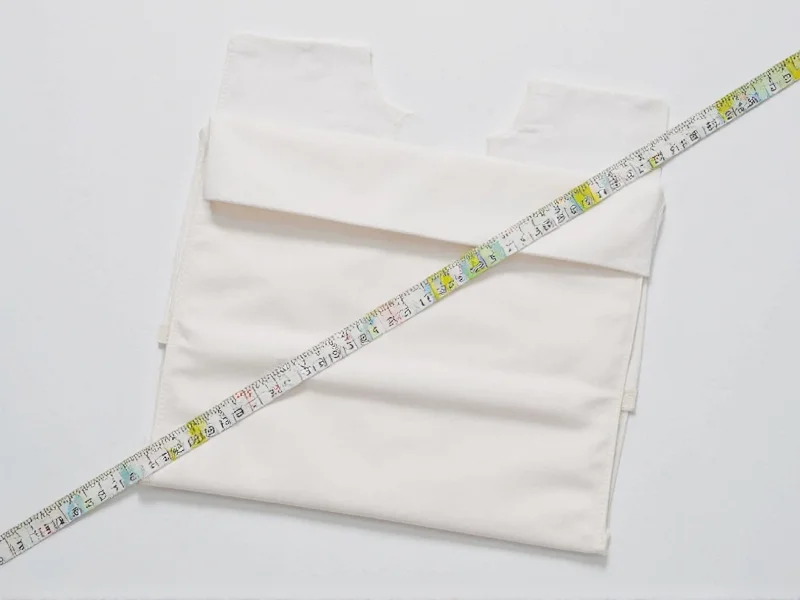
- Create fold pockets: Sew horizontal lines at calculated intervals
Phase 3: Hardware Installation & Safety
This is where most DIYers fail. Do it right:
- Insert dowels through fold pockets (not fabric)
- Attach lift cords to dowel ends with double knots
- Install headrail 2" above window frame for clearance
- Critical: Use cord cleats mounted high on wall (minimum 60" from floor)
Pro Troubleshooting Tips
Fix common issues before they ruin your project:
| Problem | Quick Fix | Prevention Tip |
|---|---|---|
| Uneven folds | Adjust dowel positions by 1/8" increments | Mark fold lines with chalk before sewing |
| Slanted blind | Re-level headrail using laser level | Check wall studs before mounting |
| Stiff fabric bunching | Steam fabric before final assembly | Pre-wash fabrics to remove sizing |
Advanced Customization Options
Once you've mastered basics, try these value-adding upgrades:
- Cordless operation: Install spring-loaded roller mechanism inside headrail
- Thermal lining: Add insulating foam layer between fabric and lining
- Pattern matching: Use continuous fabric roll for multi-window consistency

Frequently Asked Questions
Can I make Roman blinds without a sewing machine?
Yes. Use iron-on hem tape for edges and fabric glue for fold pockets. Reinforce stress points with hand-sewn whipstitches. This adds 1-2 hours but works for lightweight fabrics.
How do I childproof DIY Roman blinds?
Eliminate looped cords entirely. Install a spring-loaded roller mechanism inside the headrail that operates with a wand. If using cords, mount cleats at least 60 inches high and use cord shorteners to keep slack out of reach.
What's the easiest fabric for beginners?
Medium-weight cotton canvas or decorator linen. Avoid slippery fabrics like silk or stretchy knits. Pre-wash all fabrics to prevent post-installation shrinkage that causes puckering.
How long does the entire project take?
Allow 3-4 hours for your first blind: 45 minutes measuring/prep, 2 hours sewing, 45 minutes hardware installation. Subsequent blinds take 2-2.5 hours once you've mastered the folding technique.





 浙公网安备
33010002000092号
浙公网安备
33010002000092号 浙B2-20120091-4