
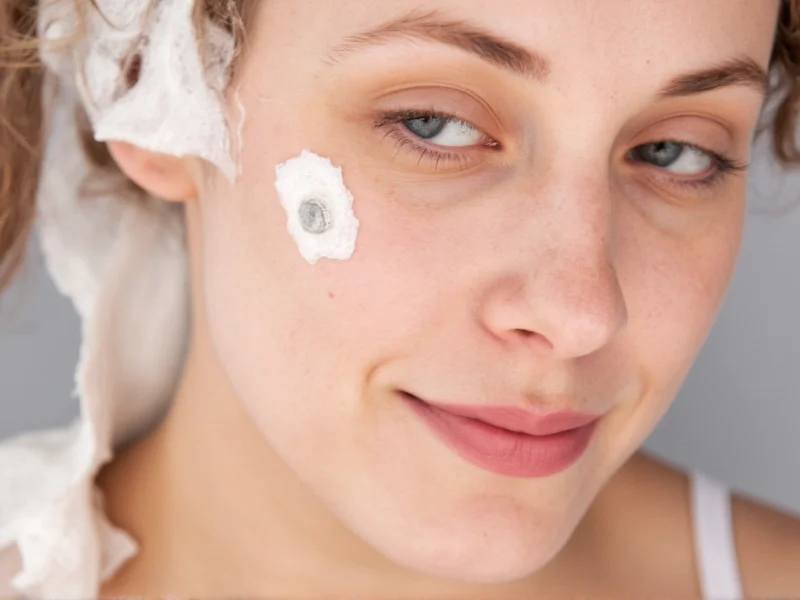
When you're staring at a stubborn pimple before an important event, the idea of whipping up a homemade pimple patch alternative seems appealing. But before reaching for kitchen staples, understand this critical truth: no DIY solution matches the safety and efficacy of FDA-cleared hydrocolloid patches. Let's explore what actually works for minor blemishes while prioritizing skin safety.
Why Commercial Pimple Patches Work (And DIY Can't Fully Replicate Them)
Medical hydrocolloid patches create a moist healing environment that:
- Absorbs excess fluid and pus through osmotic action
- Forms a protective barrier against bacteria and picking
- Accelerates healing by maintaining optimal moisture
DIY versions lack the sterile, engineered polymer matrix that makes commercial patches effective. Attempting to make a pimple patch at home introduces significant risks:
| DIY Method | Major Risks | When It Might Work |
|---|---|---|
| Honey + Bandage | Bacterial contamination, stickiness, inconsistent absorption | Very minor whitehead (24-hour emergency use only) |
| Aloe Vera Gel + Gauze | Irritation from additives, poor adhesion | Post-extraction spot (if no open wound) |
| Toothpaste "Patch" | Severe irritation, chemical burns, worsened inflammation | Never recommended |
Safe DIY Alternative for Minor Surface Pimples (With Strict Limits)
Only attempt this for small, non-inflamed whiteheads with no surrounding redness:
- Sanitize everything: Wash hands, clean skin with alcohol-free toner, use sterile cotton swab
- Apply medical-grade honey (Manuka UMF 10+): Dot tiny amount (grain-of-rice size) directly on pimple
- Cover with breathable bandage: Use non-stick sterile pad (cut to 1cm square) secured with medical tape
- Wear max 4 hours: Remove immediately if stinging occurs
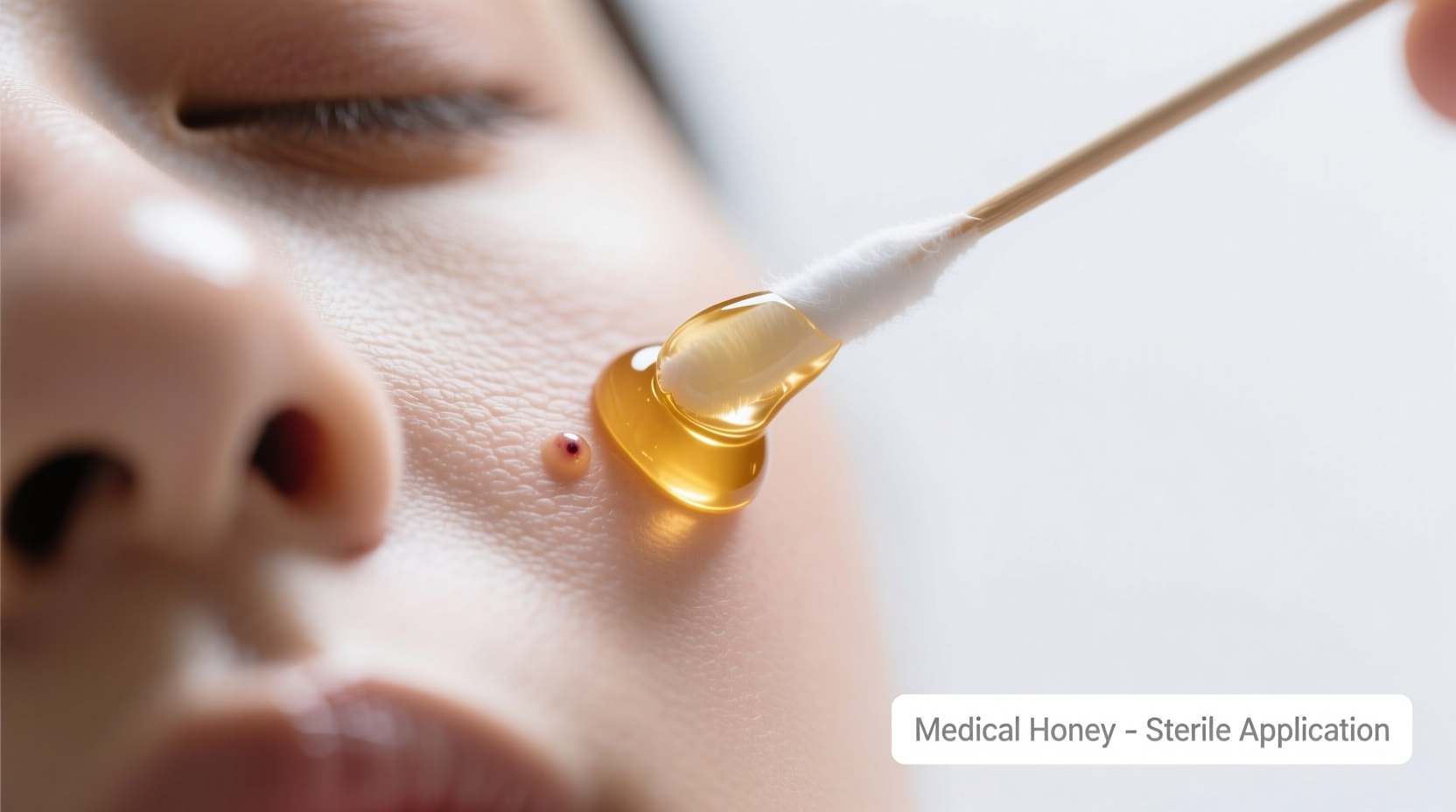
This natural pimple patch alternative leverages honey's mild antibacterial properties temporarily. But remember: honey lacks hydrocolloid's fluid-absorbing polymers. It won't flatten pimples or prevent scarring like medical patches. Never use raw supermarket honey—it may contain spores.
When DIY Becomes Dangerous: Critical Warning Signs
Immediately stop any homemade acne treatment if you notice:
- Increased redness or swelling after 1 hour
- Pulsing pain or warmth around the spot
- Yellow crust forming (sign of infection)
- Pimple size exceeding 3mm diameter
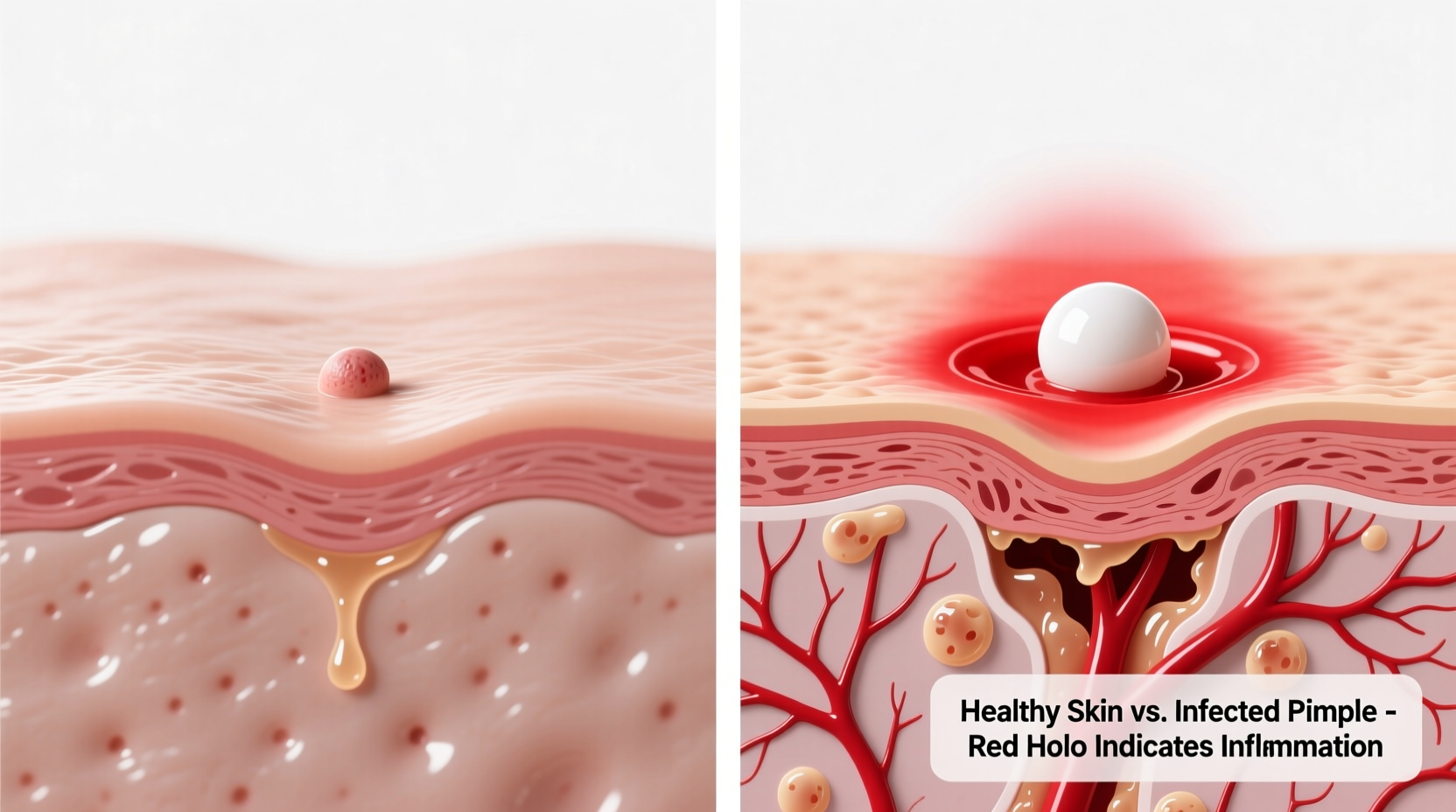
These indicate your DIY pimple patch attempt has compromised your skin barrier. Apply over-the-counter hydrocortisone 1% cream and see a dermatologist within 24 hours. Cystic acne requires prescription treatments—no kitchen remedy fixes deep inflammation.
Better Alternatives to DIY Pimple Patches
For actual results, consider these science-backed options:
Overnight Emergency Fix
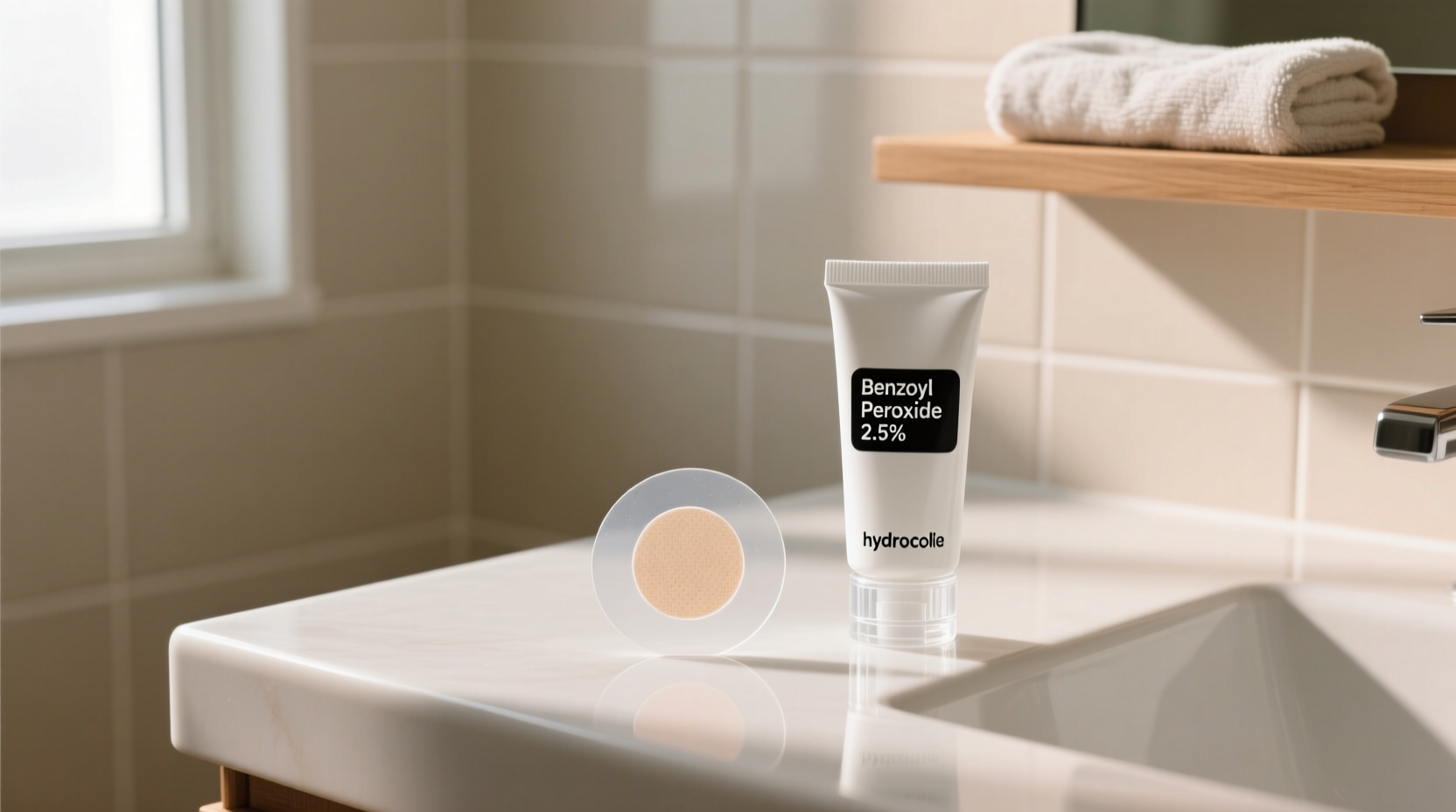
Clean skin → Apply 2.5% benzoyl peroxide spot treatment → Cover with commercial hydrocolloid patch (like CVS Beauty or Hero Cosmetics). The patch seals active ingredients while absorbing fluid.
Prevention Strategy
Use oil-free moisturizer with niacinamide daily. This regulates sebum production better than any homemade pimple patch recipe, reducing future breakouts by 44% according to Journal of Cosmetic Dermatology studies.
When to See a Professional (Not Try DIY)
Consult a dermatologist immediately for:
- Pimples larger than a pencil eraser
- Clusters of painful bumps
- Any pimple lasting over 2 weeks
- History of acne scarring
Board-certified dermatologists can provide cortisone injections that flatten cysts in 24 hours—something no DIY acne treatment can achieve. Prescription retinoids also prevent recurrence far more effectively than kitchen experiments.
FAQ: DIY Pimple Patch Realities
Can I use toothpaste as a pimple patch?
No. Toothpaste contains sodium lauryl sulfate and mint oils that cause chemical burns, worsening inflammation. Dermatologists consistently warn against this homemade pimple patch alternative due to high irritation risks.
Does honey really work like hydrocolloid patches?
No. While medical-grade honey has mild antibacterial properties, it lacks hydrocolloid's fluid-absorbing polymers. It won't flatten pimples or prevent scarring. At best, it offers temporary surface protection for minor whiteheads—but carries contamination risks.
How long can I safely wear a DIY pimple patch?
Maximum 4 hours for minor surface pimples only. Prolonged wear traps bacteria and moisture, creating ideal conditions for infection. Commercial hydrocolloid patches are engineered for 6-12 hour wear; DIY versions lack this safety profile.
What's the safest natural pimple treatment?
Over-the-counter 2.5% benzoyl peroxide is clinically proven safest for home use. Apply a pea-sized amount directly to clean skin—no covering needed. It kills acne bacteria without the infection risks of homemade pimple patch alternatives.





 浙公网安备
33010002000092号
浙公网安备
33010002000092号 浙B2-20120091-4