
Building a successful craft company requires strategic niche selection, sustainable material sourcing, authentic storytelling, and diversified revenue streams beyond Etsy. Avoid common pitfalls like undervaluing labor or ignoring legal requirements to create a profitable, purpose-driven business that stands out in 2024's competitive handmade market.
What Truly Defines a Modern Craft Company?
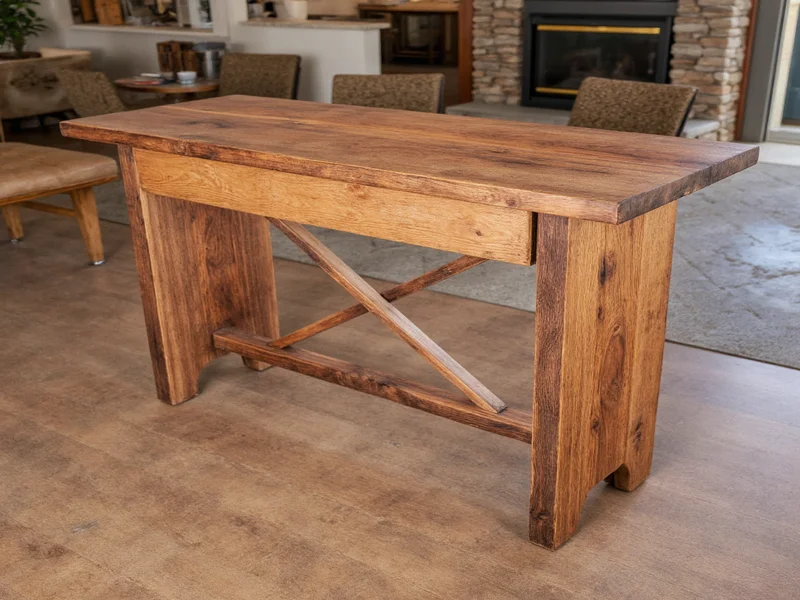
Forget the outdated "hobby turned business" stereotype. Today's thriving craft companies operate with intentional business models centered on three pillars: ethical material sourcing, community-driven storytelling, and multi-channel revenue streams. Consider how reclaimed wood furniture artisans now partner with urban demolition crews for materials, or how textile artists document their zero-waste process through Instagram Reels that double as marketing.
Key differentiators separating profitable craft businesses from hobbyists:
- Business registration (LLC or sole proprietorship) with proper insurance
- Documented material sourcing ethics (recycled content percentages, supplier transparency)
- Revenue beyond direct sales (workshops, digital patterns, wholesale partnerships)
- Defined production capacity limits to maintain quality
Your Craft Niche: Beyond "I Make Pretty Things"
Generic craft businesses drown in marketplace saturation. Successful founders identify intersectional niches where passion meets unmet demand. Notice how "biodegradable party decor for neurodiverse children" combines sustainability, inclusivity, and event planning – creating a defensible market position.
| Niche Approach | Risk Level | Profit Potential | Entry Barrier |
|---|---|---|---|
| General handmade jewelry | High | Low | None |
| Adaptive jewelry for arthritis sufferers | Medium | High | Moderate |
| Modular jewelry with medical alert function | Low | Very High | High |
Conduct this niche validation test before investing: Can you name 3 specific customer pain points your craft solves? If not, refine your focus. "Eco-friendly" alone isn't enough – specify how your process reduces water waste by 70% compared to conventional methods.
Sustainable Sourcing: Your Competitive Advantage
Modern craft consumers demand transparency. Top-performing companies treat material sourcing as core branding:
- Reclaimed material tracking: Document wood origins with GPS coordinates of salvage sites
- Waste stream partnerships: Collaborate with breweries for spent grain in ceramic glazes
- Seasonal production cycles: Align with natural material availability (e.g., fallen branches in autumn)
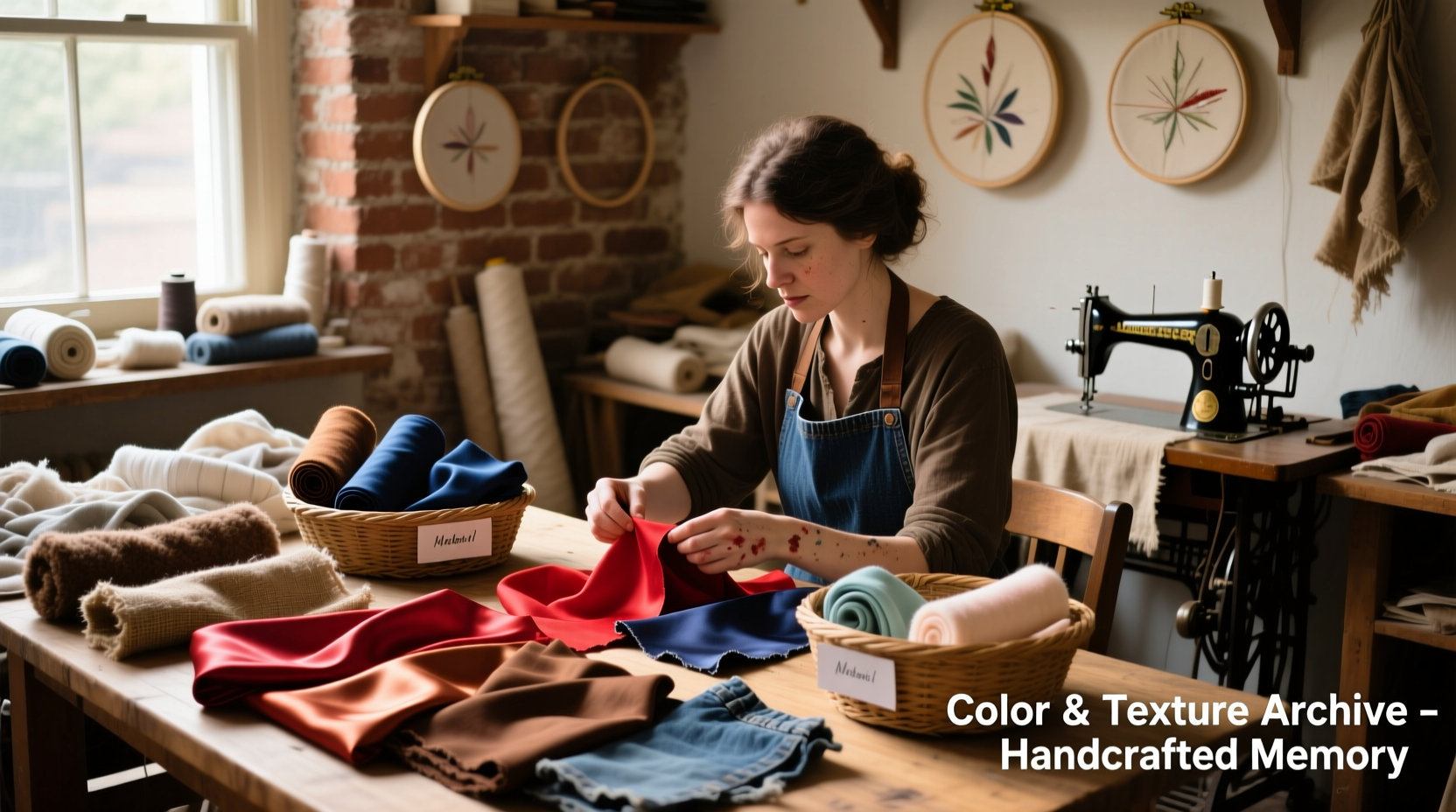
Avoid "greenwashing" traps. Instead of vague "eco-friendly" claims, state: "Our yarn contains 87% post-consumer cotton scraps diverted from landfills." This specificity builds trust and justifies premium pricing.
Pricing That Values Your Craft (and Yourself)
Underpricing remains the #1 reason craft businesses fail. Move beyond the "materials + hourly wage" formula with this triple-value pricing framework:
Value-Based Pricing Components
- Functional value: Durability, utility, craftsmanship
- Emotional value: Storytelling, cultural significance, personal connection
- Social value: Environmental impact, community support, ethical production
Example: A $120 ceramic mug isn't priced for clay and labor alone – it includes water saved through closed-loop production, support for local potters, and heirloom quality.
Implement tiered offerings: Basic product (covers costs), Signature line (30% profit margin), and Limited editions (50%+ margin). This attracts diverse customers while protecting your core business.
Marketing That Builds Real Community
Forget viral TikTok trends. Sustainable craft companies cultivate micro-communities through:
- Process transparency: Time-lapse videos showing material transformation
- Collaborative creation: Customer-submitted fabric scraps in custom orders
- Local impact tracking: "This quarter's sales funded 200 lbs of river cleanup"
Partner with complementary businesses for non-transactional engagement. A candle maker might host free scent-blending workshops at a local bookstore, building relationships without immediate sales pressure.
Avoiding Critical Startup Pitfalls
Based on industry data from 2024 Craft Business Survey:
- Production overcommitment: 68% of failed craft businesses took orders beyond their capacity. Set clear production limits.
- Legal oversights: 41% lacked proper business structure. Form an LLC before your first sale.
- Platform dependency: Relying solely on Etsy leaves you vulnerable to algorithm changes. Own your customer list.

Implement these safeguards immediately:
- Get product liability insurance (starts at $30/month)
- Create a production calendar with 20% buffer time
- Build email list from day one with workshop sign-ups
Measuring Beyond Sales: True Craft Business Health
Profitability alone misrepresents craft business success. Track these purpose metrics:
- Material diversion rate: Pounds of waste diverted from landfills
- Community engagement score: Workshop participation + social interactions
- Production integrity: % of items meeting quality standards on first attempt
When these metrics improve, sales follow organically. A pottery studio tracking material diversion saw 37% higher customer retention when sharing their monthly impact reports.
FAQ: Craft Company Essentials
How much capital do I need to start a craft business?
Most sustainable craft businesses launch with $500-$2,000. Focus initial funds on business registration, essential tools, and small test batches. Avoid expensive equipment until validating demand through local markets or pop-up shops.
Can I run a craft company from home legally?
Yes, but check local zoning laws and homeowners' association rules. Most jurisdictions require a home occupation permit ($25-$100). Crucially, separate business finances with a dedicated bank account to maintain liability protection.
How do I handle seasonal demand fluctuations?
Diversify revenue streams: Offer off-season workshops, create digital products (patterns/tutorials), or develop complementary non-seasonal items. A holiday ornament maker might sell year-round jewelry using the same metalworking skills.
What's the biggest pricing mistake crafters make?
Undervaluing emotional/social value. Customers pay premiums for stories and impact – explicitly communicate how their purchase supports environmental initiatives or preserves cultural techniques. This justifies 20-30% higher pricing than functional value alone.





 浙公网安备
33010002000092号
浙公网安备
33010002000092号 浙B2-20120091-4