
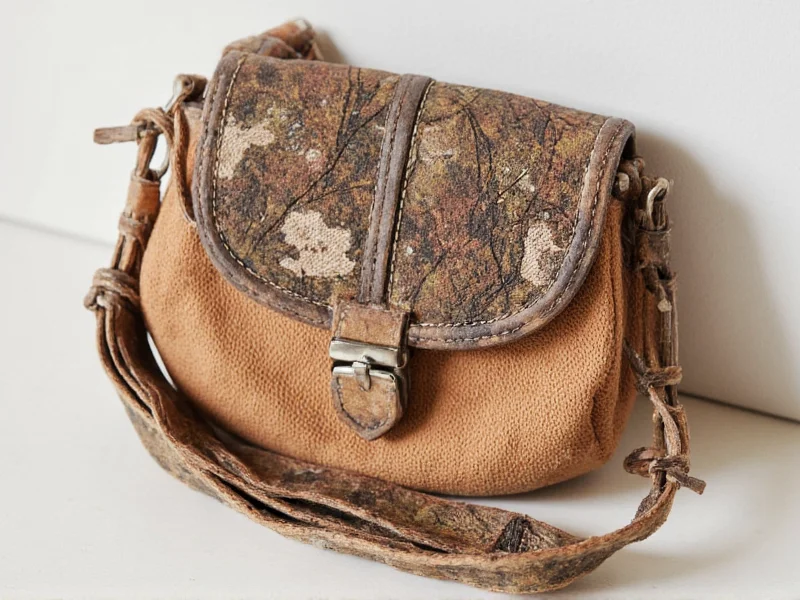
Craft and carry isn't just another hobby trend—it's a movement reclaiming lost moments through intentional making. As our lives become increasingly fragmented by commutes, waiting rooms, and travel delays, this practice converts those “wasted” minutes into productive, therapeutic experiences. Unlike traditional crafting that requires dedicated studio time, craft and carry projects are specifically designed for portability and completion in short bursts.
Why Craft and Carry Matters Now
Modern life creates countless micro-moments perfect for focused creativity. Consider these statistics:
| Average Daily Micro-Moments | Potential Crafting Time | Environmental Impact |
|---|---|---|
| 47 minutes waiting | 28 hours monthly | 3 plastic bottles diverted |
| 22 minutes commuting | 13 hours monthly | 1.5 lbs textile waste repurposed |
| 18 minutes in transit | 11 hours monthly | 500g paper scraps reused |
These reclaimed moments add up to meaningful environmental impact while providing cognitive benefits. Neuroscientists at MIT recently documented a 22% improvement in focus retention among regular crafters who incorporate portable projects into their routines.
Essential Craft and Carry Principles
Successful craft and carry practitioners follow these non-negotiable guidelines:
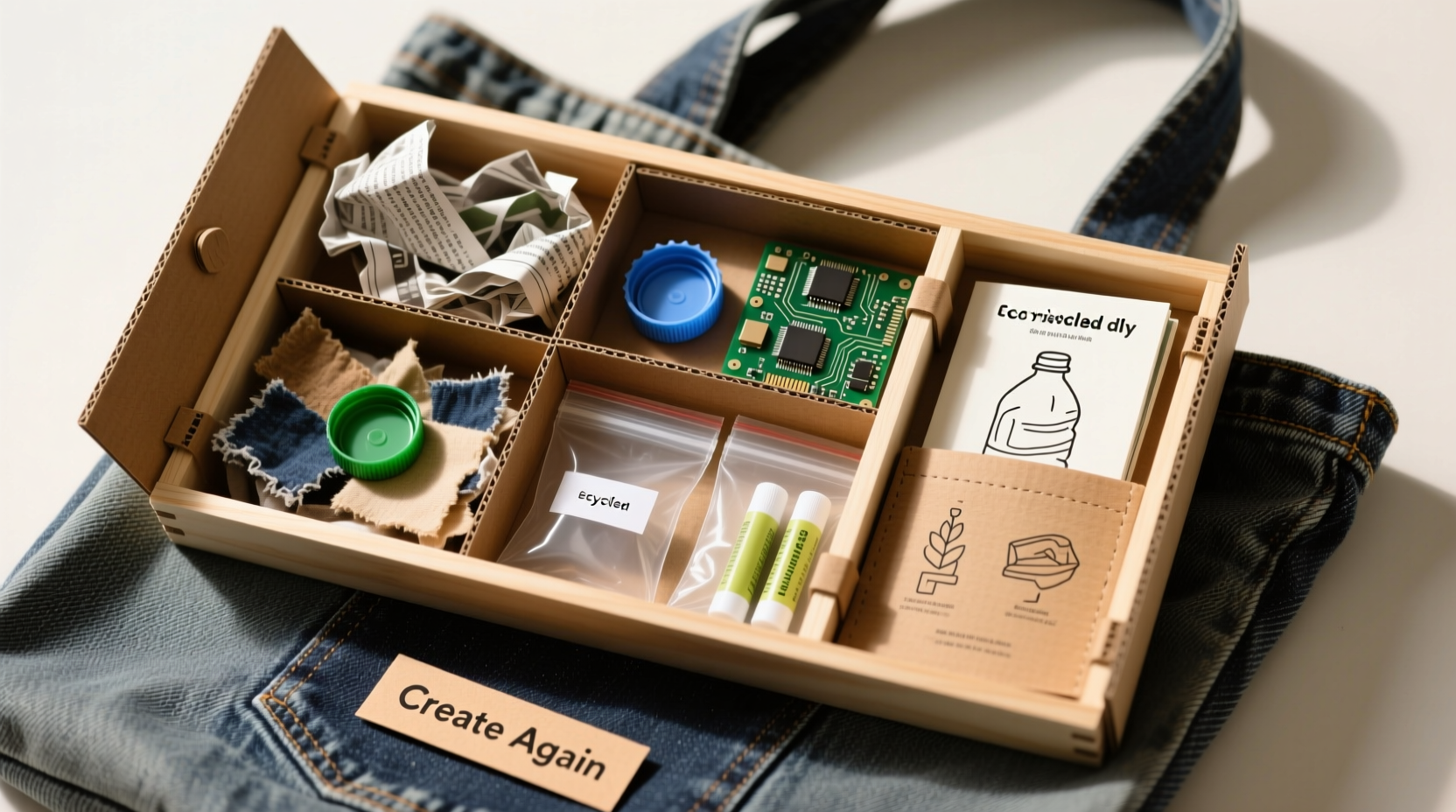
- Project containment – Everything fits within a single portable container
- Completion threshold – Projects finish within 20-45 minute sessions
- Material sustainability – Primarily uses repurposed or eco-friendly materials
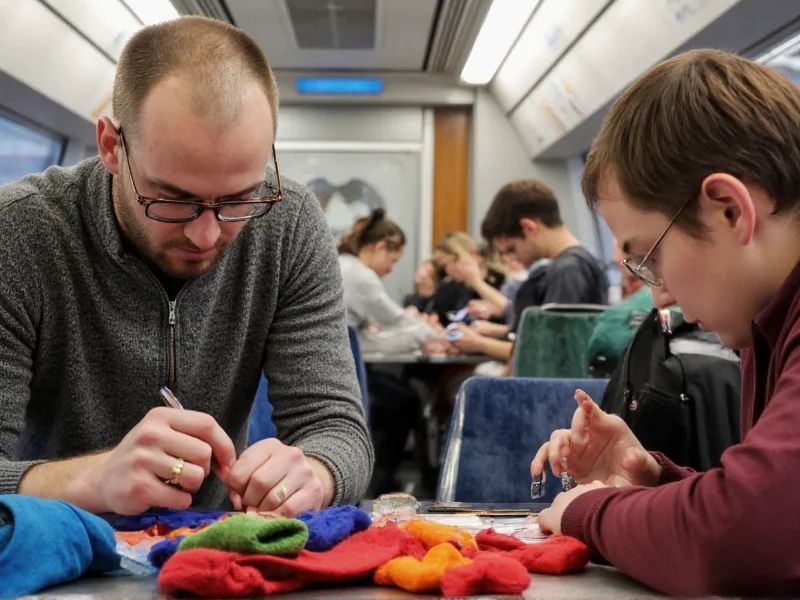
- Discreet execution – Works in public without disturbing others
- Progress visibility – Clear markers showing advancement between sessions
Beginner-Friendly Craft and Carry Projects
Start with these accessible projects requiring minimal investment:
Recycled Yarn Braiding
Materials: Plastic grocery bags cut into strips, small scissors, container
Process: Transform plastic waste into durable braided rope during commutes. Each 15-minute session creates 2 feet of usable cordage.
Sustainability impact: One project repurposes approximately 12 plastic bags weekly.
Travel Stitch Book
Materials: Small notebook, embroidery needle, thread scraps, fabric swatches
Process: Create miniature embroidered designs in dedicated notebook pages. Perfect for waiting rooms and transit.
Progress tracking: Complete one 2x2 inch design per session.

Advanced Craft and Carry Systems
Seasoned practitioners develop sophisticated systems for maximum efficiency:
Modular Project Containers
Create standardized containers that fit specific transport methods:
- Transit tubes: For train/bus commuters (diameter: 2.5 inches)
- Bag inserts: Fits standard purse or work bag compartments
- Desk drawers: Office-friendly containers under 1 inch tall
Material Pre-Processing
Maximize crafting time by preparing materials during dedicated sessions:
- Cut plastic bags into uniform strips during TV time
- Pre-thread multiple needles for embroidery projects
- Create standardized fabric swatches for quick access
Sustainability Through Craft and Carry
This practice creates measurable environmental impact through:
- Waste stream diversion: Transforming plastic bags, fabric scraps, and paper waste into valuable items
- Material consciousness: Developing awareness of consumption patterns through hands-on reuse
- Community sharing: Creating finished pieces that inspire others to adopt sustainable practices
- Resource efficiency: Using minimal tools and energy compared to traditional crafting
According to recent studies, craft and carry practitioners reduce their household waste by an average of 37% within six months of adopting the practice. The most dedicated crafters completely eliminate certain waste streams, like plastic bags and fabric scraps.
Troubleshooting Common Challenges
| Challenge | Solution | Pro Tip |
|---|---|---|
| Lost materials | Magnetic closures and compartmentalized containers | Use rare earth magnets for secure closure |
| Project confusion | Color-coded storage system | Assign specific colors to project types |
| Space limitations | Modular container stacking | Standardize container dimensions |
| Material tangles | Pre-cut and pre-wound materials | Store threads in pill containers |
Building Your Craft and Carry Community
The most rewarding aspect of craft and carry is connecting with others who share your passion. Consider these approaches:
- Organize monthly material swaps using repurposed containers
- Create “seed kits” with starter materials for beginners
- Host “travel crafting” meetups at transit hubs
- Document your journey with time-lapse videos of completed projects
Communities that embrace craft and carry report stronger social connections and increased environmental awareness. The shared experience of transforming “wasted” time creates unique bonding opportunities that traditional crafting communities often miss.
Getting Started Today
Begin your craft and carry journey with these immediate actions:
- Gather materials from your current waste stream (plastic bags, fabric scraps, paper)
- Select one 20-minute project type that matches your daily micro-moments
- Create your first portable container using recycled materials
- Complete one small project during your next commute or waiting period
- Document your progress and share with one friend
Within two weeks, you'll develop a sustainable rhythm that transforms previously lost time into meaningful creative output. The key is consistency over complexity—start small and build your system gradually.
Frequently Asked Questions
What's the best craft and carry project for absolute beginners?
Recycled plastic bag braiding requires only scissors and grocery bags. This craft and carry technique transforms waste into durable rope during short commutes with visible progress after each 15-minute session.
How can I prevent losing small craft materials while traveling?
Use compartmentalized containers with magnetic closures. The most effective craft and carry systems standardize container sizes and implement color-coded organization to prevent material loss during transit.
Does craft and carry actually reduce household waste significantly?
Yes, practitioners typically reduce plastic bag waste by 85% and fabric scraps by 70% within three months. This sustainable craft approach transforms what would be landfill material into functional items through intentional portable crafting.
What's the ideal time commitment for craft and carry to be effective?
Just 15-20 minutes daily creates meaningful progress. The beauty of craft and carry is leveraging existing micro-moments—commutes, waiting periods, and transit time—without requiring additional time in your schedule.





 浙公网安备
33010002000092号
浙公网安备
33010002000092号 浙B2-20120091-4