
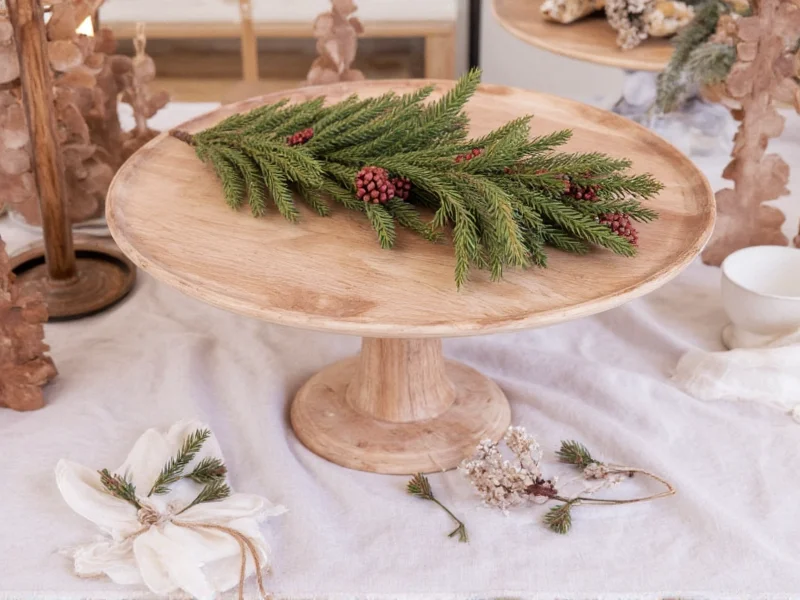
Why Pine Crafting Belongs in Your Sustainable Toolkit
Nature provides abundant crafting materials that require zero manufacturing footprint. Pine cones, needles, and fallen branches offer unique textures and organic shapes perfect for eco-conscious creators. Unlike store-bought supplies, these materials decompose naturally if unused, making pine crafting one of the most environmentally responsible art forms. I've spent 15 years developing techniques that honor the forest while creating meaningful objects.
| Material Type | Best Collection Season | Top 3 Craft Applications |
|---|---|---|
| Fully closed pine cones | Early autumn | Ornaments, bird feeders, fire starters |
| Open pine cones | Late autumn | Wreaths, centerpieces, sensory bins |
| Fresh pine needles | Year-round (avoid drought) | Rope, potpourri, natural dye |
| Small pine branches | After storms | Coat racks, picture frames, garden markers |
Your Essential Pine Crafting Toolkit
Start with these basic supplies before heading into the woods. Remember: never cut live branches—only collect fallen materials to maintain forest health.
Must-Have Starter Kit
- Heavy-duty gardening gloves (pine sap sticks!)
- Pruning shears with sap-resistant coating
- Natural fiber twine (jute or hemp)
- Beeswax for waterproofing
- Stiff-bristled brush for cleaning debris
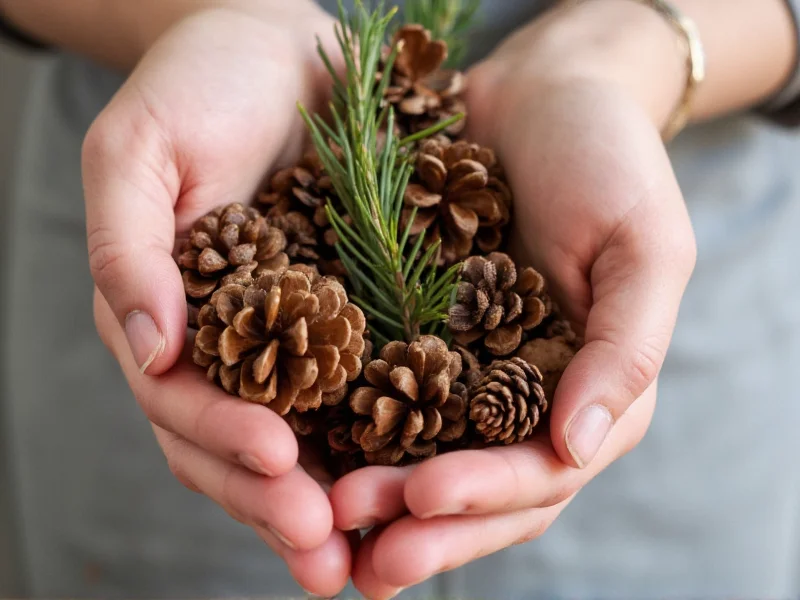
5 Transformative Pine Projects for Every Skill Level
Pine Needle Rope: The Zero-Waste Cordage
Difficulty: Beginner | Time: 20 minutes | Yield: 3-foot cord
This ancient technique turns fallen needles into durable rope without tools. Perfect for plant hangers or gift wrapping.
- Gather 3 equal-length bundles of dry pine needles
- Twist each bundle tightly clockwise
- Braid the three strands counterclockwise
- Seal ends with melted beeswax
Pro tip: Add lavender sprigs during braiding for aromatic rope. This sustainable pine needle craft tutorial prevents needle waste while creating functional art.
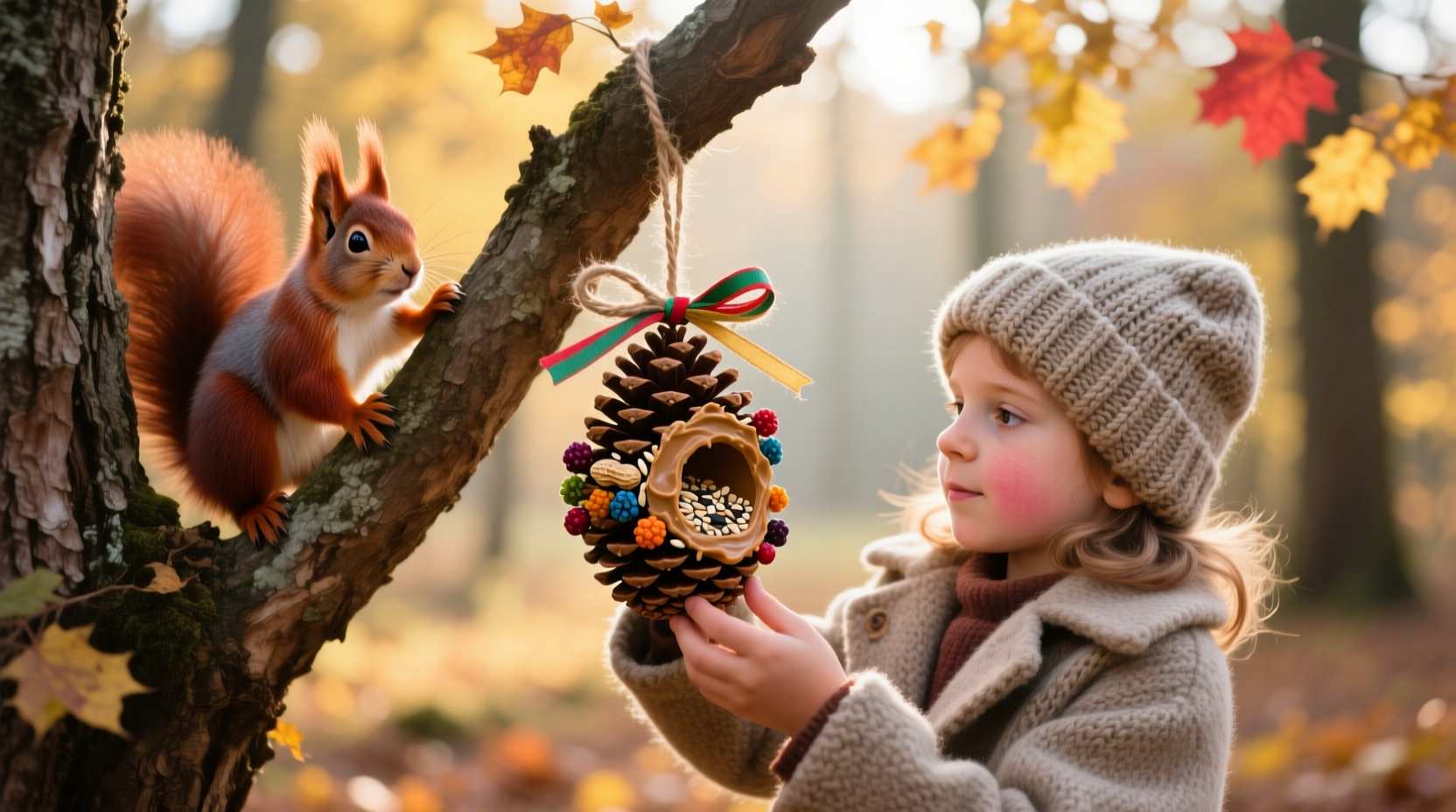
Pine Cone Bird Feeders: Winter Wildlife Support
Difficulty: Family-friendly | Time: 15 minutes
Unlike store-bought feeders, these biodegradable creations provide food and nesting materials. Use this ethical approach to attract birds with pine cone feeders.
- Mix 1 part peanut butter with 2 parts cornmeal (no honey—unsafe for birds)
- Roll pine cones in mixture
- Coat with black oil sunflower seeds
- Hang with natural twine away from predators
Pine Branch Wall Shelf: Functional Forest Art
Difficulty: Intermediate | Time: 2 hours
Transform storm-fallen branches into floating shelves. This reclaimed pine wood project requires only a saw and sandpaper.
Key Measurement Principle
Shelf depth = thickest branch diameter x 3. Example: 2" branch = 6" shelf depth. Ensures structural integrity without hardware.
Avoiding Common Pine Crafting Mistakes
Learn from my decade of forest studio experience:
- Mold prevention: Bake cones at 200°F for 30 minutes to kill insects and dry thoroughly
- Sap management: Rub lemon oil on tools immediately after use
- Eco-harvesting: Never take more than 10% of cones from any single area
- Needle storage: Keep in breathable cotton bags away from moisture
Seasonal Pine Crafting Calendar
Maximize material availability with this sustainable harvesting guide:
- Spring: Collect young pine needles for vibrant green dye
- Summer: Gather fallen branches after storms
- Autumn: Harvest closed cones before they open
- Winter: Use stored materials for indoor projects
Why Pine Crafting Matters Now
In our digital age, pine crafting offers something rare: tangible connection to natural cycles. Each project teaches forest stewardship while creating objects with soul. Unlike mass-produced decor, these pieces carry the story of their origin—wind patterns in the grain, animal interactions with cones, seasonal changes in needle color. This mindful pine craft approach transforms passive consumption into active environmental engagement. Start small with one pine cone project this week, and you'll join a growing movement of creators proving that the most sustainable materials are already at our feet.
Frequently Asked Questions
Can I use pine cones from my backyard without harming trees?
Yes, if you follow ethical harvesting: Only collect fallen cones, never more than 10% from any area, and avoid protected species like whitebark pine. Healthy forests produce abundant cones naturally—your crafting actually helps reduce fire fuel loads.
How do I prevent pine cones from closing after crafting?
Bake cones at 200°F for 30 minutes to set their shape permanently. For open cones, apply a light coat of diluted white glue inside the scales before baking. This preserves their decorative shape without toxic finishes.
Are pine needle crafts safe for children?
Yes with supervision. Avoid small needles with toddlers (choking hazard). For kids, focus on pine cone painting or large-needle weaving. Always wash hands after handling—some people develop mild skin sensitivity to pine resin.
What's the most sustainable way to finish pine wood crafts?
Beeswax and pine resin polish creates a food-safe, biodegradable finish. Melt 1 part pine resin with 4 parts beeswax, apply warm with cloth. This natural pine wood finish enhances grain while protecting against moisture without plastics.




 浙公网安备
33010002000092号
浙公网安备
33010002000092号 浙B2-20120091-4