
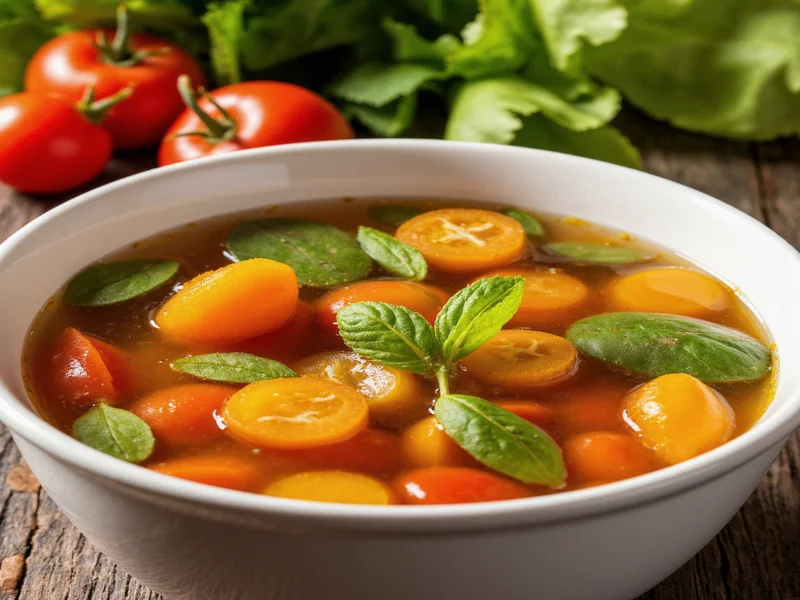
Make restaurant-quality vegetable stock at home with just kitchen scraps, 30 minutes of prep, and 1-2 hours of simmering. This zero-waste method yields richer flavor than store-bought versions, costs pennies per batch, and reduces food waste by 30%. The secret? Proper vegetable ratios, strategic roasting, and avoiding common flavor-killing mistakes most home cooks make.
Homemade vegetable stock transforms humble kitchen scraps into culinary gold. Unlike store-bought versions loaded with sodium and preservatives, your homemade version contains no additives while delivering deeper, more complex flavors. Whether you're a beginner cook or seasoned chef, this guide reveals professional techniques for creating crystal-clear, intensely flavorful stock every time—using ingredients you'd normally throw away.
Why Homemade Vegetable Stock Beats Store-Bought
Commercial vegetable stocks often contain hidden sodium (up to 800mg per cup), artificial flavors, and preservatives. When you make your own:
- Save 70% costs by using vegetable trimmings you'd discard
- Control sodium levels precisely for dietary needs
- Reduce food waste by repurposing peels and ends
- Customize flavors for specific dishes (Asian, Mediterranean, etc.)
The Vegetable Stock Formula: What Works and What Doesn't
Not all vegetables create great stock. Follow this professional chef's ratio for balanced flavor:
| Vegetable Category | Essential Ingredients | Avoid Completely |
|---|---|---|
| Flavor Base (60%) | Onion skins, carrot peels, celery ends | None |
| Aromatics (25%) | Garlic skins, leek tops, parsley stems | Artichokes, Brussels sprouts |
| Flavor Enhancers (15%) | Tomato paste, mushroom stems, bay leaves | Broccoli, cauliflower |
Pro Tip: Freeze vegetable scraps in labeled bags. Keep separate batches for light stocks (mirepoix only) and dark stocks (with tomato paste and mushrooms).
Step-by-Step Stock Making Process
Preparation Phase
- Collect scraps for 1-2 weeks in freezer bags (never refrigerate)
- Rinse thoroughly to remove dirt but retain nutrients in skins
- Chop uniformly - 1-inch pieces ensure even extraction
Cooking Methods Compared
Raw Simmer Method
Best for delicate flavors. Combine 1 gallon water with 2 lbs vegetables. Simmer 45-60 minutes. Yields lighter, clearer stock.
Roasted Stock Method
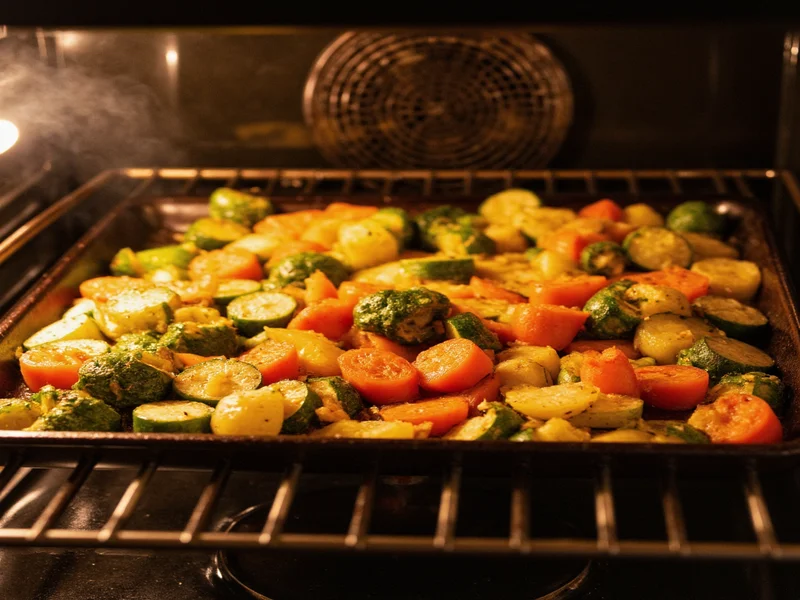
For richer flavor: Toss vegetables with 1 tbsp oil, roast at 400°F for 30 minutes before adding water. Simmer 1.5 hours. Creates deeper umami notes.
Critical Simmering Techniques
- Maintain gentle simmer (180-200°F) - boiling makes stock cloudy
- Never stir once simmering begins to prevent bitterness
- Add acid component (1 tbsp vinegar) in last 15 minutes to extract minerals
- Skim foam during first 10 minutes for crystal-clear results
Troubleshooting Common Stock Problems
Weak Flavor
Solution: Reduce stock by simmering uncovered 20 minutes. Add 1 tsp nutritional yeast for instant umami boost.
Bitter Taste
Solution: You likely included too many green parts. Next time, use only white celery ends. For current batch, add 1 tsp sugar to neutralize.
Cloudy Appearance
Solution: Strain through cheesecloth. Avoid boiling during simmering phase.
Storage and Creative Uses
Properly stored stock lasts:
- Refrigerator: 5 days in airtight container
- Freezer: 6 months (use ice cube trays for portioning)
Go beyond soup with these professional chef techniques:
- Cook grains in stock instead of water
- Use as braising liquid for proteins
- Make risotto with frozen stock cubes
- Create instant pan sauces by reducing stock by half

Seasonal Stock Variations
Adjust your stock based on available produce:
- Spring: Add pea pods and asparagus tips
- Summer: Incorporate corn cobs and tomato trimmings
- Fall: Use pumpkin and squash scraps
- Winter: Add parsnip and turnip ends
Can I use potato peels in vegetable stock?
Yes, but limit to 10% of your vegetable mix. Too many potato peels make stock cloudy and starchy. Always include the skins for maximum nutrients.
How do I fix overly salty vegetable stock?
Add equal parts unsalted stock or water. For small batches, include a peeled potato to absorb excess salt during the last 15 minutes of simmering.
What's the difference between stock and broth?
Stock uses vegetable scraps and bones for deeper flavor extraction, simmered longer. Broth contains actual meat pieces and cooks faster. Stock forms the base for sauces; broth stands alone as a beverage.
Can I make vegetable stock without onions?
Yes, but you'll lose essential sweetness. Substitute with 2 chopped fennel bulbs or 3 tbsp caramelized shallots. The key is maintaining the 60-25-15 vegetable ratio for balanced flavor.





 浙公网安备
33010002000092号
浙公网安备
33010002000092号 浙B2-20120091-4